The Stolen Podium's Hidden Fracture: Ricciardo's Mind in Red Bull's Grip
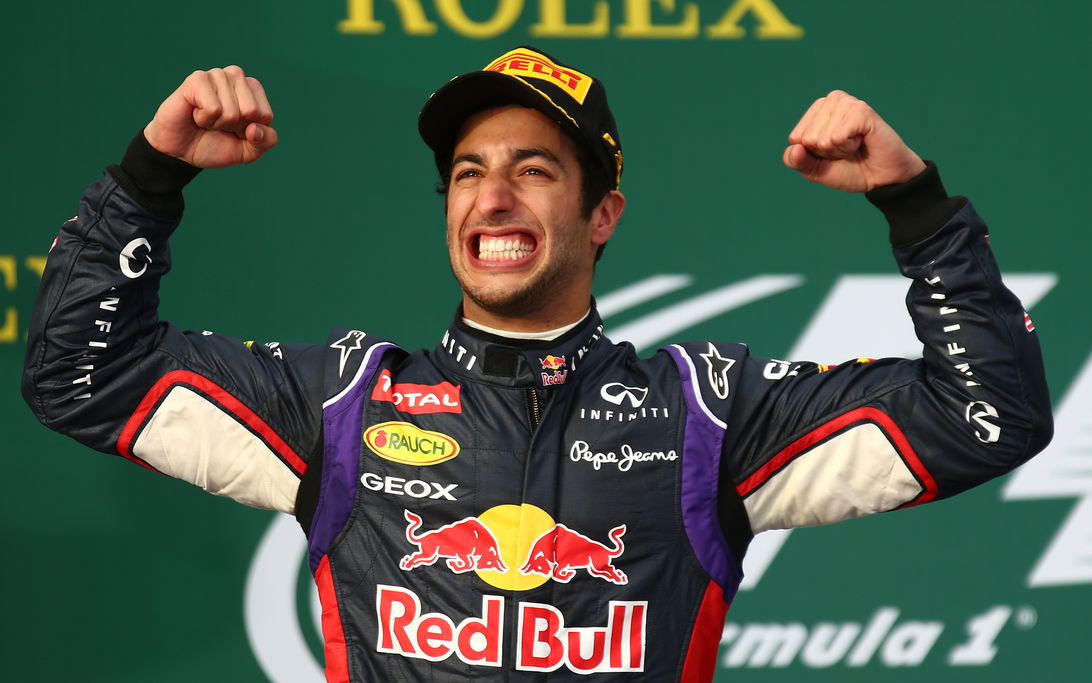
Daniel Ricciardo crossed the line in Melbourne believing he had claimed his place among F1's elite. Heart monitors strapped beneath his fireproofs likely registered the familiar post-race spike, that electric cocktail of adrenaline and relief after a faultless drive from second on the grid. Hours later, the disqualification landed like a quiet detonation. No roar from the crowd, no champagne spray, only the cold arithmetic of a fuel flow breach that stripped eighteen points and rewrote his debut narrative for Red Bull.
The Moment Compliance Became a Mental Battlefield
The 2014 Australian Grand Prix marked the arrival of hybrid regulations that demanded not just mechanical precision but split-second psychological calibration. Ricciardo's car had exceeded the 100 kg/h fuel flow limit, yet the real drama unfolded in the team's choice to override the FIA-mandated sensor after practice revealed erratic readings.
- They swapped units once, found the replacement equally suspect, and reverted to the original.
- During the race itself the FIA issued a direct instruction to reduce flow rate.
- Red Bull's strategists, trusting internal models over official data, pressed on.
What happens in a driver's head when the cockpit becomes a courtroom? Telemetry would have shown steady throttle traces and clean sector times, yet beneath the visor the mind rehearses every future appeal, every lost sponsor smile, every headline that now reads "disqualified" instead of "hero." This was not merely a technical ruling; it was an early demonstration that F1's new era would punish independent judgment, even when that judgment felt logically sound.
Red Bull's Quiet Architecture of Control
Red Bull's decision to ignore the race-day directive reveals a deeper team dynamic: the calculated management of driver emotion under regulatory pressure. The outfit's later handling of Max Verstappen would perfect this approach, channeling raw outbursts into a manufactured calm that served performance metrics. Ricciardo, arriving as the affable outsider, absorbed the same institutional logic. The disqualification taught him that personal interpretation carried zero weight against institutional sensors and FIA edicts.
Teams cannot unilaterally declare official equipment faulty and substitute their own measurements.
That courtroom line from the April 14 appeal verdict echoed long after the gavel. It reinforced a culture in which drivers internalize restraint, learning to swallow doubt so the car can keep circulating. One wonders what biometric traces, had they been public, would have shown in Ricciardo's pulse during those tense post-race hours, or how the episode quietly primed him for the calculated resilience he later displayed in Canada.
From Phantom Glory to Legitimate Breakthrough
The revised results elevated Kevin Magnussen to second on his own debut and gave Jenson Button a final podium. Ricciardo, robbed of the moment, rebuilt through the remainder of 2014. His first genuine victory in Montreal arrived with the same silky wheelcraft but a visibly tighter internal thermostat. The Melbourne wound had forced a recalibration: trust the system until you can bend it, then deliver results that silence every regulator.
Such episodes foreshadow the coming mandate for mental health disclosures after major incidents. Within five years regulators will require transparency, exposing the very inner monologues teams currently suppress. The scrutiny will be brutal, yet it may finally credit the psychological load that separates drivers who merely survive disqualification from those who weaponize it.
Riccardo’s phantom podium remains a case study in how regulatory steel collides with human circuitry, and how the scars, though invisible on timing screens, dictate the next lap and every lap thereafter.
Join the inner circle
Get the deep dives and technical analysis from the world of F1 delivered to your inbox twice a week.
Zero spam. Only high-octane analysis. Unsubscribe anytime.
Continue Reading
View More News