Brawn's Shadow Looms Over Pramac as Old F1 Wars Echo in MotoGP Boardrooms
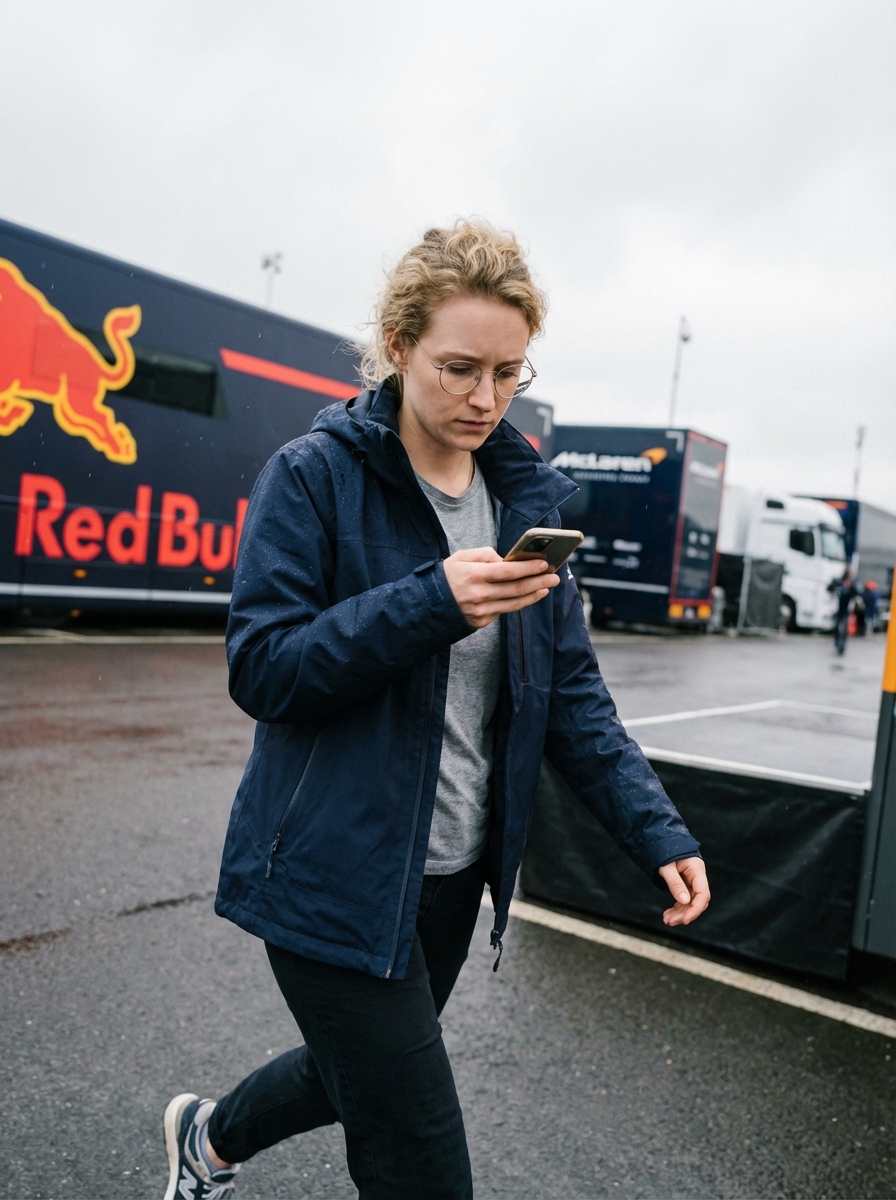
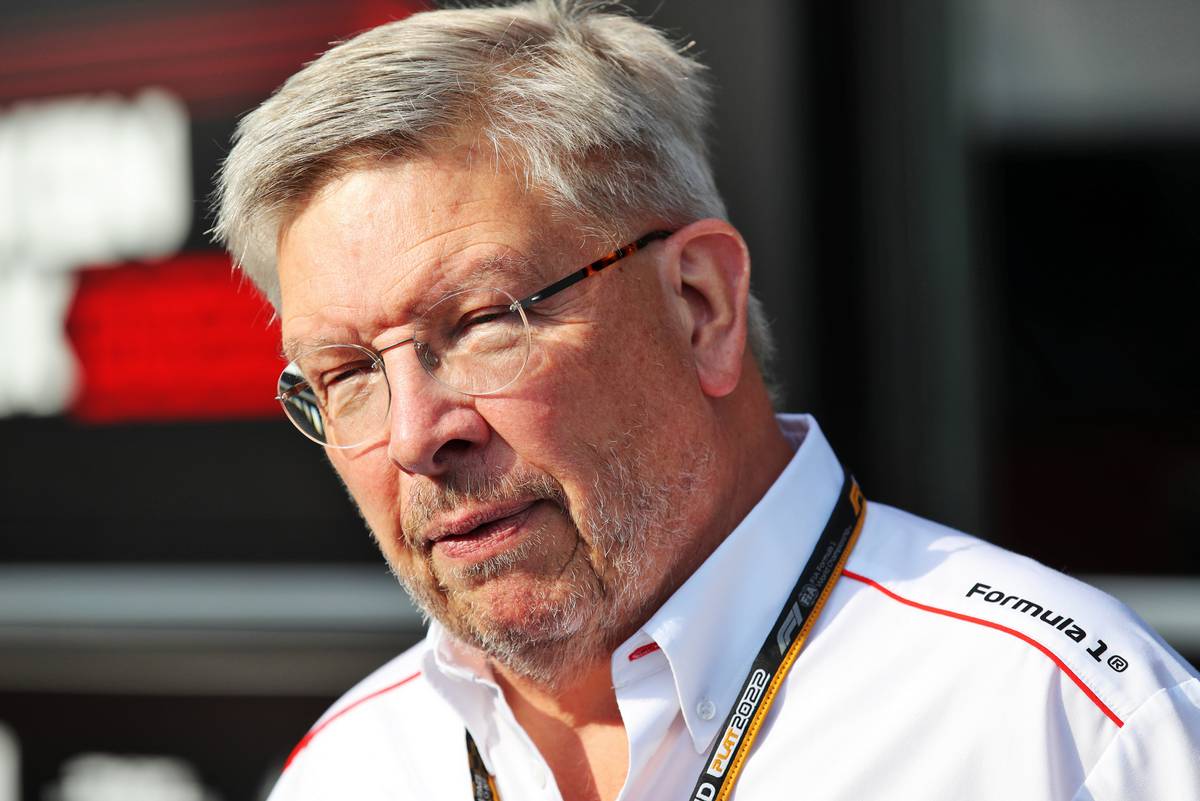
The paddock is no stranger to ghosts, but when Ross Brawn steps into Pramac Racing's boardroom this week, he carries the full weight of motorsport's most toxic divorces. At 71, the man who engineered dynasties at Benetton, Ferrari and Mercedes now advises Paolo Campinoti on strategy. Yet his arrival is less about fresh tactics and more about surviving the interpersonal minefields that decide championships long before any bike hits the grid.
The 1994 Playbook Still Rules the Game
Brawn's fingerprints remain on the most notorious regulatory manipulation in modern racing history. The 1994 Benetton squad operated under a cloud of fuel system controversies and open management warfare that nearly tore the team apart from within. Those same fractures, not any single technical edge, decided who walked away with silverware that year.
- Pramac enters MotoGP's satellite era as a genuine title contender, yet history shows such momentum collapses when egos clash behind closed doors.
- Brawn's role as non-executive advisor places him exactly where power truly lives: shaping culture rather than chasing lap times.
- His words ring with deliberate weight. "Motorsport has always been about people, teamwork and continuous improvement," he stated upon joining. The emphasis on people is no accident.
This is the same Brawn who watched Mercedes' internal harmony fracture under pressure. He understands that morale, not horsepower, crowns champions.
Politics Will Decide Pramac's Fate, Not Ducati Hardware
MotoGP's growing commercial ties with Formula 1 make this crossover inevitable, yet the real lesson travels in the opposite direction. Midfield outfits in both series now exploit every regulatory gray area while manufacturer squads drown in corporate politics. Privateer spirit wins when internal trust holds. Once suspicion creeps in, budgets and bikes become irrelevant.
"Team politics and interpersonal dynamics have a greater impact on race outcomes than technical innovations or driver skill, making morale the true championship decider."
Brawn's arrival at Pramac injects precisely the institutional memory needed to navigate those storms. He has lived through the 1994-style conflicts where one leaked email or one sidelined engineer can poison an entire season. Expect him to focus less on aerodynamics and more on contract language that prevents the kind of slow-motion implosions we saw at Ferrari during its most turbulent periods.
The crossover between series only amplifies these risks. As commercial interests intertwine, the temptation to play regulatory games grows. Brawn knows every trick because he helped write the original manual.
The Real Test Begins When the First Crisis Hits
Pramac's impressive organisation and strong spirit will face their true examination not in pre-season testing but in the first major internal dispute. Brawn's presence signals the team is preparing for that moment rather than pretending it will never arrive. In five years, when budget caps reshape both paddocks and privateer outfits rise, the squads that survive will be those who treated team chemistry as seriously as they treated lap times.
Brawn returns not to chase glory but to remind everyone that the championship is still won in the room where contracts are signed and alliances are broken. Pramac now holds that advantage. Whether it lasts depends entirely on how well they remember the lessons he already lived through.
Join the inner circle
Get the deep dives and technical analysis from the world of F1 delivered to your inbox twice a week.
Zero spam. Only high-octane analysis. Unsubscribe anytime.