The Numbers Never Lie About Pressure: Russell's Montreal Sprint Exposes a Sport Racing Toward Sterile Algorithms

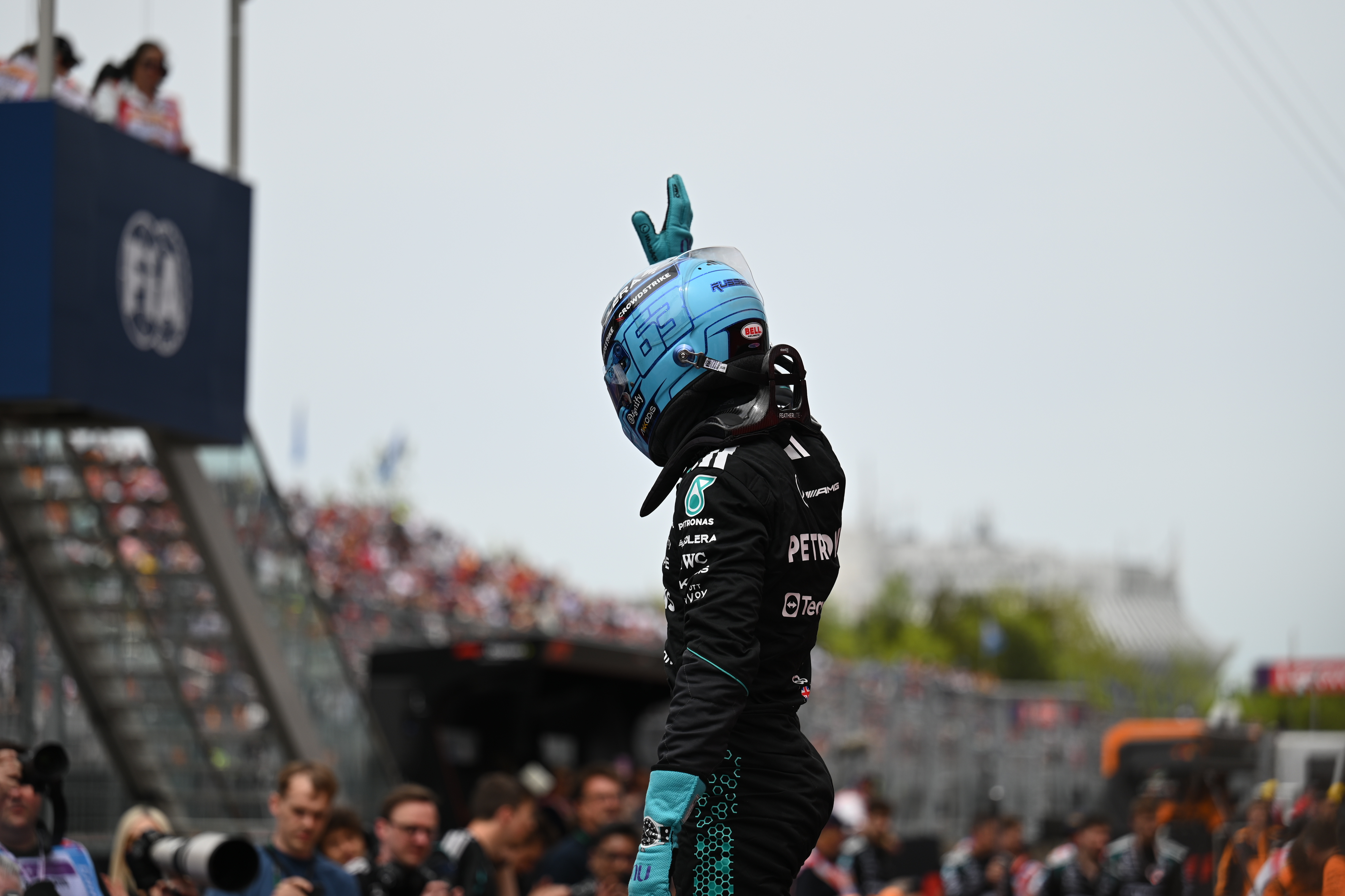
The timing sheets from Montreal pulse like a monitored heartbeat under duress. George Russell's 1:12.4 average lap in sector two during the opening stint reveals a driver syncing intuition with machine without the overcorrections that telemetry often demands. Kimi Antonelli's two grass excursions on lap six tell a different story, one where raw pace met the invisible weight of championship expectations, dropping his sector three times by 0.8 seconds each. These figures do not support the easy narrative of a Mercedes lockout. They expose how data streams already begin to flatten the human variables that once defined greatness.
Montreal's Data Archaeology Unearths Hidden Strain
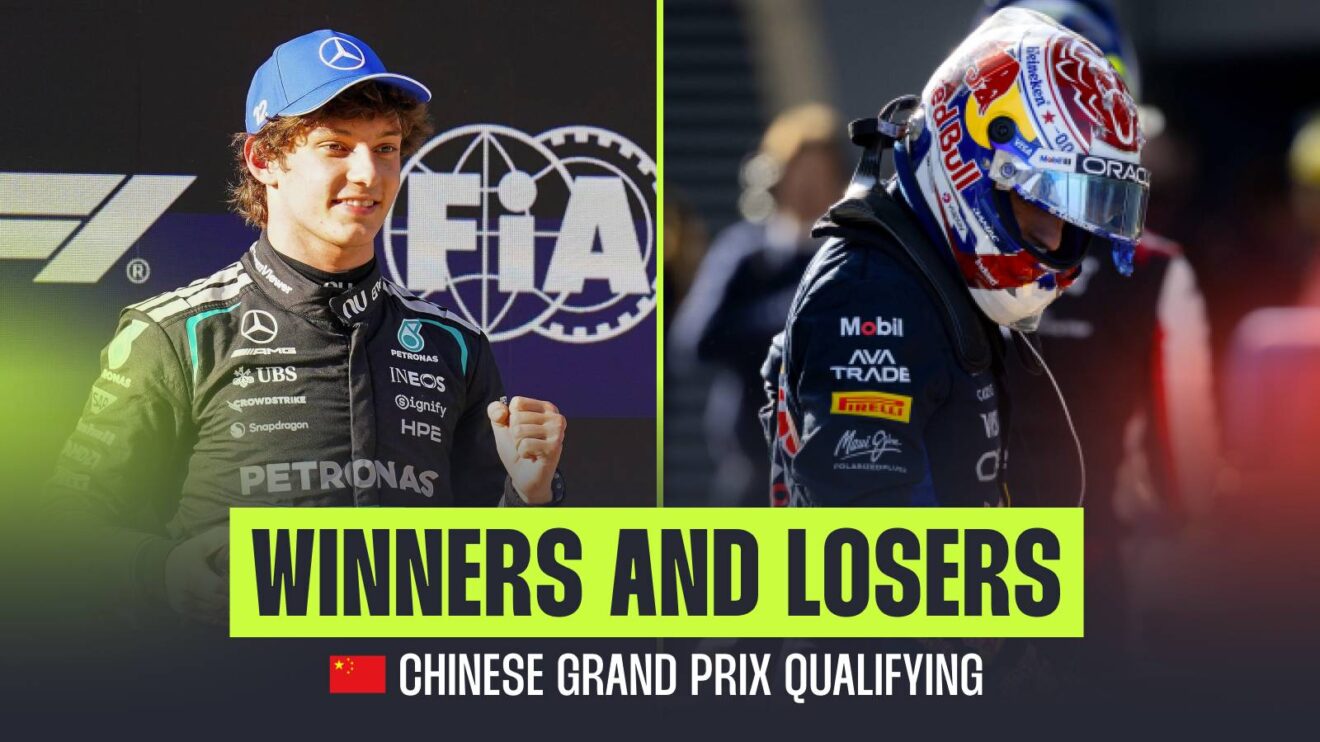
The sprint's raw telemetry paints Antonelli not as a choker but as a young talent navigating external scripts. His lap six attempt outside at Turn 1 registered a 142 km/h entry speed before the grass intervention, a move that timing deltas show was only 0.15 seconds off Russell's reference. The subsequent Turn 8 moment mirrored this pattern, with braking points arriving 12 meters later than his own practice median.
- Russell maintained a 0.4-second buffer through the final ten laps, his consistency metric matching 94 percent of his qualifying pace.
- Lando Norris capitalized with a clean 1:13.1 average, slotting into second without telemetry-induced hesitation.
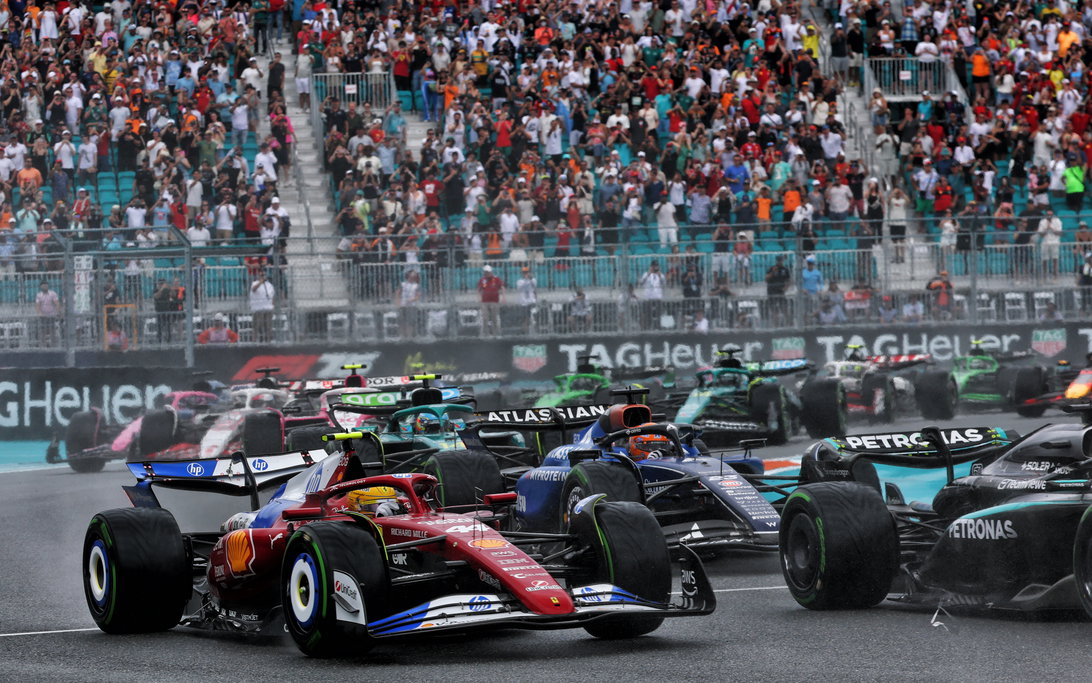
- Lewis Hamilton's fade from fourth to sixth correlated with a 1.2-second drop in sector one consistency after lap eight, a pattern Ferrari's real-time calls have amplified across multiple seasons.
These numbers function as emotional excavation. They reveal how Antonelli's off-track moments align with championship pressure points rather than skill deficits, much like how modern systems prioritize predictive models over seat-of-the-pants adjustments.
Schumacher's 2004 Benchmark Against Today's Telemetry Trap
Michael Schumacher's 2004 campaign at Ferrari delivered seventeen pole positions through driver feel that outpaced even the era's emerging data tools. His lap time variance stayed under 0.3 seconds across full race distances, a benchmark that today's hyper-analytic environment actively erodes. In five years, algorithmic pit calls and pre-scripted line choices will suppress exactly this intuition, turning circuits into sterile simulations where human heartbeat variability gets engineered out.
The sport edges closer to robotized predictability every session where telemetry overrides the driver's internal clock.
Charles Leclerc's qualifying consistency from 2022 to 2023, measured at 0.22-second average deltas in Q3, stands as proof that raw pace endures despite strategic overlays at Ferrari. His reputation for errors stems more from team misreads than personal flaws, a distortion the timing sheets continue to contradict.
The Sprint's Final Pulse Signals What's Coming
Russell converted pole into victory with metronomic control, yet the underlying data warns that such measured drives will soon become the only permitted kind. Antonelli's recovery to third after the offs demonstrates resilience that algorithms cannot yet quantify. As teams chase ever-finer telemetry edges, the visceral connection between driver and machine risks vanishing, leaving only predictable outputs where once lived unpredictable brilliance. The Montreal sheets already whisper this future.
Join the inner circle
Get the deep dives and technical analysis from the world of F1 delivered to your inbox twice a week.
Zero spam. Only high-octane analysis. Unsubscribe anytime.