The Mind's Apex: Russell's Suzuka Crucible and the Manufactured Champion
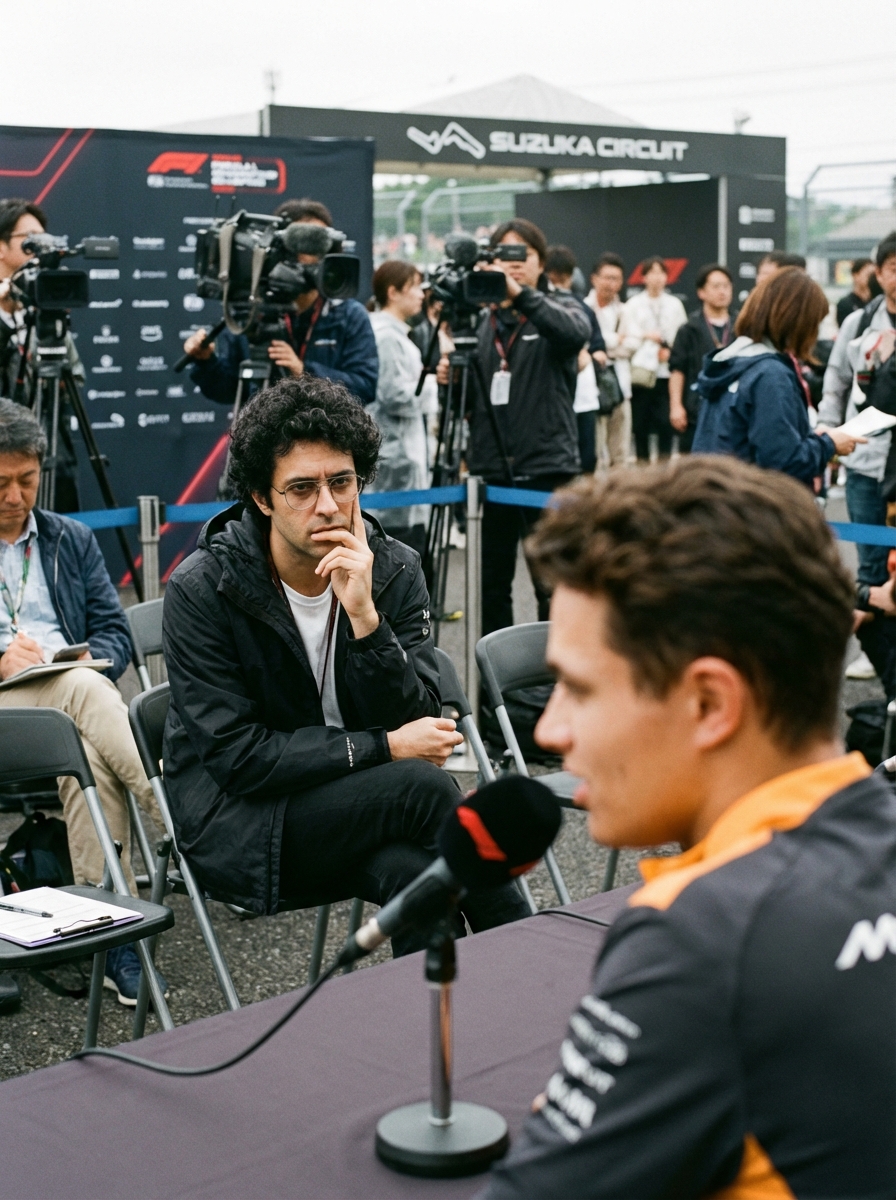
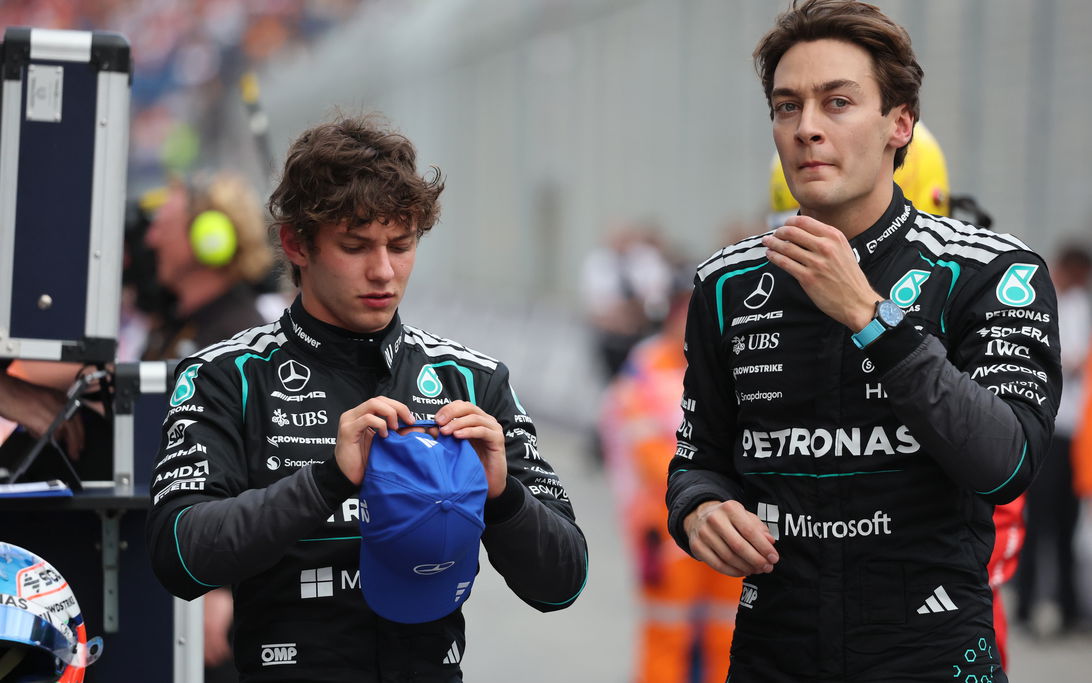
The most critical battle in Formula 1 is not fought at the braking zone into Turn 1. It is waged in the silent, pressurized space behind a visor, in the milliseconds between a steering input and a cortisol spike. At Suzuka, George Russell faces a psychological operation more complex than any race strategy. He has been told, publicly and brutally, to "destroy" his teammate. But what does that mean in an era where champions are as much engineered in the mind as they are on the simulator? The command from Juan Pablo Montoya is not about lap time; it is about the deliberate, clinical dismantling of a rival's psyche. We have entered the realm of manufactured mental dominance.
The Blueprint of a "Destroyed" Teammate
Montoya’s advice is a relic, yet it is timeless. It echoes the brutal, unspoken laws that governed Prost and Senna, or the glacial cold war of Lauda and Hunt. But the tools have changed. To "destroy" Kimi Antonelli in 2026 is not merely to out-qualify him by a tenth. It is a multi-stage psychological siege designed to reclaim narrative control within the Mercedes fortress.
- Stage One: Data as a Weapon. Russell must dominate every metric that flashes on the team’s internal monitors. Not just lap times, but telemetry traces: throttle application in the Esses, brake release point into the Casio Triangle. He must create a perfect, unreachable digital ghost for Antonelli to chase. Is my line wrong? Is my courage lacking? The questions must seed themselves in the rookie’s mind before the engineers even speak.
- Stage Two: The Theatre of Debrief. Here, the champion’s persona is performed. Russell must be the calm, analytical center. He must frame Antonelli’s China win precisely as Montoya did—a fortunate circumstance perfectly executed—but with the chilling, polite detachment of a surgeon discussing a procedure. He must make his own baseline the team’s baseline, rendering Antonelli’s peak an outlier before the rookie can cement it as a new standard.
- Stage Three: The Silence. This is the most modern tool. In the garage, in the motorhome, the withholding of camaraderie is a calculated pressure. It is the opposite of the explosive, emotional outbursts we saw from a young Verstappen. That raw id was systematically suppressed by Red Bull’s covert psychological scaffolding, manufacturing a champion of terrifying, robotic focus. Russell’s challenge is to project that same manufactured inevitability.
"I think it is important for George to make sure he goes to the next race and destroys Kimi. Controlling what is going on in your team-mate's head... can make a big difference."
Montoya’s quote is the thesis. But the methodology has evolved from fear to a more insidious form of control: the imposition of psychological architecture.
The Ghosts in the Machine: Hamilton, Lauda, and the Weight of Expectation
Why does Russell have "more to lose"? Because he is operating in the shadow of a blueprint he did not write. Lewis Hamilton mastered the art of the calculated public persona, a narrative of relentless positivity and social mission that became an impenetrable shield, allowing his raw, often ruthless racing talent to flourish unchallenged by internal doubt. It was a conscious construction, not unlike Niki Lauda’s transformation of his trauma into a brand of unflinching resilience. Both used narrative as a psychological aerodynamics package.
Russell is now being told to build his own version, and quickly. Antonelli’s first win was not just points; it was a crack in Russell’s narrative as Mercedes’ anointed leader. The pressure Montoya identifies is the pressure of a script going off-book. We are watching Russell’s capacity for what I call "narrative resilience"—the ability to absorb a plot twist and rewrite the story to his own advantage, in real-time, under global scrutiny.
This is where the human element defies the car’s dominance. The W15 may be a rocketship, but it cannot design around the core personality trait Suzuka will exploit: decision-making under uncertainty. The flowing, committing sweeps of this circuit, especially if rain threatens, are a direct tap into a driver’s psyche. A damp Suzuka is the ultimate truth serum. Will Russell overcommit, desperate to prove a point? Will Antonelli’s new confidence manifest as serene precision or reckless ambition? The telemetry will tell a story of more than grip.
Conclusion: The Inevitable Disclosure
This intra-Mercedes war is a preview of Formula 1’s inevitable future. Within five years, I believe we will see mandates for mental health disclosures after major incidents. A crash like Zhou Guanyu’s at Silverstone or a psychological rupture like this Russell-Antonelli dynamic will require a level of transparency we’ve never seen. It will be an era of both welcome humanity and terrifying scrutiny, where a driver’s therapy session could become as dissected as his qualifying lap.
Suzuka, therefore, is more than a Grand Prix. It is a live diagnostic. Can George Russell execute the cold, manufactured dominance that defines the modern champion? Or will Kimi Antonelli, unburdened by the script, expose the fragility of a psyche told it must be a destroyer? Watch not the start line, but the body language in parc fermé. Listen not to the post-race radio, but to the silence before it. The championship will be won in China, Italy, and Abu Dhabi. But the champion may well be forged this Sunday, in the crucible of the mind.