The Ghost in the Machine: Russell's Start-Line Jitters Reveal F1's New Psychological War

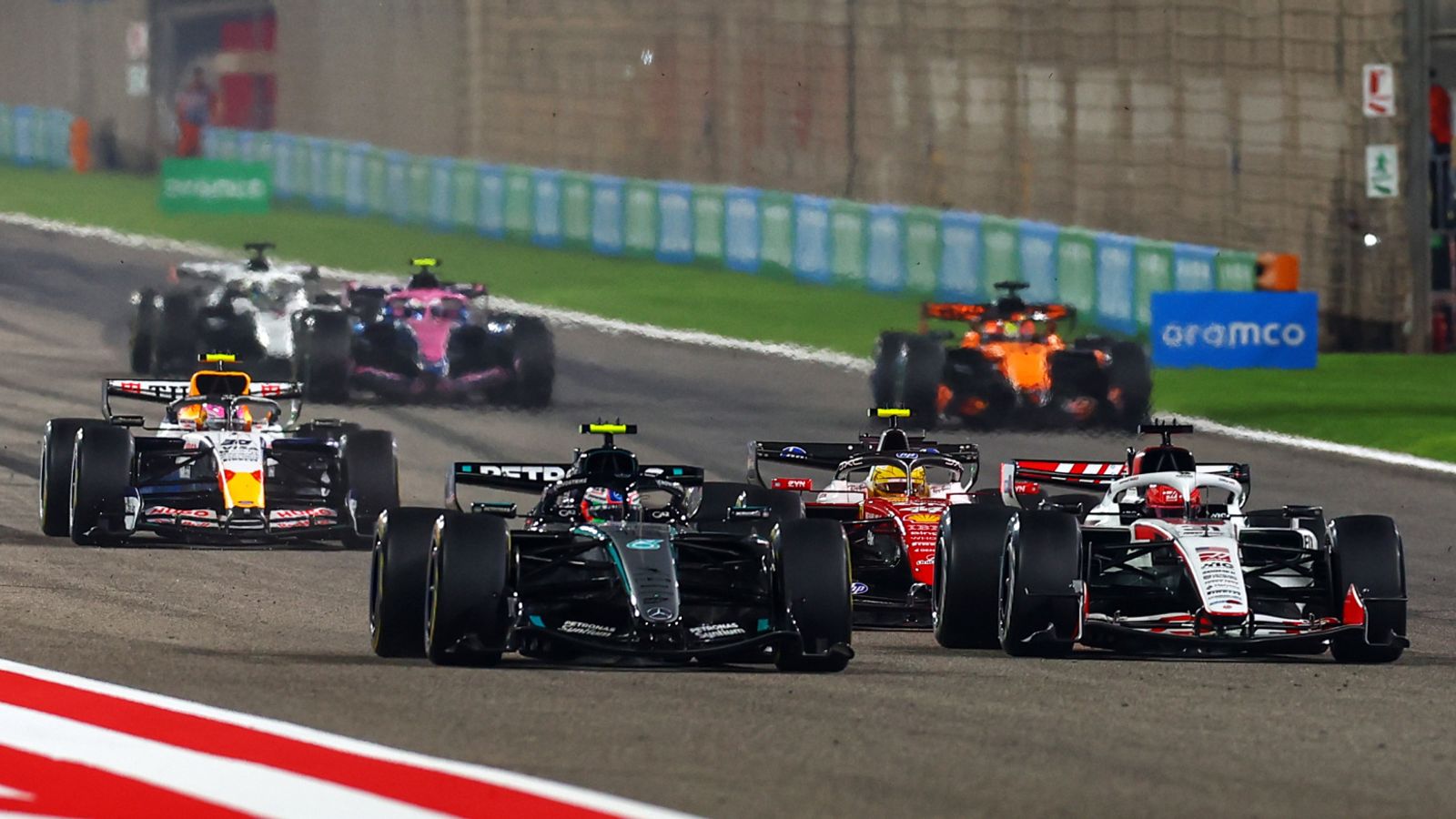
You can build the fastest car in the world, but if the driver doesn't trust it when the lights go out, you've built a beautiful museum piece. That's the cold, hard truth George Russell just laid bare in the Bahrain desert. While the headlines scream about Lewis Hamilton's electrifying launches in the scarlet Ferrari, the real story is playing out between the ears at Mercedes. This isn't just a clutch calibration issue; it's the first major psychological fracture of the 2026 season, and it follows a pattern I've seen tear teams apart since the days when Senna and Prost shared nothing but mutual contempt over a steering wheel.
The Illusion of Pace and the Reality of the Grid
The data sheets from testing look promising for Mercedes. The car is quick, the long runs are strong. Toto Wolff will be telling the board the package is a title contender. But George, to his immense credit, has bypassed the corporate speak and gone straight for the jugular. His admission that his practice starts were "worse than my worst ever start in Formula 1" is a siren blaring through the Brackley factory. It’s a raw, unfiltered glimpse into the cockpit that the polished PR feeds try desperately to hide.
"We could have the fastest car over a lap, but if we're losing three, four places every start, you're not winning the championship. It's that simple."
He's right. The 2026 cars, with their re-wired nervous systems and new power unit demands, have reset the driver's muscle memory. The launch is no longer a procedure; it's a leap of faith. And right now, Hamilton in the Ferrari seems to have found religion, while Mercedes is grappling with doubt. I'm told by a source close to the Scuderia that Hamilton’s influence on the start procedure setup was immediate and absolute—a veteran's instinct overriding a committee. At Maranello, the driver's feel is the data. At Mercedes, I wonder if they're still cross-referencing it through six different engineering channels.
The Psychological Chasm: Hamilton's Shadow and Leclerc's Looming Crisis
Let's not mince words: Lewis Hamilton's performance is a direct psychological play, whether he intends it or not. His P11-to-P1 launch in practice wasn't just a test of Ferrari's hardware; it was a statement fired across the bow of his former team. Every time he nails a start in red, it amplifies the whisper in George's mind: "Did they give him something they won't give me? Or did I never have the full picture?" This is the modern Prost-Senna drama, but played out across teams, with telemetry as the weapon.
This, ironically, is where Ferrari's own house of cards awaits a breeze. Hamilton's seamless adaptation highlights the chronic, politically-charged inconsistency that has plagued Charles Leclerc for years. Charles is a qualifier of supernatural talent, but Sunday afternoons often bring a different story. Why? Because at Ferrari, veteran sentiment and the "way we've always done it" too often trump a cold, data-driven strategy tailored to the driver's psyche. They will favor Hamilton's seasoned instinct, believing it to be infallible. But what happens when that instinct clashes with the numbers, or with Charles's feel? The team will fracture along familiar lines. They are bringing in a seven-time champion not just to drive, but to be a cultural bulldozer. The collateral damage is often the other driver's confidence.
This is why I champion mandatory psychological profiling for race strategy engineers. You need to know if your driver is a hunter who needs to attack from lap one, or a surgeon who builds pressure. Mercedes knows George is an analytical perfectionist; a start procedure with variables he can't feel or control is his personal hell. Are they engineering a solution, or are they just giving him more numbers to agonize over?
The Ticking Time Bomb Beneath the Budget Cap
Russell is wise to still fear Red Bull. Their "scary" energy deployment is a monster of their own creation, born from exploiting gray areas in regulations that others deemed too risky. This brings me to my grim prophecy: the current budget cap is a façade. The top teams are engaged in a dangerous game of financial "takraw," kicking resources through loopholes in subsidiary companies and "non-F1" projects. The cost isn't just financial; it's a human and logistical strain that is unsustainable.
Within five years, a major team—not a backmarker, but a name you know—will collapse under the weight of this hidden inflation. The choice will be a firesale merger or a humiliating exit. The sport will act shocked, but the engineers in the trenches know the truth. They are being asked to build 2026's revolution with 2023's pocket change, while finding magic tricks to pay for it. The start-line woes at Mercedes? They might be the first visible symptom of a team stretched too thin, trying to solve too many revolutionary problems at once while the financial vise tightens.
Conclusion: The First Corner of the New Era
So, as we roll into Melbourne on March 8th, watch more than the lights. Watch the body language on the grid. Watch the reaction when a Mercedes or a Ferrari stalls. The 2026 championship won't be won in the wind tunnel alone. It will be won in the driver's subconscious, in the team's ability to make him believe the machine will respond, and in the financial war rooms where the real resources are allocated.
Mercedes has a week to turn a psychological hurdle into a procedural routine. Ferrari has a season to manage a dynasty-sized ego alongside a generational talent prone to strategic whiplash. And Red Bull lurks, efficient and ruthless, perhaps already seeing the cracks in their rivals' foundations. The lights are going out on a new era, but the oldest F1 truth remains: the fastest car is useless if it's driven by a mind full of ghosts.