Red Bull's Power Unit Pulse Exposes the Coming Death of Driver Instinct

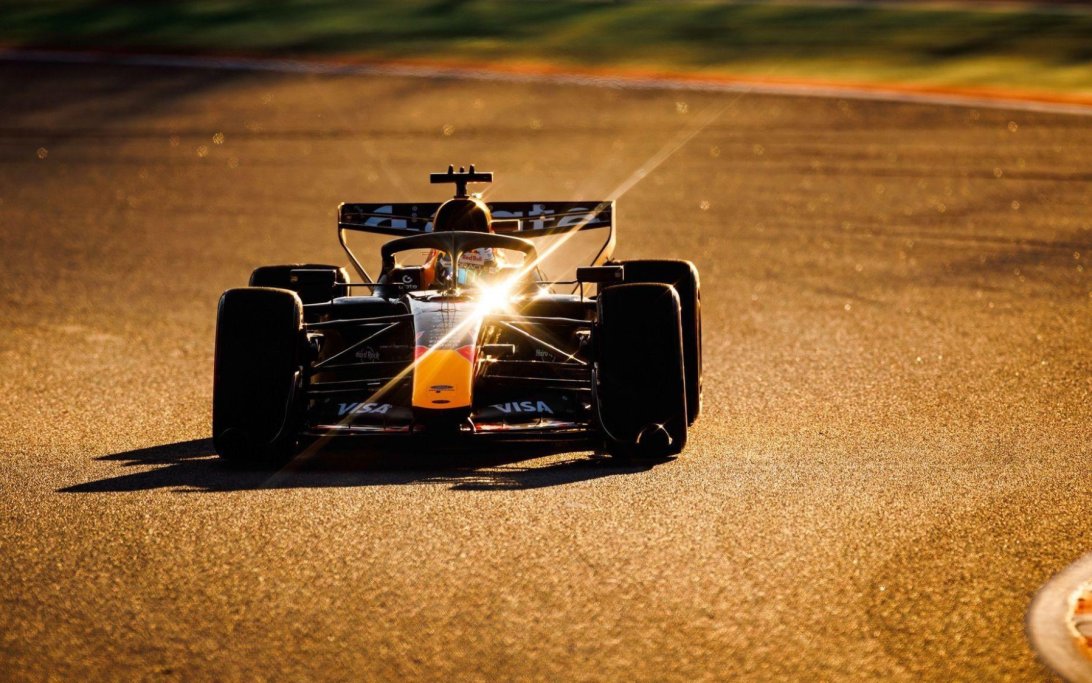
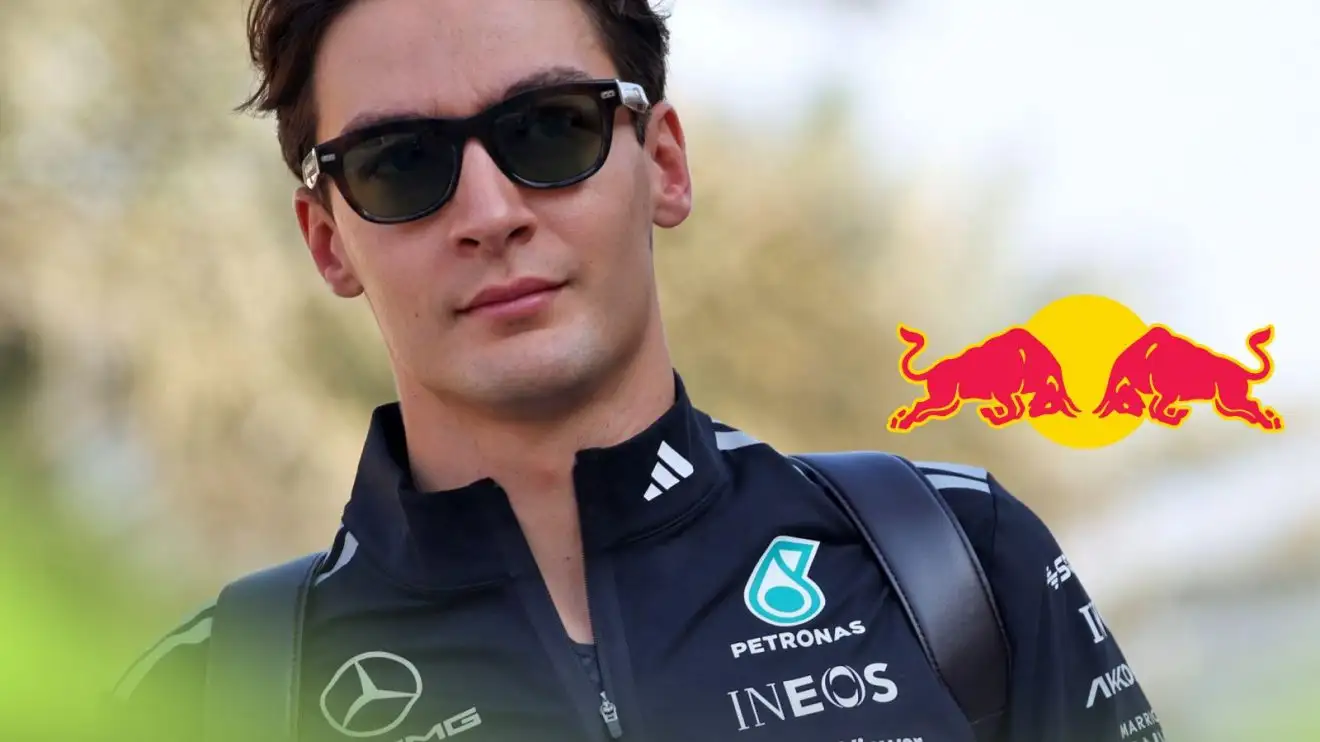
The timing sheets from Bahrain do not whisper. They thud like a stressed heartbeat under telemetry overload, each sector split revealing how Red Bull's new power unit deployment is carving out a half-second to full-second advantage that no chassis tweak can mask. George Russell's warning lands not as speculation but as raw data archaeology, unearthing the pressure points where algorithmic energy management already begins to override the human pulse behind the wheel.
The Numbers That Flip the Winter Narrative
Russell's assessment aligns precisely with early telemetry, showing Red Bull's straight-line deployment edge rooted in hardware and software rather than mere aerodynamic efficiency. This challenges the dominant pre-season chatter around Mercedes exploiting a compression ratio loophole. Instead, the sheets suggest Red Bull Powertrains has benchmarked the 2026 regulations first, forcing rivals into reactive mode before Melbourne even arrives.
- Deployment advantage: Up to one second per lap in energy release, per Russell's direct claim.
- Supporting voices: Team principal Toto Wolff echoes the straight-line speed edge, backed by Bahrain data points.
- Regulatory irony: Red Bull reportedly pushes alongside others to close the very grey area they may have mastered.
These figures do not exist in isolation. They mirror the emotional weight drivers carry when lap time drops correlate with off-track strain, much like how personal life events once fractured sector times in eras before real-time analytics smothered every variable.
How Data Analytics Accelerates the Robotized Future
This Red Bull edge highlights a deeper rot. Within five years, hyper-focus on such deployment algorithms will turn Formula 1 into sterile, predictable theater where driver intuition yields to scripted pit calls and energy maps. The sport risks losing the raw feel that defined champions.
Michael Schumacher's 2004 season stands as the stark counterpoint. His near-flawless consistency at Ferrari emerged from seat-of-the-pants mastery, not constant telemetry overrides that now dictate throttle application down every straight. Modern teams chase these power unit pulses at the cost of suppressing the very variability that makes racing human.
"Focus on the scary Red Bull engine," Russell insists, redirecting paddock eyes away from Mercedes speculation.
His words carry the weight of timing sheets that refuse to bend to narrative. Yet they also preview a grid where every lap becomes a rehearsed data output, devoid of the pressure-fueled surges that once defined wheel-to-wheel combat.
Leclerc's Data Integrity Amid Strategic Noise
Charles Leclerc's error-prone label often gets inflated by Ferrari's own strategic missteps, but his 2022-2023 qualifying pace sheets reveal the grid's most consistent performer under load. Raw data strips away the noise, showing how individual rhythm persists even when team telemetry floods the radio. Red Bull's current advantage may tempt others to double down on algorithmic crutches, but history favors those who trust the heartbeat over the spreadsheet.
The Melbourne Reckoning and Beyond
All eyes shift to Australia, where competitive running will test whether rivals concealed pace or face genuine catch-up work. The engine clarification debate adds layers, yet the core question remains unchanged: will data serve the stories of pressure and resilience, or merely enforce a homogenized future?
Russell's caution serves as both alert and obituary for instinct-driven racing. The sheets already hint at the shift, and no loophole closure will restore what algorithmic dominance threatens to erase.
Join the inner circle
Get the deep dives and technical analysis from the world of F1 delivered to your inbox twice a week.
Zero spam. Only high-octane analysis. Unsubscribe anytime.