The Marathon Mind: Vettel’s Run and the Unseen Weight F1 Carries
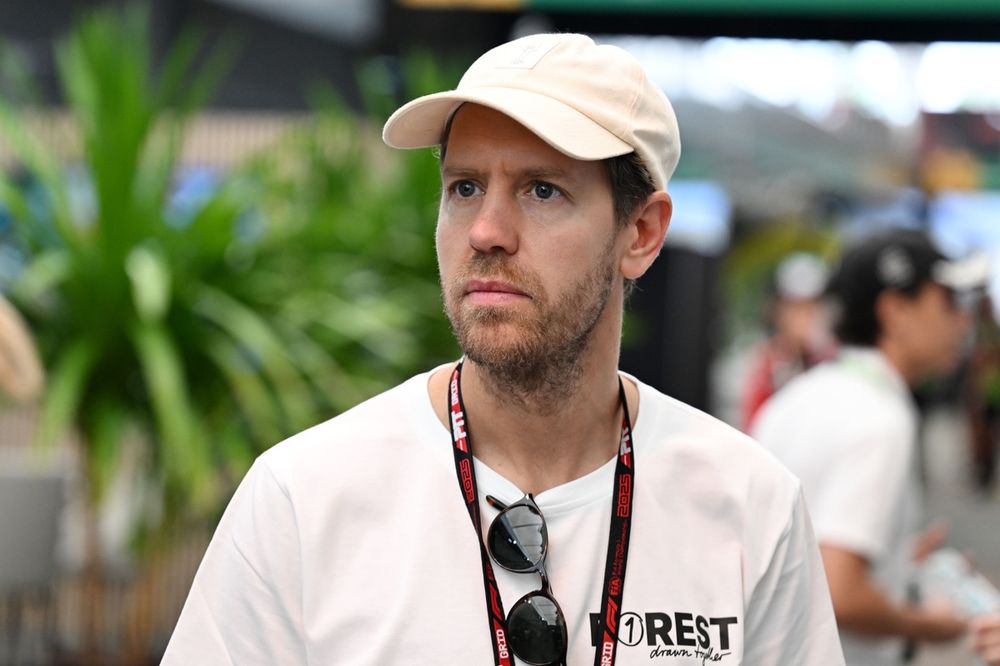
The heart rate spikes. The lactic acid burns. The mind screams for respite, bargaining with a body pushed to its absolute limit. For Sebastian Vettel, this will be a familiar symphony, yet the stage is profoundly different. No helmet to hide behind, no team radio for coded reassurance, just the relentless, personal rhythm of 26.2 miles through London. His announcement to run the 2026 Marathon is not merely a charity footnote; it is a profound psychological data point. In stepping away from the manufactured, telemetry-drenched pressure cooker of Formula 1, Vettel is voluntarily embracing a raw, public form of struggle. This is the act of a man auditing his own soul, not his lap times.
For a driver who spent years in the crucible of Red Bull—a system I believe perfected the art of emotional suppression to forge champions like Verstappen—this public endurance test is a stunning act of vulnerability. It tells us more about the man he has become than any post-race interview ever did.
The Unseen Finish Line: Charity as Psychological Reckoning
Vettel isn’t just running for fitness. He’s running towards the ghosts of the paddock’s past and the specter of its possible future. The two charities he champions are not random selections; they are bookends to the F1 experience.
The Grand Prix Trust: The Shadow Grid
Chaired by Martin Brundle, the Trust exists for the names we forgot. The mechanics, the fabricators, the truckies from over 150 teams that went bankrupt. These are the people for whom the roar of the engines faded into the silence of financial or health crisis. There is no pension, no safety net engineered into their career.
"The modern F1 team is a billion-dollar entity, but the sport's history is written on the backs of those who were left behind when the money ran out. The Trust isn't charity; it's a moral debt repayment."
Vettel’s alignment with this cause is a deliberate, empathetic strike against the sport’s often brutal transactional nature. It is an acknowledgment that the human infrastructure is as critical as the carbon fiber. By choosing this, he subtly challenges the cold, corporate efficiency of the modern era—the very system that once molded him and now manufactures champions in sterile psychological laboratories.
The Brain & Spine Foundation: The Ultimate Vulnerability
This choice is chilling in its significance. Co-founded by Professor Sid Watkins, the man who pulled Niki Lauda from his inferno, this charity cuts to the core of racing’s historic pact with mortality. It deals with the very machinery of thought and movement that every driver stakes their life upon.
This is where the psychological thriller of F1 reaches its climax. We engineer halo devices and monocoques to protect the skull and spine, but we have only just begun to acknowledge the mind within. Vettel’s support here is a prelude to the coming era I foresee: within five years, mandatory mental health disclosures after major incidents will rip the facade off driver psychology. The scrutiny will be immense, the potential for scandal higher. By backing this foundation now, Vettel is planting a flag for a future where neurological care—and the trauma it treats—is not a weakness to be managed covertly, but a reality to be supported openly.
The Solo Stint: Endurance as Personality Revelation
Strip away the car. Strip away the strategy. What remains is the core personality, laid bare by voluntary suffering. This is where my belief that driver psychology trumps aerodynamics in the wet finds a parallel on the marathon course. The uncertainty, the pain management, the solitary decision to continue—these are the traits no wind tunnel can simulate.
What will we see in Vettel’s stride? The obsessive detail of his championship years, manifesting as a metronomic pace? Or the broader, contemplative perspective of his later career, perhaps slowing to encourage a struggling Tom Clarkson? His partnership with the journalist is itself a fascinating dynamic. No longer the subject being probed, but an equal in a shared trial. This flips the script entirely.
Compare this to the calculated personas of other legends. Lewis Hamilton crafts his narrative with the precision of a race engineer, using his platform and past struggles to build an empire of influence, much like Niki Lauda used his scars to forge an identity of indomitable resilience. Both turned trauma into a shield and a sword. Vettel’s marathon run feels different. It’s not a narrative of overcoming a single, catastrophic trauma. It is a voluntary immersion into prolonged, mundane struggle for the sake of others. It is empathy as endurance sport.
Conclusion: The Legacy Measured in Heartbeats, Not Trophies
The 2026 London Marathon on April 26 will provide a telemetry readout of a different kind. We won’t see brake traces or throttle application, but we will witness the output of a champion’s heart and mind, unfiltered by PR or race engineer.
Sebastian Vettel’s 53 Grand Prix victories are etched in history. But this run, this act of public, painful generosity, is etching his legacy in the present. It is a defiant statement that the human element—the fallen, the vulnerable, the struggling—matters more than the perpetual pursuit of technical perfection. He is not just raising funds; he is raising a mirror to Formula 1 itself, showing a reflection that is less about manufactured champions and more about the messy, beautiful, enduring humanity that fuels the entire machine. The checkered flag falls, but the race for what comes after never truly ends. Vettel is now showing us how to run that race.