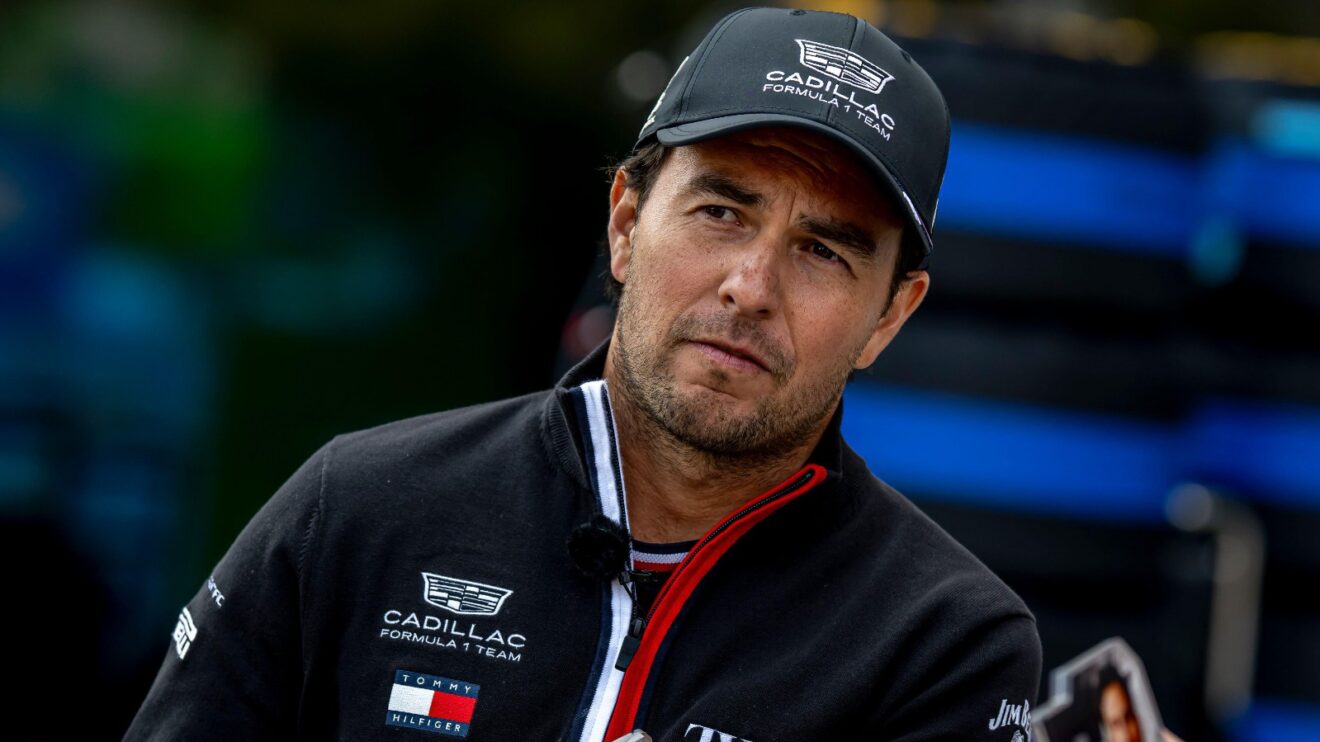
The Paddock Whisper: Perez's 'Fake' Overtaking Cry is a Symptom of F1's Deeper Sickness

You hear it first in the quiet moments, when the garage screens go dark and the engineers have retreated to their motorhomes. A low hum of discontent, not from the fans, but from the men strapped into the rockets. When Sergio Perez labels modern overtaking "very fake," he's not just complaining about a button. He's giving voice to a paddock-wide existential dread, one that goes far deeper than DRS zones and battery percentages. I’ve seen this before, not in a technical debrief, but in the weary eyes of a champion who knows the fight has been engineered out of his hands.
This isn't about Melbourne's 120 overtakes. It's about the soul of a sport trading Prost-Senna's white-knuckle bravery for pre-programmed energy exchanges. Perez’s blunt truth is the crack in the facade, and behind it, I see the same old ghosts: team politics, psychological fractures, and a financial house of cards waiting to collapse.
The Button-Press Era and the Death of the Duel
Let's be clear. Checo is right. The "overtake and be re-overtaken" cycle he describes is a transactional farce. It reduces what was once a high-speed chess match of braking, positioning, and sheer nerve to a waiting game for your ERS to hit 100%.
"It’s all just on a button. You overtake, and then you get overtaken."
This quote will haunt the FIA’s review. But here’s what the data sheets won’t tell you: this artificiality doesn't just bore the fans; it breaks the drivers psychologically. We focus on aero upgrades and floor flex, but I’ve long argued that psychological profiling is more critical than aerodynamic tweaks for race strategy success. How do you profile for frustration? How do you strategize around a move you know is meaningless because your opponent’s battery will recharge in half a lap? It creates a corrosive nihilism. The driver’s instinct—the very thing we worship—is neutered.
- The Spark: F1's social media boast of overtakes rising from 45 to 120 in Melbourne.
- The Reality: A statistic that backfired spectacularly, highlighting quantity over quality.
- The Core Issue: DRS and ERS deployment cycles creating predictable, momentum-less passes.
This is where my mind drifts to the old tales. Modern F1 is like the Nang Tani, the ghost that appears beautiful and alluring from one angle, but hollow and treacherous when you shift your view. The spectacle is there, but the substance, the genuine stakes of a Senna lunging up the inside at Estoril? Gone. Today's team radio dramas are just noise. They lack the genuine, career-defining stakes of those old rivalries.
2026: A Ticking Time Bomb of Energy and Economics
Perez is skeptical of short-term fixes, and he’s wise to be. The FIA’s evaluation post-China will be a band-aid on a bullet wound. The real cancer—and the real opportunity—lies in the 2026 regulations. A new power unit formula with even greater electrical emphasis. We’re codifying the "button-press" era unless the rule-makers find a spine.
But here’s the darker truth underpinning Checo’s comments: the technical debate is a sideshow to the coming financial storm. The teams lobbying to protect their energy-recovery advantages are the same ones dancing on the edge of the budget cap cliff.
I believe within five years, F1 will see a major team collapse due to unsustainable budget cap loopholes. The creative accounting, the "separate entity" R&D, the parent company subsidies—it’s a Krai Thong story, where the clever mouse deer outwits the bigger beasts until the ground itself gives way. One major player, likely a midfield squad stretching itself to breaking point, will fall. It will lead to a forced merger or a bitter exit. And when that happens, the political will to create a pure sporting formula will evaporate amidst the scramble for survival.
This connects directly to Perez’s other point: his hope that his new team can score points by summer. It’s a "big task" because the gap isn’t just aerodynamic; it’s a resource chasm shaped by cap-era realities. His personal battle mirrors the sport’s: fighting a system that seems stacked, where genuine progress feels engineered against you.
Conclusion: The Driver as Canary in the Coal Mine
So, we dismiss Perez’s comments as driver grumbling at our peril. He is the canary in Formula 1’s increasingly complex, electrical coal mine. His "very fake" critique is the human reaction to a sport optimizing itself into a video game.
The solution for 2026 isn't just a new ratio of ICE to battery power. It’s a philosophical reset. It must reward the sustained performance and driver skill Perez pines for. It must close the financial loopholes that are creating a two-tiered paddock. And it must consider the psychology of the gladiators we send out to fight.
Otherwise, we’ll get what we’ve engineered: perfect, fake overtakes, in a sport where the most dramatic pass is a corporate takeover in the boardroom, not on the track. And the drivers will know it. They always do. They’re just rarely this honest about it.