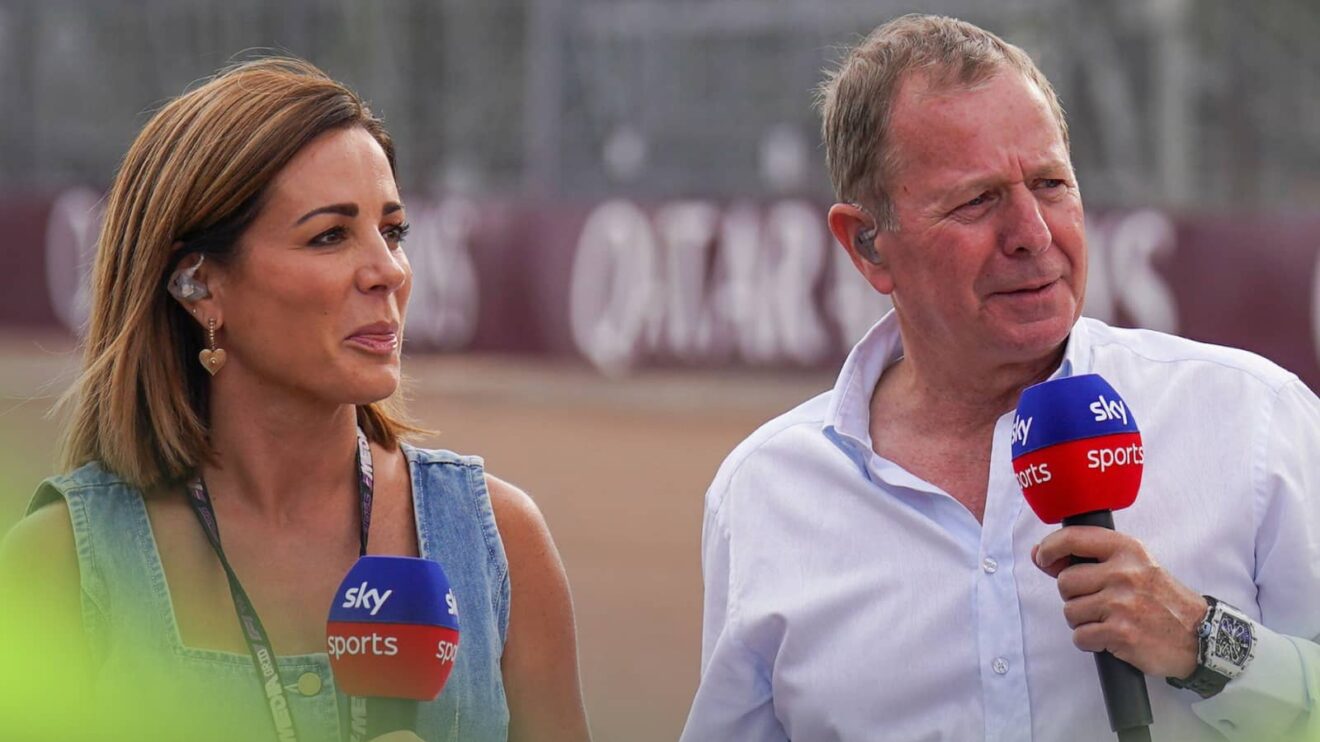
The Paddock's True Endurance Race: Pinkham's Comeback Exposes F1's Hidden Toll

You hear the roar of the engines, see the champagne spray, and assume the only real athletes here are the ones in the fireproofs. You'd be wrong. The most grueling recovery I've witnessed this season isn't in a driver's motorhome; it's in the broadcast booth. This weekend at Suzuka, Natalie Pinkham returns to the Sky F1 screen after a six-month battle that makes a triple-header look like a spa day. Her story isn't just one of personal resilience; it's a stark, blinking red light on the dashboard of this sport, highlighting the immense physical cost paid by the traveling circus that makes the show go on.
The Agony Behind the Glamour: A Procedure of "Gross" Proportions
Let's be clear. What Natalie went through wasn't a tweak or a strain. This was warfare on her own body. Sidelined since Monza last September, a slipped disc in her neck was pressing against her spinal cord. The fix? Urgent, invasive surgery that sounds like something from a sci-fi novel. They went in through the front of her neck, temporarily removing her voice box and moving her trachea and oesophagus aside to get to the spine. A disc removed, vertebrae fused, a cage inserted.
"It was agony," she said. And you better believe it. This is a woman who interviews giants of the sport moments after they've stepped from a 200mph cockpit, her voice the conduit for a million emotions. To have that very instrument dismantled and reassembled? The psychological hurdle is as vast as the physical.
Her planned return for Interlagos was scrapped. Simon Lazenby stepped in, as a good team player does. But here's where my mind goes: we obsess over a driver's neck muscles for G-force tolerance, yet we give scant thought to the necks and spines of our colleagues criss-crossing time zones in metal tubes, hauling gear, and living out of suitcases. The support she notes from the "F1 family" is real—the paddock closes ranks when it matters—but it doesn't negate the underlying demand. This sport grinds you down, whether you're holding a steering wheel or a microphone.
A Metaphor in the Madness: The Voice Box and The Team Radio
Natalie being "slightly nervous" about the travel toll resonates deeply with me. It's a profound, earned respect for the machine that is the F1 calendar. But her ordeal—specifically the removal and restoration of her voice—struck me as a powerful metaphor for the modern paddock.
We are drowning in team radio drama. Every huff, every frustrated "guys!" is broadcast and dissected. We try to compare it to the visceral, genuine hatred of Prost and Senna in '89, but it's a pale imitation. Today's conflicts are managed, often lacking the genuine, career-ending stakes. It's manufactured tension. The voice is projected, but is the true emotion ever moved aside to access the spine of the issue?
"Her experience has given her a renewed appreciation for the F1 community."
This is the core of it. When a real crisis hits—a serious injury, a personal tragedy—the paddock's support system is incredible. Yet, we spend most of our time amplifying minor spats between drivers who are essentially co-workers. Natalie's surgery was a real stake. The outcome mattered. Her voice being silenced and recovered matters more than any petulant radio message about a missed overtake opportunity. It forces a perspective. If we applied the same level of scrutiny to the psychological and physical well-being of every team member as we do to a car's floor flex, we'd have a healthier sport.
The Bigger Picture: Sacrifice, Psychology, and Sustainable Pressure
Where does this lead us? Natalie's comeback is a victory, full stop. But it should be a catalyst for a conversation. My belief that psychological profiling is more critical than aero tweaks isn't just for drivers. It's for the entire traveling staff. The pressure to perform every weekend, to be "on," is immense for presenters, engineers, mechanics. We see the result of unmanaged pressure in drivers—the mistakes, the inconsistency. Look at Charles Leclerc at Ferrari. Is it all the car? Or is it the weight of a political atmosphere that favors veteran intuition over cold, data-driven support? That environment wears down the human machinery just as surely as a bad damper setting wears down the tires.
And this unsustainable pressure leads to my other prediction. We focus on the budget cap for the cars, but what about the human cost cap? The relentless grind is a loophole no one is auditing. Within five years, a major team will collapse not because they can't build a fast car, but because they can't sustain the human operation required to run it at this breakneck pace. A merger or exit, born from exhausted people, not exhausted funds.
Natalie Pinkham walks back into the Suzuka paddock this week, her voice restored, her spine fused with titanium. She is a walking testament to endurance. But let's not just applaud her strength and move on. Let's see her journey as the canary in the coal mine. The F1 spectacle is built on more than horsepower and carbon fiber; it's built on the health and spirit of the people who bring it to the world. Protecting that isn't soft; it's the most essential strategy for longevity this sport could ever devise. Welcome back, Natalie. Your voice was missed, and its return speaks volumes.