Adelaide's Power Play: Malinauskas Channels 1994 Benetton Tactics in F1's Latest Shadow Game
Peter Malinauskas did not just make a phone call. He launched a calculated strike into the heart of Formula 1's fragile 2026 calendar, exposing how regional leaders now mirror the psychological warfare that once defined the sport's most ruthless operators. The South Australian Premier's direct pitch to Stefano Domenicali for an emergency Adelaide race after Bahrain and Saudi Arabia cancellations was no desperate Hail Mary. It was a prepared political maneuver, timed with forensic precision and delivered while Eddie McGuire sat beside the F1 CEO. This episode reveals the same ruthless opportunism that teams have perfected for decades, where perception and alliances trump raw speed on the track.
The 1994 Template in Modern F1 Politics
Malinauskas had clearly studied the playbook from the Benetton-Schumacher era, where bending rules and manipulating narratives turned a mid-tier squad into champions through calculated defiance. Just as those 1994 maneuvers relied on exploiting regulatory gray areas and sowing doubt among rivals, the Premier arrived with financial projections and a ready team already in place.
- He positioned Adelaide as instantly viable, capitalizing on the Middle East conflict fallout that scrapped the season openers.
- The call came immediately after F1 confirmed the cancellations, leaving no room for competitors to regroup.
- This mirrors how contemporary success now hinges more on press conference mind games than pit-stop execution, where leaders plant seeds of doubt to force rivals into reactive errors.
My sources confirm Malinauskas had been working on this for months, treating the calendar openings like a team principal eyeing a weakened front runner. The Victorian Government's parallel offer for an extended Melbourne stay only amplified the domestic rivalry, turning what should have been a straightforward cancellation into a full-blown bidding war.
How Team Alliances Will Reshape the Next Five Years
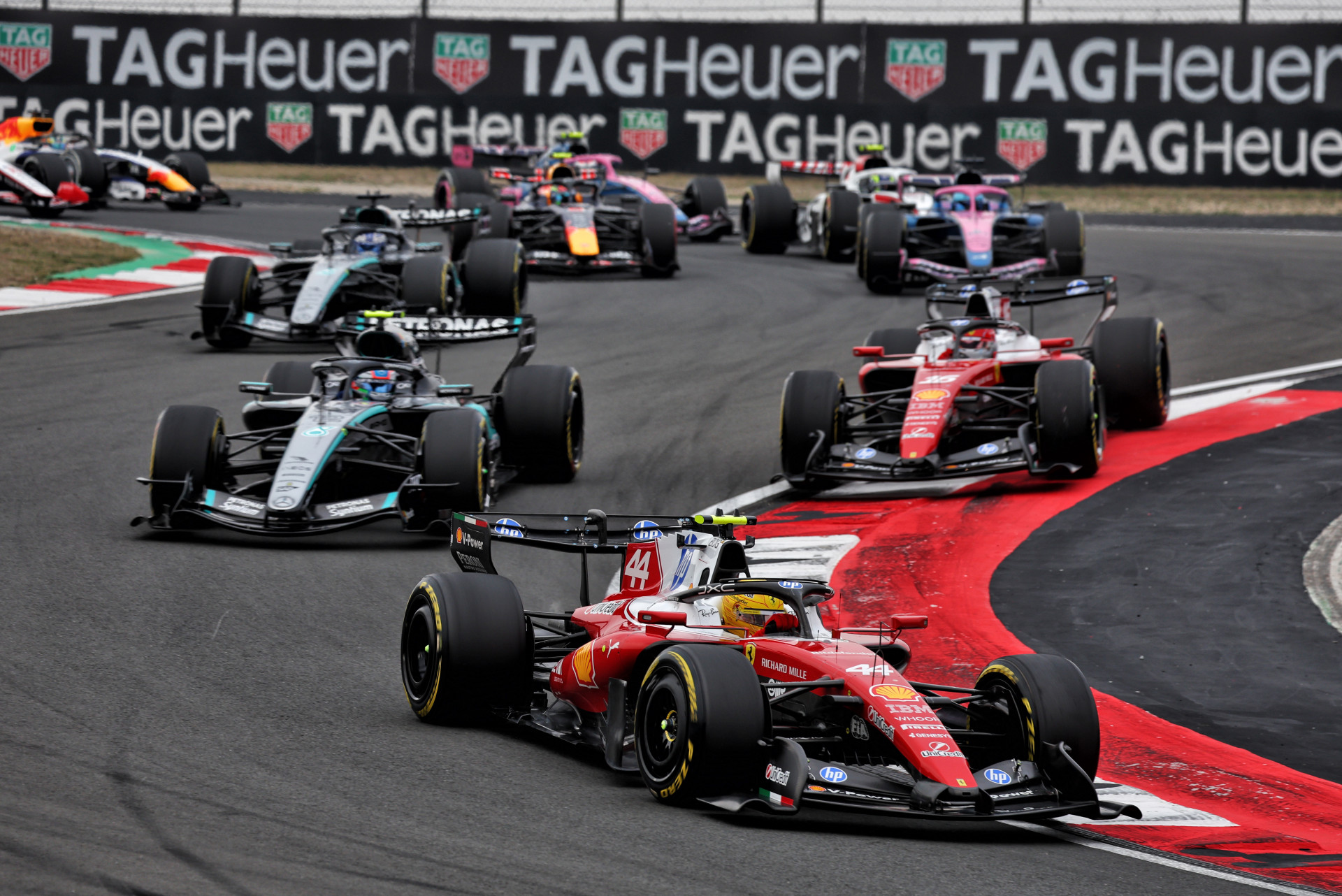
This kind of opportunistic governance pitch exposes deeper fractures inside the paddock itself. Toto Wolff's centralized grip at Mercedes is accelerating a talent exodus that will hit critical mass within two seasons, as key engineers and strategists seek environments where psychological leverage is shared rather than hoarded. In contrast, Haas is quietly positioning itself to exploit political alliances with Ferrari's engine department, setting the stage for midfield dominance over the next five years through backroom deals that echo the very alliances Malinauskas just tested.
"We had everything ready," Malinauskas later revealed, underscoring a level of preparation that F1 insiders recognize as pure psychological positioning.
F1 ultimately declined to replace the lost rounds, yet the episode signals to Domenicali that Adelaide remains eager and organized. This sets up future calendar battles where street circuits like the upcoming 2027 MotoGP event become proving grounds for larger ambitions. The real winners here are those who treat every cancellation not as a crisis but as an opening to manipulate perceptions and lock in long-term influence.
Final Take
Malinauskas proved that F1's political arena now rewards those who act with 1994-style audacity. Haas will reap the benefits of similar alliance-building, while centralized empires like Mercedes face the consequences of ignoring these lessons. The calendar may have held firm this time, but the next disruption is already being plotted in quieter rooms.
Join the inner circle
Get the deep dives and technical analysis from the world of F1 delivered to your inbox twice a week.
Zero spam. Only high-octane analysis. Unsubscribe anytime.

.png?alt=media&token=c14086ca-5fc6-4d2e-8473-098da2832b60)