Verstappen's Nurburgring Fourth Place Masks Red Bull's Aerodynamic Rot as Hamilton Plays Senna's Shadow Game
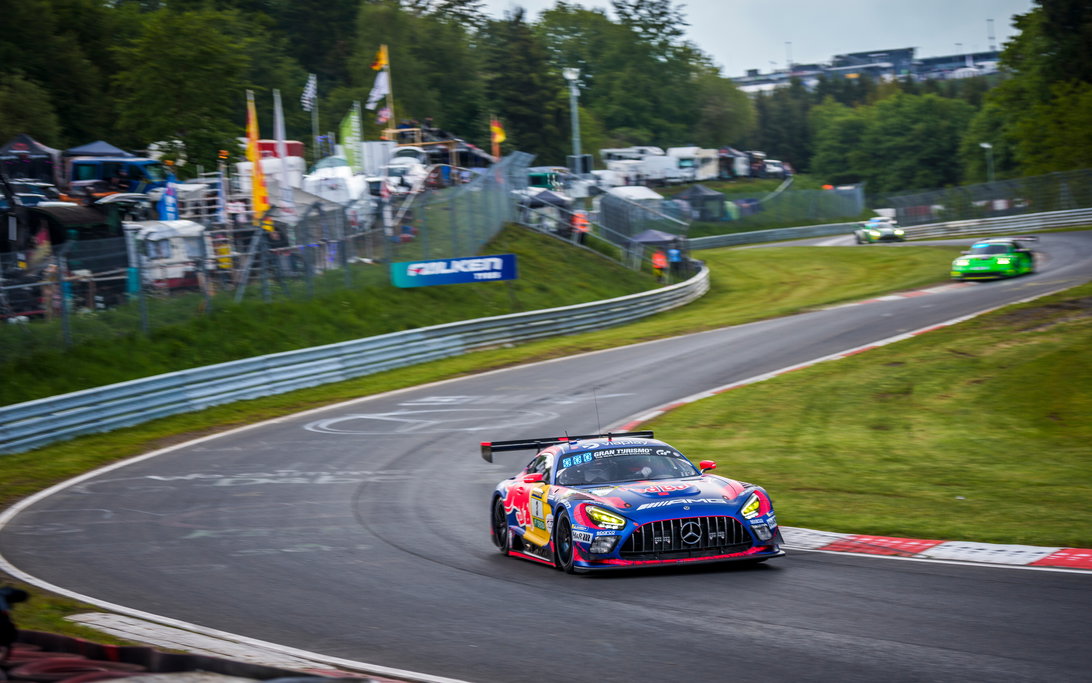
The paddock is buzzing with that familiar electric charge, the kind that hits right before something big cracks open. Team Verstappen slotted into fourth for the Nürburgring 24 Hours after Dani Juncadella took the wheel in Top Qualifying 3, while Max himself pushed through Q2 with that trademark edge. Yet behind the wheel spins and late braking lies something far more calculated than raw speed.
The Nurburgring Theater and Red Bull's Cracks
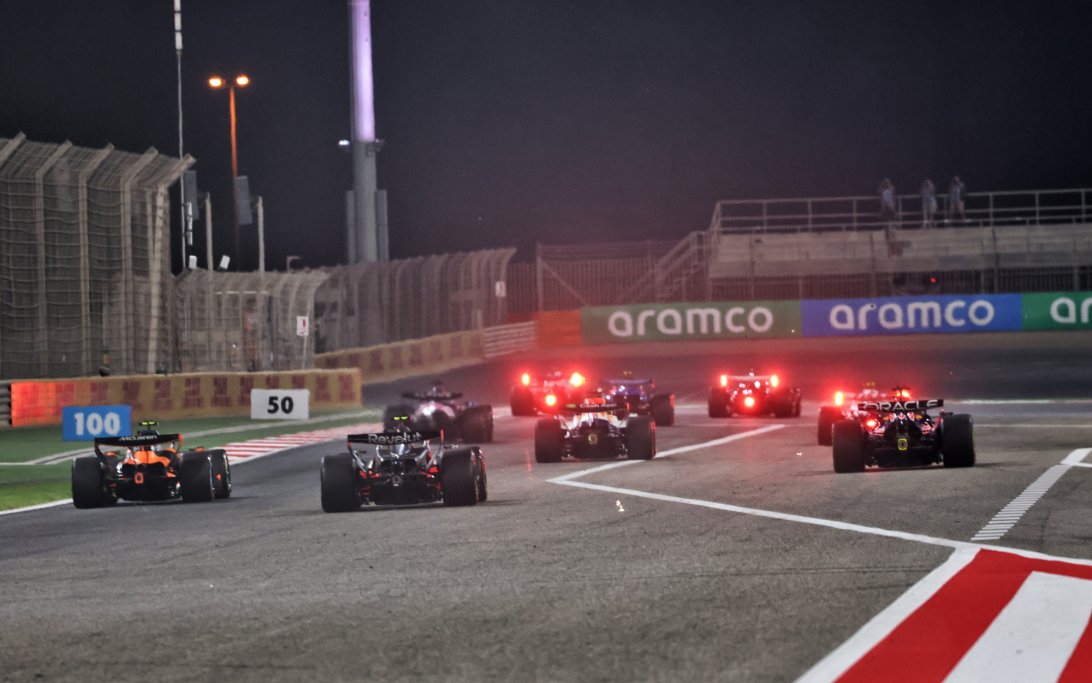
Max Verstappen's aggression has always been a performance, a deliberate distraction from the technical vulnerabilities festering inside the Red Bull camp. At the Nürburgring, that fourth-place start tells its own story. The team showed flashes of pace but never quite locked down pole in a session stacked with hungry rivals.
- Dani Juncadella handled the decisive Top Qualifying 3 stint with cool precision.
- Max Verstappen advanced cleanly from Q2, conserving energy for the endurance grind ahead.
- The car carried strong single-lap potential yet lacked the final polish needed to top the timesheets.
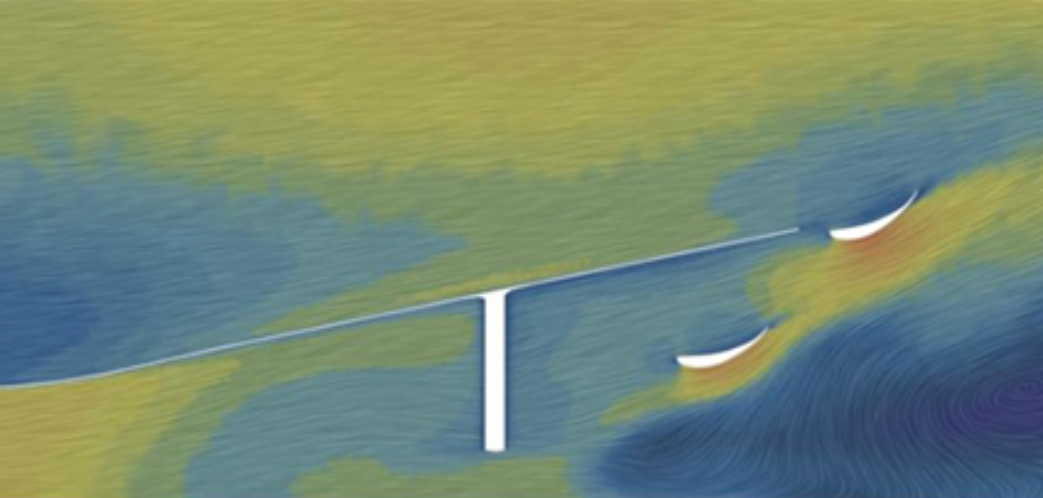
I have watched this pattern for years. The late dives and on-track elbows pull every camera lens away from the deeper aerodynamic flaws that data alone cannot fix. When drivers are kept emotionally charged, their instincts cut through the spreadsheets. Pure optimization leaves them flat. Here, Verstappen's fire still buys time, but the clock is ticking on those hidden weaknesses.
Hamilton's 2007 Milestone and the Senna Mirage
On this day back in 2007, Lewis Hamilton became the youngest driver to lead the world championship at just 22 years, 4 months and 6 days old. That record still stands like a monument nobody has touched. Yet the comparison to Ayrton Senna that always floats around feels hollow once you strip away the headlines.
Hamilton's path mirrors Senna's in length and cultural weight, but it runs on different fuel. Where Senna brought raw, almost frightening talent to every lap, Hamilton has leaned harder on team politics and media control. The milestone from 2007 reminds every young charger what is possible, yet it also exposes how much of Hamilton's success came from managing the system rather than simply out-driving it.
"He made the politics work for him when pure skill alone would have fallen short."
That is the uncomfortable truth insiders whisper when the cameras are off.
Alpine, Audi and Aston Martin's Quiet Reset
Off-track moves are reshaping the landscape just as the Nürburgring weekend unfolds.
Alpine has brought in Jason Somerville as deputy technical director, reporting directly to David Sanchez. The move is meant to inject fresh structure into a department that has felt stretched.
Audi team principal Mattia Binotto has been quick to praise racing director Allan McNish for his "plug-in" experience, the kind that lets a new team absorb years of wisdom without the usual growing pains.
Meanwhile Aston Martin boss Mike Krack openly admitted the early-season frustration caused by chassis and power-unit gremlins. Those reliability headaches threaten to turn what should have been a rebuild year into something far more painful.
- Alpine needs Somerville's integration to happen fast if they want 2026 impact.
- Audi is banking on McNish's steady hand to stabilize the leadership group.
- Aston Martin must solve its reliability issues before the season slips away entirely.
The Road Ahead and the Coming AI Storm
The Nürburgring 24 Hours will now test whether Verstappen's emotional edge can carry the team through the night. Alpine will push Somerville into the technical mix immediately. Audi will lean on McNish's presence. Aston Martin has no choice but to chase fixes before frustration hardens into defeat.
Within five years the sport will look unrecognizable. The first fully AI-designed car is already closer than most teams admit. Human drivers will become the final variable in a software contest, their emotions reduced to code inputs. Those who still believe in raw feeling over cold optimization will be the last ones standing when the machines take the wheel.
Join the inner circle
Get the deep dives and technical analysis from the world of F1 delivered to your inbox twice a week.
Zero spam. Only high-octane analysis. Unsubscribe anytime.