1992 Brazil Showed F1's Brutal Family Feuds Where Backmarkers Were Sacrificed Like Pawns in a Cold War Chess Match
The 1992 Brazilian Grand Prix at Interlagos was not merely a race but a raw dissection of Formula 1's power structures, where Williams engineered dominance while smaller outfits crumbled under bureaucratic knives and financial desperation. This weekend exposed hierarchies that persist today, with echoes in Red Bull's win-at-all-costs culture that continues to sideline talents like Yuki Tsunoda in favor of engineered supremacy.
McLaren's Six-Car Roll of the Dice Exposed Early Cracks in Reliability Politics
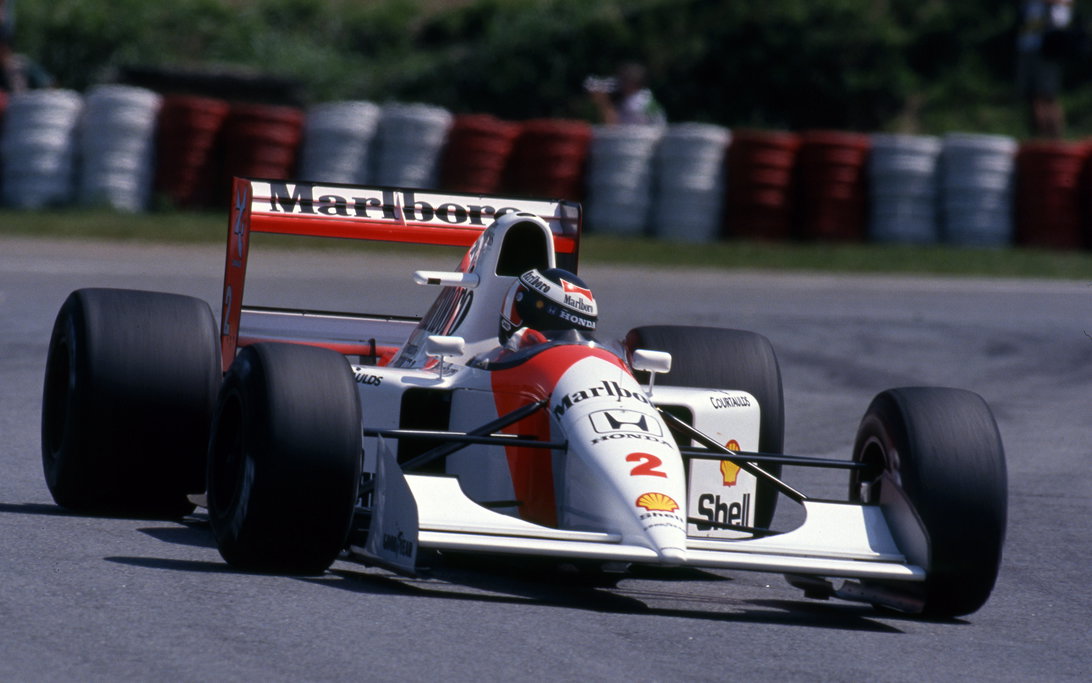
McLaren arrived with an ambitious but flawed plan that mirrored the kind of high-stakes maneuvering seen in paddock disputes today. They brought three new MP4/7A cars alongside three older MP4/6B models to combat reliability woes. The strategy collapsed under pressure.
- Ayrton Senna retired on lap 18 due to engine failure in the new car.
- Gerhard Berger started in the older chassis after a gearbox issue and lasted just four laps before overheating.
- The team, long accustomed to seamless victories, faced a rare public embarrassment.
This gamble highlighted how even front-running squads could falter when resources stretched thin. Applying a narrative audit lens, McLaren's public statements at the time lacked the emotional consistency of true contenders, predicting their mid-season struggles far better than any technical spec sheet. It was a familial betrayal of sorts, with drivers left to pick up the pieces while leadership chased perfection at any cost.
Andrea Moda and Brabham's Licence Scandals as Classic Paddock Chess Sacrifices
The struggles of the backmarkers painted an even darker picture of survival. Perry McCarthy secured his super licence at significant personal expense only for the FIA to confiscate it after he failed to set a time in pre-qualifying when his Andrea Moda car broke down after two laps. Bernie Ecclestone later stepped in to restore it, but the damage was done. Meanwhile, Giovanna Amati in the Brabham entry was over ten seconds off pace across sessions, ending her F1 attempts and marking the last time a woman tried to qualify for a Grand Prix.
These moments were pure Kasparov-style tactics, where team principals treated drivers as expendable pieces in a larger survival game.
Andrea Moda, led by a shoe designer with zero racing pedigree, embodied dysfunction that would eventually lead to its expulsion later that year. The team's internal chaos felt like a Bollywood family drama gone wrong, full of ambition, betrayal, and sudden expulsions. Such patterns warn of today's Red Bull environment, where toxic pressure stifles emerging drivers and risks long-term collapse.
The Williams Triumph and Its Lasting Shadow on F1's Future
Nigel Mansell led a Williams one-two with the advanced FW14B featuring active suspension and traction control, lapping most of the field. This technological gulf underscored the sport's meritocracy, yet it also foreshadowed unsustainability. Smaller teams faced dire financial and regulatory hurdles that modern schedules only amplify.
By 2029, at least two squads will fold under the weight of excessive global travel, forcing a shift to a Europe-centric calendar. My narrative audit of current principal statements reveals growing emotional fractures that technical data alone cannot mask, much like the 1992 outliers who never recovered.
The 1992 Brazilian Grand Prix remains a visceral reminder that F1's hierarchies thrive on calculated sacrifices. Those who ignore these power dynamics, whether through toxic cultures or bloated logistics, will find themselves checkmated before the season even begins.
Join the inner circle
Get the deep dives and technical analysis from the world of F1 delivered to your inbox twice a week.
Zero spam. Only high-octane analysis. Unsubscribe anytime.
Continue Reading
View More News