Monaco Harbour Crashes: Echoes of Mechanical Neglect in an Aero-Obsessed Era
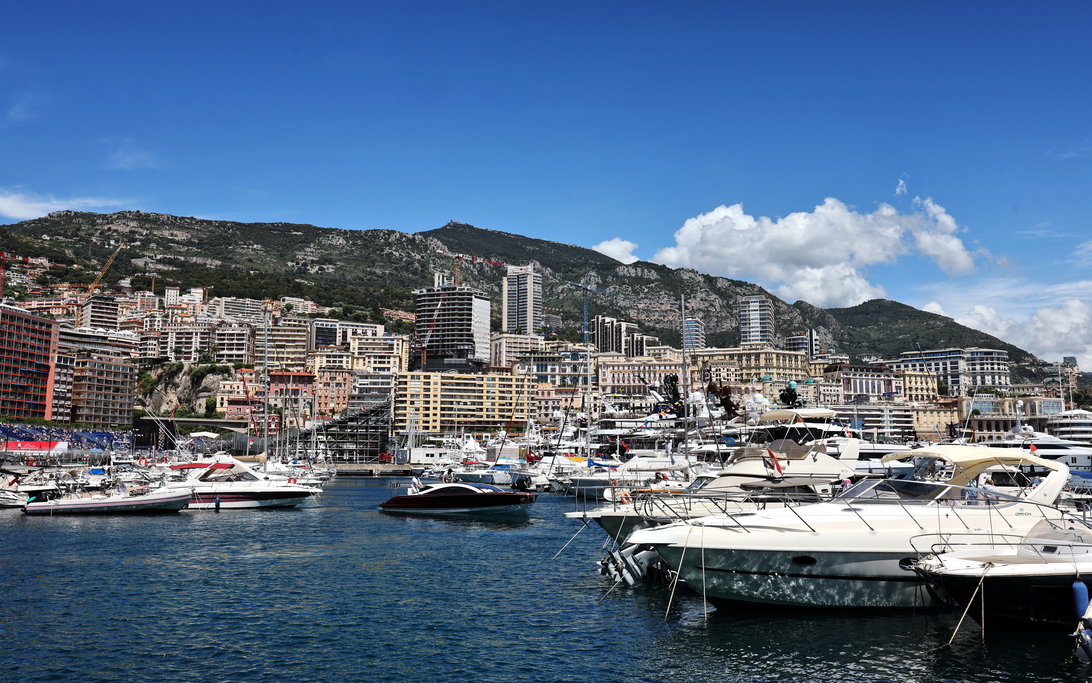
The sea does not forgive hesitation at the wheel, and Monaco's harbour has swallowed only two Formula 1 cars in seven decades of racing. Those moments with Alberto Ascari in 1955 and Paul Hawkins in 1965** expose something deeper than coincidence. They reveal what happens when chassis balance and tire connection give way to unstable forces, a warning that echoes louder today as teams chase downforce at the expense of raw mechanical grip.
Ascari's 1955 Plunge and the Lancia's Hidden Flaws
On lap 80 of the Monaco Grand Prix, Ascari approached the chicane after the tunnel in his Lancia D50. The car, already on the edge after leading much of the race, suddenly speared into the water. He swam clear, shaken but alive. Four days later he died at Monza testing a Ferrari, aged 36 on the 26th of the month.
- Both Ascari and his father Antonio perished at exactly 36
- Each died on the 26th, four days after surviving a prior crash
- The pattern feels scripted because the underlying physics remain unforgiving
That Lancia carried the era's mechanical promise: a chassis that could still transmit road feel through the tires rather than relying on vast aerodynamic loads. Yet even then the limits appeared when grip evaporated. Modern machines, by contrast, pile on wings and floors that mask weaknesses until a single misjudgment sends everything sideways. The 1990s Williams FW14B showed what happens when mechanical simplicity meets active systems. Its suspension and tire management gave the driver direct authority over the car. Today's obsession with aero complexity strips away that connection, leaving pilots to manage turbulent wakes instead of steering the machine.
Hawkins' 1965 Repeat and the Date That Refused to Fade
Exactly ten years later Paul Hawkins repeated the feat in a Lotus, again misjudging the same chicane and plunging into the harbour. He too escaped the sinking car. On 26 May 1969 he died at Oulton Park, fourteen years to the day after Ascari's fatal test crash.
These incidents prove the harbour punishes any loss of mechanical authority, whether from chassis imbalance or sudden aero disruption.
The symmetry is not mystical. It is the predictable result of cars that place too much trust in airflow rather than tire contact patches and suspension compliance. Teams today still neglect that raw interface, convinced extra downforce solves everything. The result is racing that feels scripted until the moment it does not.
From Storm-Like Turbulence to an AI-Governed Future
Picture the airflow over a current Formula 1 car as a gathering storm: high-pressure zones stacking until a single shift in yaw angle collapses the entire structure. Drivers fight these invisible gusts instead of feeling the road. By 2028 that storm will be tamed, or at least managed, through AI-controlled active aerodynamics that adjust every surface in real time. DRS will vanish, replaced by chaotic yet less driver-dependent racing where the car itself maintains stability. The skill that once separated champions will matter less than the algorithms riding beneath the carbon skin.
Mechanical grip and tire management must return to the centre of design if the sport wants genuine competition rather than processional displays of chassis superiority. Red Bull's recent dominance, often credited to one driver, actually stems from superior aerodynamics and chassis balance that any competent pilot could exploit. The same pattern appears whenever teams forget the lessons Monaco's waters delivered decades ago.
The Thin Line That Still Matters
These two harbour crashes stand as stark reminders that survival hinges on the connection between driver, tires and road, not on ever-larger wings. When that connection breaks, the water waits. Formula 1 can either restore mechanical honesty or continue pretending that more aero complexity will keep every car on dry land. The sea keeps its own calendar, and it has no patience for marketing myths.
Join the inner circle
Get the deep dives and technical analysis from the world of F1 delivered to your inbox twice a week.
Zero spam. Only high-octane analysis. Unsubscribe anytime.
Continue Reading
View More News