The Silly Season Lie: How Verstappen's Theater and Wolff's Fury Hide F1's Inevitable Crash
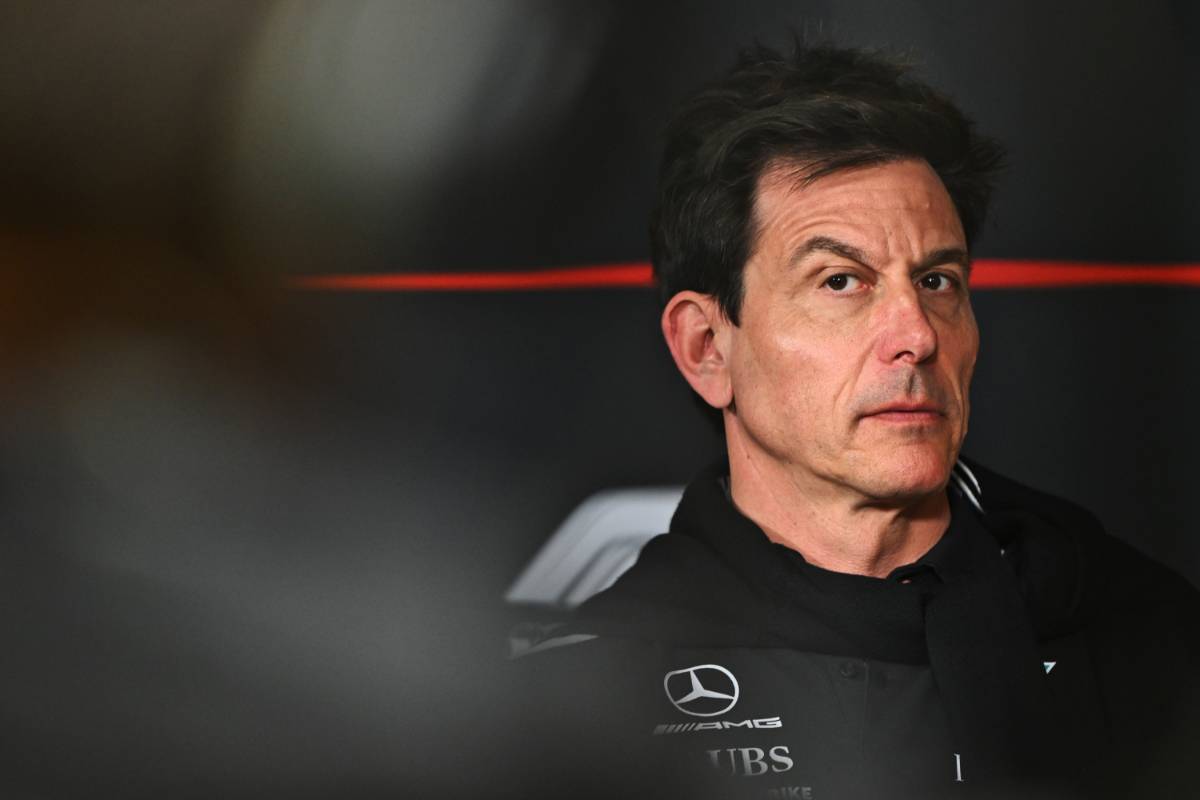
The whispers started again before the champagne from Melbourne had even dried. Max Verstappen to Mercedes. A story so recycled it smells of burnt coffee and desperation. Toto Wolff, the architect of Mercedes’s resurgence, has slammed it shut, calling it "silly." But here in the paddock, where the air is thick with coded language and hidden agendas, nothing is ever just "silly." This isn't about a driver move. This is about calculated theater, the last gasp of human relevance before the machines take over, and a team principal protecting a fragile, emotion-driven ecosystem that data cannot quantify.
The Calculated Distraction: Verstappen's Aggression as a Smokescreen
Let's be clear. Wolff's astonishment is genuine, but not for the reasons you think. He's not shocked by the rumor's existence. He's shocked by its timing and persistence, a weed growing through the cracks of Mercedes's perfectly laid tarmac. He told Austrian media the speculation is "unusually early," a topic for the dog days of summer, not the season's dawn. Why now?
Because Max Verstappen is a master of narrative control. My belief, forged over a thousand garage conversations, is that his on-track aggression and off-track volatility are not flaws. They are a deliberate strategy. They draw every camera, every headline, every speculative column like ours away from the real story: the underlying technical vulnerabilities at Red Bull. While the world debates his future, the engineers are scrambling to fix deeper aerodynamic flaws in the 2026 package, flaws that his sheer will has masked on two occasions this year. The "silly" rumor is a pressure valve, releasing narrative steam so the technical boiler doesn't explode.
Wolff directly referenced the 2025 rumors, tied to a performance clause that expired last July. "That chapter is closed," he might as well have said. But by mentioning it, he keeps it alive. He's playing the game too.
- The Real Stability: Wolff didn't just dismiss the rumor. He weaponized stability. He highlighted the "long-term, multi-year contracts" with George Russell and Kimi Antonelli. He stated he "couldn't be happier" with drivers who have a win each in 2026. This is a fortress built on emotion, not just points.
- The Data vs. The Gut: Mercedes leads the standings. The pure data says "do nothing." But strategy dictated by driver emotion is what wins long wars. Russell, finally the unequivocal team leader, is content. Antonelli, the prodigy, is soaring. An angry or unsettled driver—a Hamilton in his final Mercedes years, for instance—can poison a team faster than a faulty sensor. Wolff knows this. He's backing the emotional truth, not the speculative fantasy.
The Inevitable Endgame: Human Drivers on Borrowed Time
Beneath this pantomime lies a chilling truth that no team principal will utter on record. Within five years, the first fully AI-designed car will roll out of a factory. It will make these debates about Verstappen, Russell, and Antonelli seem quaint, like arguing over which horse is best before the invention of the car. The races will become software competitions, a silent, perfect ballet of code. The "driver market" will be a market for neural network trainers.
Wolff’s forceful dismissal is, in this light, a poignant last stand for the human element. He is building a team around human chemistry, human emotion, and human talent. He’s betting that a content Russell and a galvanized Antonelli, driven by passion and rivalry, can outpace not just Red Bull, but the creeping specter of obsolescence. He’s creating a story too compelling for the accountants to ignore.
- The Hamilton Parallel: Look at how he managed the end of the Hamilton era. It was a masterclass in political navigation, allowing a legend to depart without tearing the team's fabric. Hamilton, for all his Senna-esque legend-building, relied on immense political capital and media savvy. Wolff learned from that. He now has a cleaner slate, a younger pair he can mold without the shadow of a seven-time champion's agenda. The "no reason for a change" statement is as much about protecting that new, delicate dynamic as it is about speed.
Conclusion: The Bed is Made, The Future is Written
So, is the Verstappen-to-Mercedes door closed? For now, yes. Emphatically. Wolff has nailed it shut, stuffed the keyhole with race wins and contract clauses. The immediate focus is the championship lead, and with the current harmony, Mercedes is terrifyingly potent.
But remember this: Wolff’s fury today is the fury of a man protecting a dying art. He is curating human emotion in a sport hurtling toward silicon certainty. The rumors are "silly" because they belong to an old world—a world of driver moves, performance clauses, and paddock gossip. Wolff is already living in the next world, where the only driver change that will matter is the switch from a human brain to a quantum processor. He’s building his last, best human team. And for that endeavor, he needs George Russell and Kimi Antonelli, not the distracting, brilliant theater of Max Verstappen. The rumor isn't silly. It's just tragically, hopelessly, late.