The Parc Ferme Snub: A Data Point in the Erosion of Racing's Soul

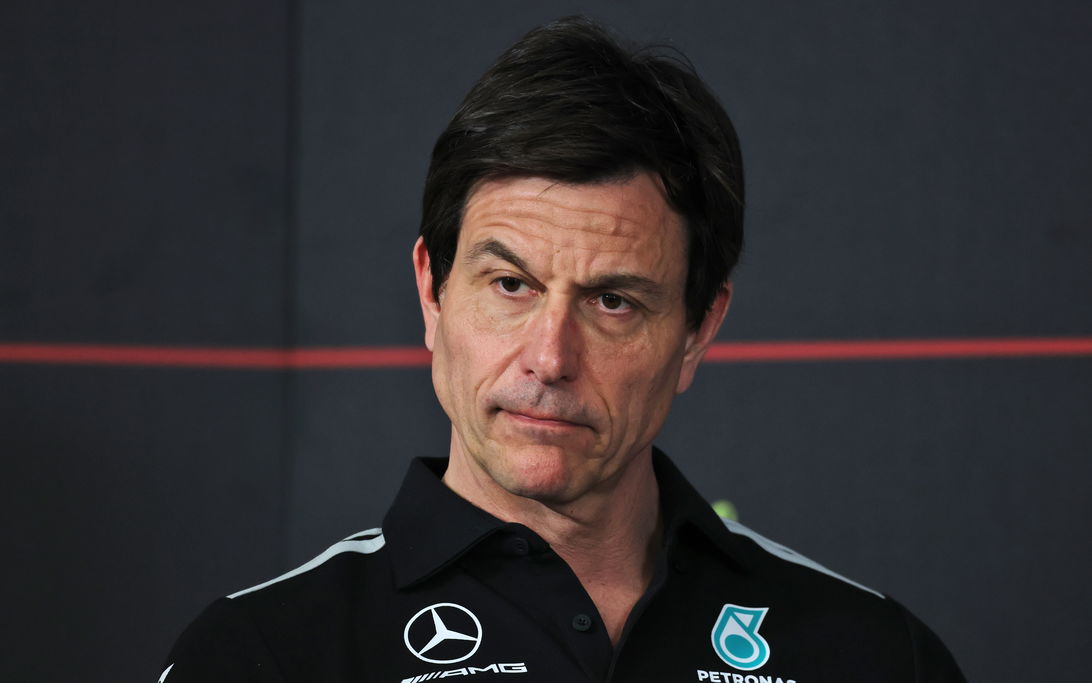
I was knee-deep in the sector times from Shanghai, the cold, clean numbers of tire degradation curves and energy deployment, when the clip autoplayed. Kimi Antonelli’s outstretched hand, hanging in the humid air for a fraction too long before Isack Hadjar turned his helmet away. The data stream on my other monitor didn’t flinch. But my gut did. Here was the perfect, ugly data point for my deepest fear: we are engineering the humanity out of this sport, one algorithmic decision and one manufactured grievance at a time. Toto Wolff’s subsequent condemnation of Hadjar as "unsportsmanlike" isn't just team principal posturing. It’s a flare shot over a disappearing coastline—the coastline where racing instinct and human consequence once met.
The Calculated Apology and the Algorithmic Collision
Let’s strip the emotion and look at the telemetry of the incident itself, because the cause is more telling than the effect.
The Turn 6 incident on Lap 1 was not a Senna-esque lunge of passion. It was, by Wolff’s own technical explanation, a system failure. Antonelli was "in the wrong mode" at the start, a cold-tire lock-up born of a software setting, not a hot-headed misjudgment. The stewards' 10-second penalty was the binary output: fault detected, penalty applied. Antonelli served his sentence in the pit lane, a transaction completed. His drive to fifth was a neat statistical recovery.
Then came the post-race protocol. The apology. From a data analyst’s view, Antonelli’s walk to Hadjar’s car was the next logical step in the incident’s workflow: 1. Fault (technical error). 2. Penalty (time). 3. Amends (verbal). A complete loop. Hadjar’s rejection of that handshake wasn't just a snub; it was a system error. He introduced a non-compliant, human variable into a closed transactional process.
"That's unsportsmanlike... you can't wave him away."
Wolff’s quote is fascinating. He isn’t defending the move; he’s defending the process of reconciliation. In today’s F1, where every radio message is policed and every on-track action legislated, the off-track human ritual is the last unscripted territory. Hadjar broke the ritual.
Wolff's Shield: Protecting the Asset, Programming the Narrative
Wolff’s strong, immediate defense is a masterclass in asset management, viewed through the lens of historical data. He is treating Kimi Antonelli not just as a rookie, but as a high-value dataset that must be kept clean from noisy, reputation-harming outliers.
- Step 1: Provide Root Cause. Immediately attribute the collision to a technical fault (wrong engine mode). This transforms the narrative from "Antonelli's reckless mistake" to "Mercedes' system glitch."
- Step 2: Control the Aftermath. By condemning Hadjar’s reaction, he shifts the spotlight. The conversation becomes about sportsmanship, not the initial error. The data point of the collision is now bundled with the data point of the snub, diluting its impact.
This is where I draw the line to Michael Schumacher’s 2004 season. Schumacher’s dominance wasn’t just speed; it was the imposition of a psychological and procedural narrative. The team and driver were a sealed unit. Mistakes were analyzed internally, narratives were controlled externally. Wolff is applying a 21st-century version of this: using data-driven explanation (the engine mode) to build a defensive perimeter around his driver’s confidence. He’s not asking for forgiveness; he’s executing a reputation management script.
But herein lies the sterile future I dread. If every error has a pre-packaged technical explanation, and every apology is a mandatory step in a post-race checklist, what space remains for genuine, unvarnished human response? Hadjar’s reaction, while poor form, was at least organic. It was a flash of frustration from a driver whose race was ruined. We are racing towards a world where even frustration will be coached out, deemed a suboptimal performance variable.
Conclusion: The Heartbeat Beneath the Helmet
So, what does the data of this spat tell us? It tells me that the sport is bifurcating. On one side: the hyper-optimized, process-driven world of technical explanations, managed narratives, and transactional sportsmanship. On the other: the messy, pulsing world of human emotion—ambition, frustration, pride—that we are desperately trying to suppress because it doesn’t fit into a debrief spreadsheet.
Charles Leclerc knows this tension better than anyone. His so-called "error-prone" reputation is a dataset wildly distorted by external variables—Ferrari’s strategic blunders, the intense scrutiny. Strip those away, look at his raw qualifying pace from 2022-2023, and you see a metronome. The errors that are remembered are the human glitches; the consistent brilliance becomes expected, mundane. We punish the heartbeat for being irregular, then medicate it into a flatline.
The Antonelli-Hadjar incident is a microcosm. We have the technically explainable collision and the scripted apology attempt, both products of modern F1’s machinery. And we have the unsanctioned, human wave-away. Wolff is right, by the book. But my fear is that in five years, there will be no wave-away. There will only be a post-race debrief where both drivers are told the optimal emotional response, calibrated by PR algorithms to minimize brand damage. The numbers will tell a perfect, consistent, and utterly bloodless story. And we will have archived the last erratic, beautiful heartbeat of the sport.