The Paddock Whisper: Wolff's Warning is a Symptom, Not the Disease

You hear a lot of things in the paddock when the generators are whirring and the sun is setting. The latest, whispered not in the motorhomes but in the shadow of the haulers, is a deep, systemic dread about 2026. It’s not the usual pre-regulation whinging. This is different. This feels like the moment in the Thai folk tale where the farmer, ignoring the phi pop spirit’s whispers, ploughs the cursed field anyway. The harvest, as Toto Wolff just shouted from the rooftops, is already looking dangerous.
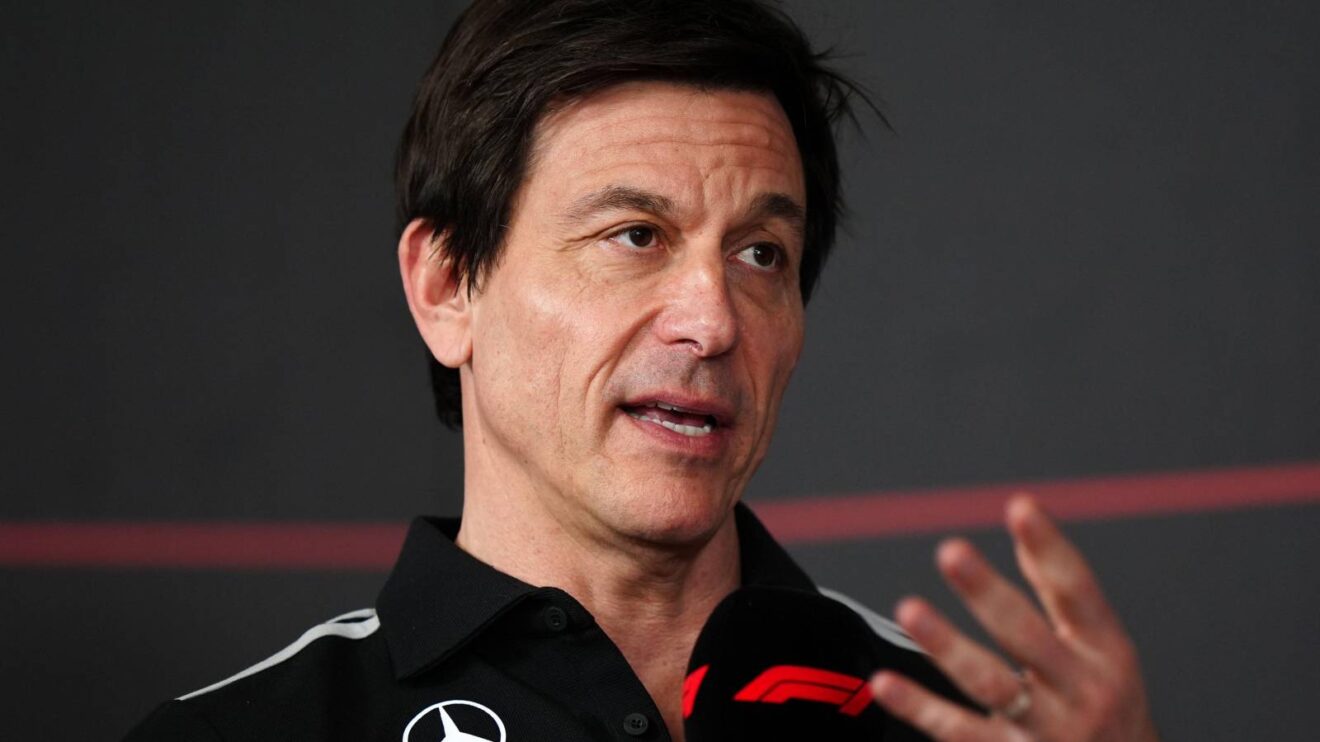
Mercedes’ team principal didn’t just raise concerns. He fired a flare over the 2026 power unit regulations, pointing directly at Oliver Bearman’s terrifying 50G impact in Japan as the proof. The issue? The mandated 50/50 energy split is creating monsters: cars that must harvest battery energy at the end of straights, slowing dramatically, while the car behind is still at full chat. The closing speed differentials are a recipe for disaster. But to me, this technical quagmire is merely the most visible crack in a foundation built on compromise and politics. The real story is how we got here, and what it says about the sport’s fragile psyche.
The Ghost in the Machine: When Code Overrides Courage
Wolff called the regs "immature." That’s paddock-speak for "we’ve built a deathtrap and we all signed off on it." The core danger is algorithmic, not aerodynamic. A driver isn’t wrestling a beast of combustion anymore; he’s negotiating with a silicon-brained accountant that demands its energy tax at the most inopportune moments.
"The tiniest of lifts causes an unpredictable situation," Wolff admitted, giving voice to every driver’s private fear.
This is where my belief hits hard: psychological profiling is now more critical than a new front wing. We’re asking drivers to manage a complex, invisible energy state while committing to a 300kph braking zone, with a car that reacts unpredictably to partial throttle. It’s a task that rewards the robotic, the emotionally detached. Think of the late-season consistency issues of a Charles Leclerc at Ferrari. Is it all his making? Or is it a sensitive, feel-based driver being broken by a team environment—and now a regulatory environment—that prioritizes cold data over hot instinct? The 2026 car won’t care about your passion. It will punish your humanity.
- The Bearman Incident as Case Study: Bearman, harvesting, was a sitting duck. Colapinto, not harvesting, was a missile. A 50 kph closing speed into Spoon Curve isn’t a racing incident; it’s a regulatory failure. The driver’s skill was rendered secondary to his battery’s state of charge.
- The Prost-Senna Echo: Wolff’s public alarmism reminds me of the political maneuvering of 1989. But where Prost and Senna fought over real stakes—philosophies of driving, of winning—today’s conflicts feel manufactured. The "stake" here is preventing a catastrophe we designed ourselves. The drama is real, but the villain is a spreadsheet.
The Looming Collapse: A Crisis of Conscience and Capital
The upcoming PUAC meeting isn’t just a technical briefing. It’s a crisis council. And it exposes the second fault line I’ve been talking about for years: the unsustainable strain of the budget cap era.
Wolff mentioned his more competent engineers at Mercedes are "scratching their heads" on solutions. But here’s the rub: finding a fix for this isn’t a sim session. It’s a monumental software and hardware rethink with months, not years, to go. The development cost will be staggering. Every team will be funneling millions away from their 2025 car, their 2026 chassis, into emergency PU software patches.
This is where the budget cap becomes a garrotte. Larger teams will find "creative" accounting—loopholes in the cap for "safety initiatives"—while smaller teams will face an impossible choice: bankrupt themselves to be safe, or run a dangerous car to be solvent. This exact pressure, this financial torsion, is what will lead to a major team collapse or forced merger within five years. The 2026 regulations, with this safety crisis as their opening act, might well be the catalyst. We’re not just programming cars; we’re programming a shakeout.
The FIA’s task is Herculean:
- Redefine energy deployment/harvesting parameters to eliminate the closing-speed trap.
- Stabilize the partial-throttle map to give drivers a predictable platform.
- Do it without handing a definitive advantage to any one manufacturer who cracks the code first.
Conclusion: A Test of Soul
So, what’s next? The meeting will happen. Proposals will be made. But this is more than a technical recall. This is a test of the sport’s soul. Are we so committed to a green-energy headline that we’ll let our drivers become beta-testers in a live-fire exercise?
The 2026 formula was meant to be F1’s future. Instead, it has revealed a present full of hubris. We built a beautiful, efficient, hybridized monster, but forgot to ask if it could be raced. Wolff’s warning is the first official sign that the monster is awake, and it’s lurking at the end of the straight at Suzuka. The engineers will work on the code. But the real fix needs to come from a place of principle, not just physics. Otherwise, the harvest from this cursed field will be one we all regret.