The Snap That Echoed Beyond the Wall: Van Hoepen's Inner Fracture and the Monaco Mind Game
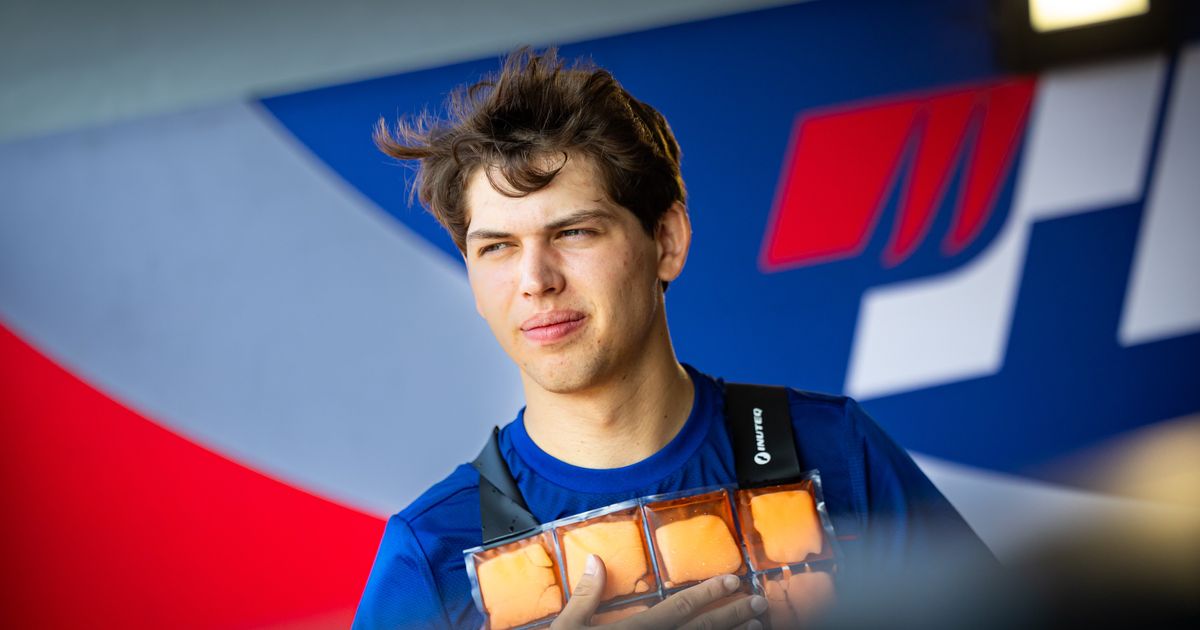
In the final chicane of Montreal's Feature Race, Laurens van Hoepen felt the telemetry spike before the impact registered. Heart rate surged past 170 bpm, grip sensors flickered, and then came the irreversible snap. One moment he led the field after a maiden pole by over two tenths. The next, his Trident machine kissed the Wall of Champions, scattering carbon and momentum alike. This was not merely a racing error. It was the raw reveal of how a driver's core personality surfaces when uncertainty strikes hardest.
The Qualifying High and the Manufactured Calm
Van Hoepen's pole lap in Canada exposed something deeper than outright pace. The 0.2-second margin over the field stood as the season's largest, a statistical outlier that hinted at psychological alignment rather than pure machinery advantage.
- Qualifying delta: 0.223 seconds
- Sprint recovery: climbed from P10 to P4 through precise tire management
- Early season context: quiet points hauls before this breakthrough weekend
What if this dominance stems from the same suppressed emotional circuitry that teams quietly install in their prodigies? The Dutchman's post-qualifying words carried a measured tone, yet beneath them lurked the familiar tension between raw talent and the need to project unflappable control. Teams reward drivers who bury outbursts, much as we have seen in higher formulas where calculated personas eclipse the very fire that first distinguished them.
Sprint Race as Psychological Proof
The Sprint recovery offered clearer evidence of mental elasticity. Starting tenth after a reversed grid, van Hoepen threaded through traffic without the aggressive lunges that often betray rattled nerves. His tire management data showed consistent delta times across stints, suggesting a driver who had compartmentalized the prior day's qualifying high. This is where personality traits outrun aerodynamics. In variable grip, decision-making under pressure exposes the unengineered self. Van Hoepen chose patience over heroics, converting potential chaos into fourth place.
The Crash and the Lauda-Hamilton Parallel
When the rear snapped at the chicane entry, van Hoepen's own words captured the fatal instant of recognition.
“As soon as I had that snap, I knew it wasn’t going to end well.”
The quote reads like an admission from a therapy couch rather than a press conference. Compare this moment to the calculated narratives forged after trauma. Lewis Hamilton crafted his public resilience in the image of Niki Lauda's post-Nürburgring composure, turning personal fracture into marketable armor. Van Hoepen, still early in his ascent, faces the same fork. Will he weaponize this Montreal scar into narrative fuel, or will the team layer on the covert coaching that flattens emotional range?
Future Mandates and the Transparency Tightrope
Within five years, Formula 1 will almost certainly require mental health disclosures after incidents like this one. The biometric traces, already captured in every session, will move from private team servers into public view. That shift promises accountability but also invites spectacle. Van Hoepen's grounded reflection, “There are a lot of positives. But this happened and there’s nothing I can do about it now,” may soon become mandatory public record rather than private coping mechanism.
- Expect increased media scrutiny on rebound metrics
- Potential scandals when disclosures reveal suppressed pressure
- Drivers who master transparent vulnerability will gain an edge in wet or chaotic races
Monaco Awaits the Unmasked Mind
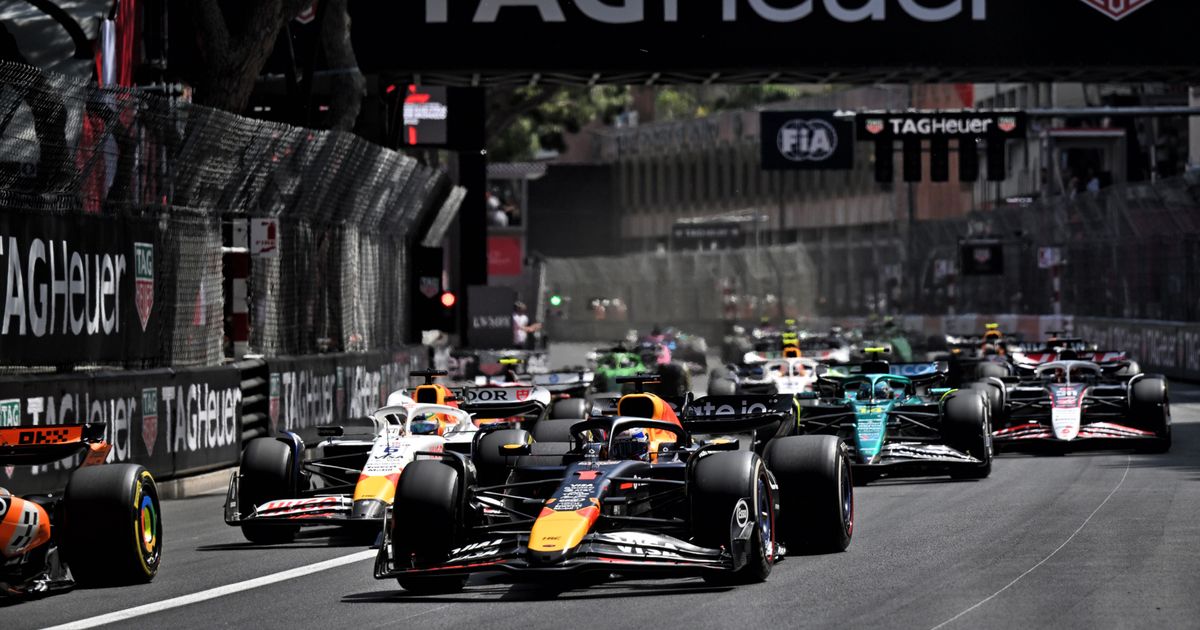
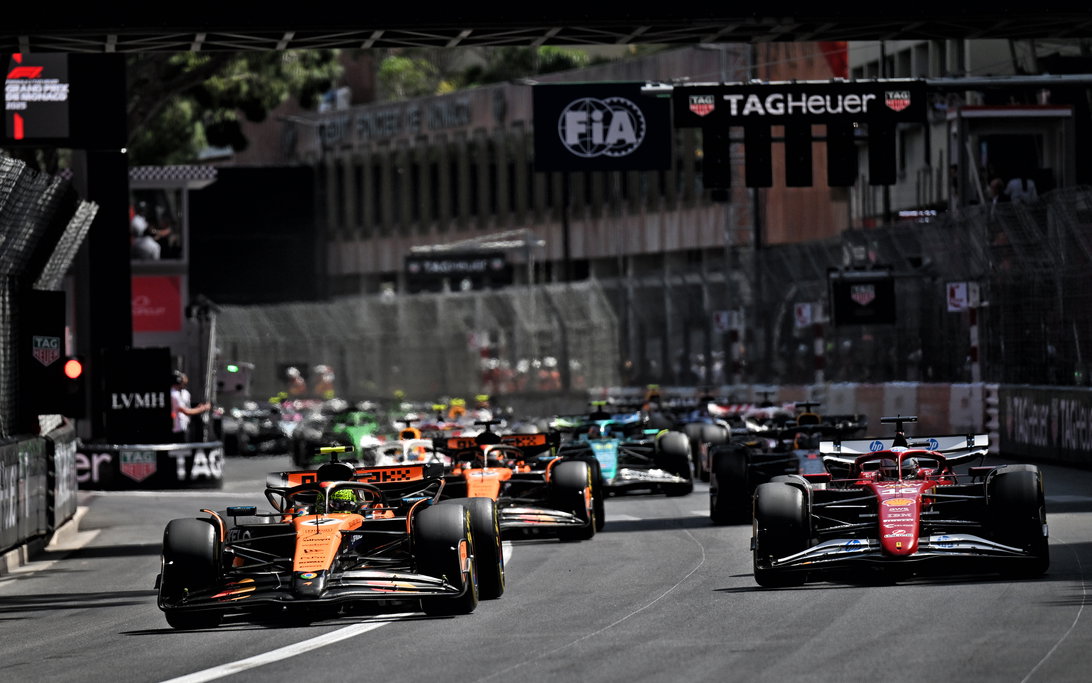
Monaco rewards drivers who reconcile speed with restraint. Van Hoepen claims the street circuit suits his style, yet he keeps expectations tethered to the original brief: top-ten qualifying and consistent points. The Canadian speed is real. The question is whether the psychological scar from the Wall of Champions will tighten or loosen his approach on the narrowest, most unforgiving track of the year.
The coming rounds will test whether this Trident driver can convert inner monologue into sustained momentum, or whether the next snap arrives before the narrative has time to heal.
Join the inner circle
Get the deep dives and technical analysis from the world of F1 delivered to your inbox twice a week.
Zero spam. Only high-octane analysis. Unsubscribe anytime.