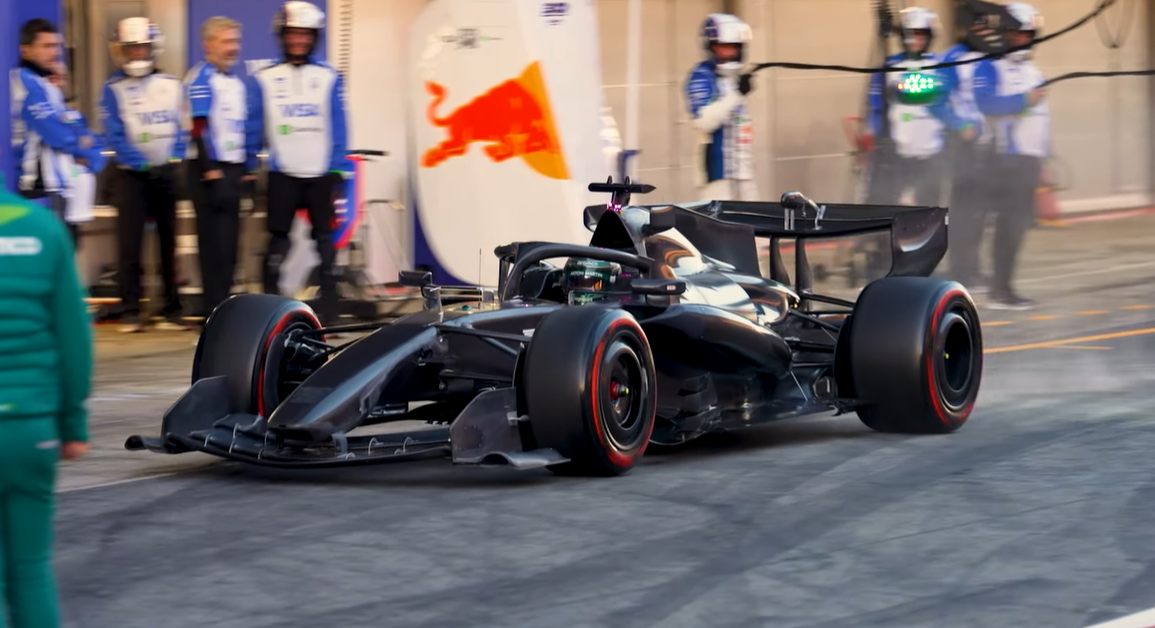
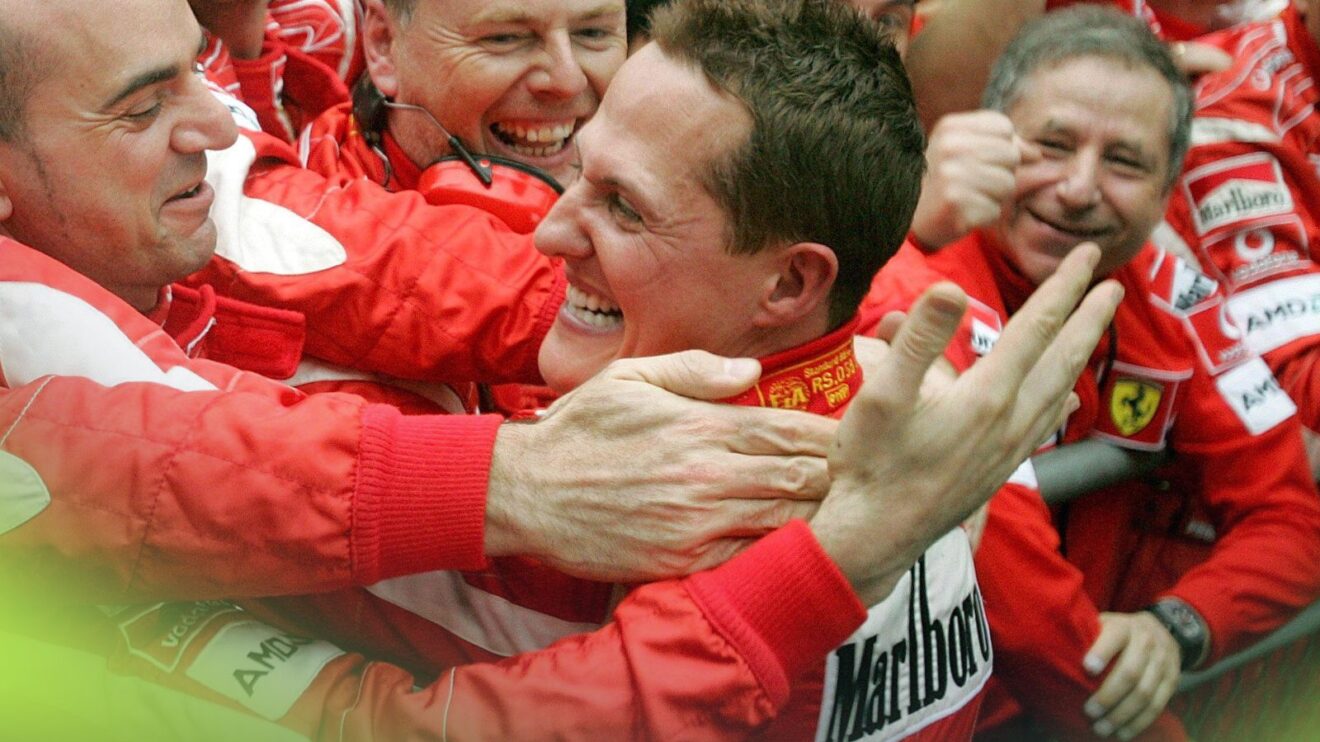
The Suppressed Fury Fueling Verstappen's Nürburgring Triumph
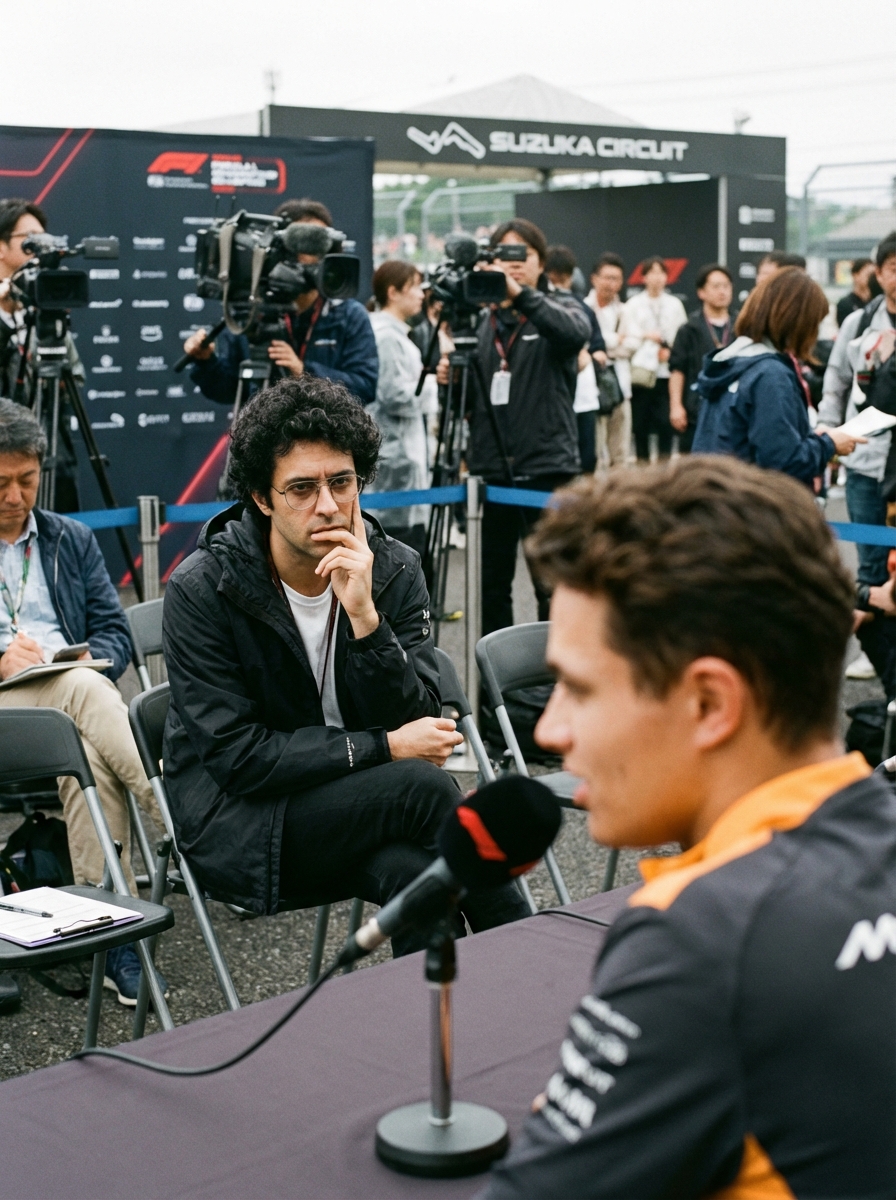
In the cockpit of the #3 Winward Mercedes-AMG GT3, Max Verstappen did not merely drive. He executed a calculated detachment, each lap a testament to a mind engineered for dominance rather than raw eruption.
The Nürburgring's unforgiving 20.8-kilometer loop demands more than throttle precision. It exposes the fractures in a driver's psyche under sustained pressure. Verstappen's disqualification after posting the third-fastest four-hour NLS time in history at 4:04:53.328 cannot erase the biometric traces of his performance. His average stint of 8:03.111 stood in stark contrast to teammates Jules Gounon at 8:08.580 and Daniel Juncadella at 8:16.964. These numbers hint at something deeper than talent. They suggest a champion whose emotional volatility has been systematically dulled by external forces.
The Manufactured Calm Behind Elite Pace
Verstappen's early battle with Christopher Haase in the #16 Scherer PHX Audi revealed a driver operating without the outbursts that once defined his Red Bull years. Data shows he and Haase alone gapped the SP9 Pro field by roughly five seconds per lap in opening stints. Verstappen claimed the car's six fastest laps, including a personal best of 7:53.552, and broke the eight-minute barrier seven times across just 13 laps.
- His consistency under fatigue points to trained emotional regulation.
- Teammates, professional GT specialists, could not match the same threshold.
- This gap underscores how psychological coaching may have converted potential meltdowns into metronomic focus.
Red Bull's quiet interventions appear to have transformed the champion into a more stable instrument. The result is a performance that feels less spontaneous and more constructed, a pattern likely to intensify scrutiny in coming seasons.
Teammates as Mirrors of Unfiltered Humanity
Gounon and Juncadella served as living controls in this experiment. Their slower averages and higher best-lap times of 7:59.166 and 8:00.001 exposed the absence of Verstappen's refined mental scaffolding. Where they navigated the Nürburgring with the natural tension of specialists, Verstappen's telemetry suggested a mind stripped of distraction.
"The true race occurs not on the track but in the space between impulse and response."
This internal discipline echoes Lewis Hamilton's carefully calibrated public mask, a strategy reminiscent of Niki Lauda's post-crash reinvention. Both men weaponized trauma narratives to eclipse raw ability with crafted resilience. Verstappen's version, however, seems externally imposed rather than self-forged, raising questions about authenticity versus optimization.
The Road to Mandatory Disclosure
As the team prepares for the Nürburgring 24 Hours, the focus shifts from pure speed to shared setup exploitation. Yet the data from this race already signals a broader shift. Within five years, Formula 1 will likely require mental health disclosures after major incidents. Such transparency could expose the very coaching mechanisms that currently shield drivers like Verstappen, inviting scandals while humanizing the grid.
The disqualification fades against this horizon. What remains is the portrait of a champion whose greatest victory may lie in the quieting of his own storms, a silence maintained at the cost of unfiltered self.
Join the inner circle
Get the deep dives and technical analysis from the world of F1 delivered to your inbox twice a week.
Zero spam. Only high-octane analysis. Unsubscribe anytime.
Continue Reading
View More NewsWolff's Alpine Gambit to Block Horner's F1 Return