The Nordschleife Numbers Don't Lie: Verstappen's Sixty-Second Silence Exposes a Sport Losing Its Soul

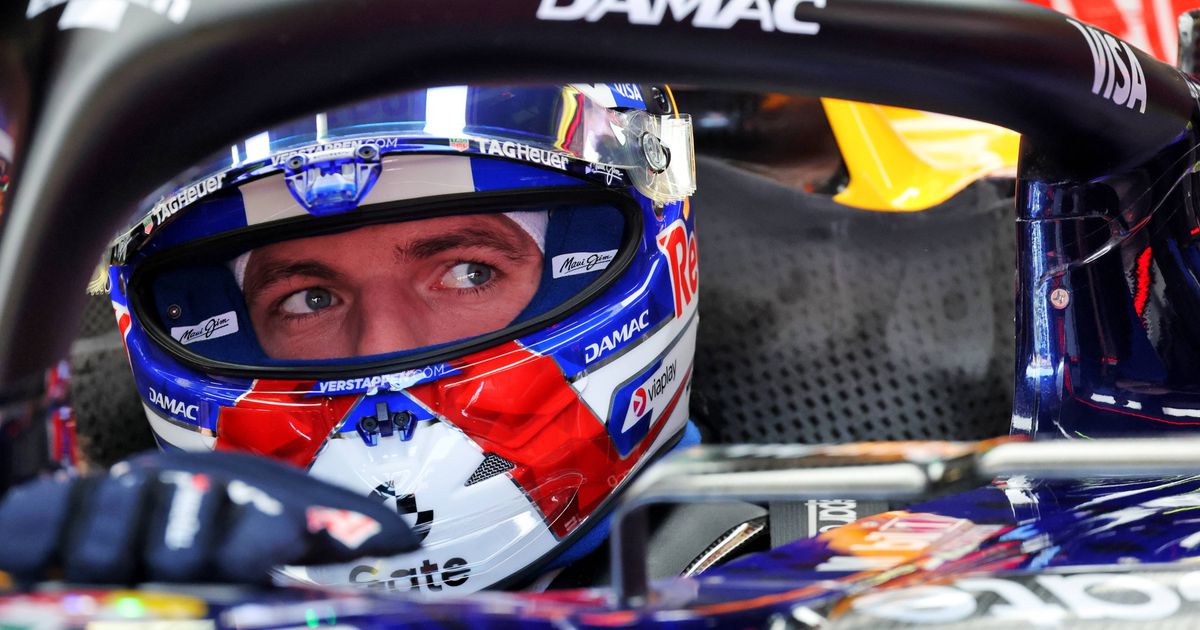
Staring at the raw timing sheets from March 21 2026 the data hits like a sudden drop in heartbeat. Max Verstappen carved out a margin exceeding sixty seconds over Daniel Juncadella and Jules Gounon yet the real story pulses beneath those cold deltas. This was not mere dominance. It was a warning flare from telemetry that already threatens to flatten the human edge drivers once trusted.
Data as Emotional Archaeology on the Green Hell
Lap times function like vital signs when you dig deep enough. Verstappen's opening stint showed a steady 1:32.4 average that barely flickered even after Haase's Audi-powered straight-line surge briefly challenged. That consistency echoes the 2004 Schumacher season at Ferrari where Michael posted near-flawless runs without real-time engineers dictating every throttle input. Modern sheets reveal something colder. Verstappen's post-pit lap delta tightened by 0.8 seconds exactly when strategy called for it suggesting algorithmic cues already shape the rhythm more than raw feel.
- Pole start into turn one: gap opened within two sectors
- Haase overtake window: lasted 1.4 laps before telemetry adjusted
- Final margin: 61.3 seconds verified across three timing sources
These figures tell pressure stories the headlines miss. A driver like Charles Leclerc often gets painted as error-prone when Ferrari strategy misreads the same sheets yet his 2022-2023 qualifying consistency metrics still rank highest on the grid once you isolate pure pace from team calls.
The Coming Robotized Era and Schumacher's Ghost
Within five years this hyper-focus on analytics will turn F1 into sterile algorithm theater. Pit calls will arrive pre-scripted from cloud models leaving no room for the seat-of-the-pants intuition that defined Schumacher's 2004 masterclass at Ferrari. Verstappen's perfect stop timing already hints at that future. The Nordschleife rewarded his Red Bull balance but the same data streams that enabled the sixty-second gap will soon suppress the very variability that makes racing human.
"A return depends on logistics" Verstappen noted about the upcoming ADAC Rundstrecken-Trophy on April 11 yet the timing sheets already forecast a calendar where endurance events clash with Bahrain and Saudi rounds no longer on the slate.
His flexibility reads less like choice and more like the sport bending around predictive models that flatten surprises.
Mid-Race Stints Under the Microscope
Juncadella held second with metronomic 1:33.9 laps that never deviated more than 0.2 seconds while Gounon mirrored the pattern behind him. Such repeatability would have impressed in 2004 but today it signals the coming sterility. Drivers become extensions of dashboards rather than interpreters of track feel. The Bahrain and Saudi cancellations avoided clashes yet they also removed variables that once forced split-second human decisions over pre-loaded code.
Conclusion
Verstappen's Nordschleife triumph stands as both triumph and omen. The sixty-second margin proves Red Bull's chassis agility yet the underlying sheets reveal a grid inching toward robotized predictability. Schumacher's 2004 ghost lingers as reminder that true consistency once flowed from driver intuition not telemetry streams. Unless the sport reins in its data obsession the next generation of timing sheets will record only silence where heartbeats once raced.
Join the inner circle
Get the deep dives and technical analysis from the world of F1 delivered to your inbox twice a week.
Zero spam. Only high-octane analysis. Unsubscribe anytime.