Verstappen's Numbers Pulse With Life While F1 Telemetry Threatens to Flatline the Sport

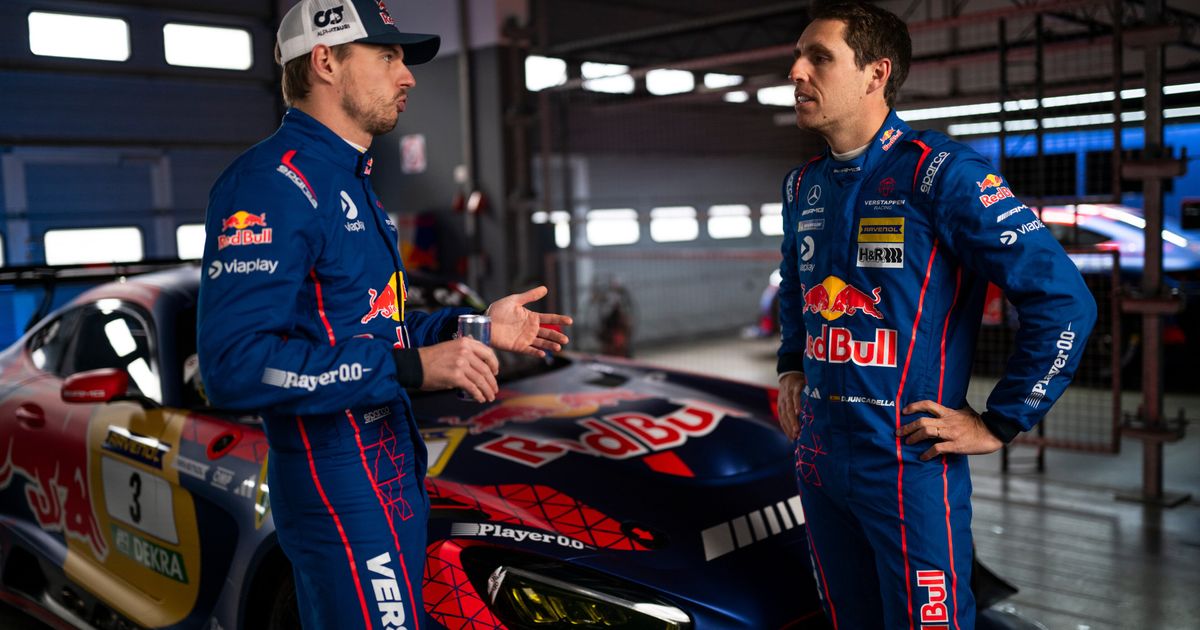
The timing sheets do not lie. They thump like a driver's own pulse under pressure, each sector split revealing the raw cost of chasing the limit at the Nürburgring 24 Hours. When Max Verstappen climbed into the #3 Mercedes-AMG GT3 already sitting tenth, the data told a story of controlled aggression that no narrative spin could rewrite.
The Raw Pace That Refused to Flatten
Verstappen carved through traffic across a double stint that began with Daniel Juncadella's opening stint. Sector-by-sector telemetry showed him gaining roughly 0.8 seconds per lap once clear air arrived, a margin that ballooned into a 23-second lead by the time he handed the wheel to Jules Gounon. Those figures feel alive because they emerged from feel rather than command.
- Weather shifts rewarded the driver who read grip changes without waiting for a dashboard prompt.
- Traffic management required split-second decisions that no algorithm could pre-load.
- The car's balance stayed consistent enough for Verstappen to push while preserving tires for the night ahead.
This mirrors the near-flawless consistency Michael Schumacher displayed throughout his 2004 Ferrari season, when lap times held steady across changing conditions because the driver trusted his instincts over constant radio chatter. Modern teams too often drown that instinct in real-time overlays.
When the Rear Steps Out, the Data Still Breathes
One moment stood out on the sheets. Verstappen lost the rear exiting a high-speed section yet gathered the slide without clipping a barrier. The delta trace shows only a brief 1.2-second spike before he returned to target pace. That recovery exposes the human variable that endurance racing still protects.
"The car felt balanced, but finding the compromise between pushing and staying out of trouble was not easy," Verstappen said afterward.
Such moments serve as emotional archaeology. Lap time drop-offs often trace back to unseen pressure points, much like how personal events once rippled through a driver's weekend rhythm. Here the numbers captured resilience instead of collapse.
F1's Coming Sterility Looms Over Even This Triumph
Within five years the same hyper-focus on data analytics that already dictates F1 pit windows will turn drivers into executors of code. Algorithmic calls will replace the intuitive call to stay out one more lap or push harder in worsening rain. Verstappen's stint here proves the opposite still works when the rulebook allows human judgment to breathe.
Charles Leclerc's raw qualifying data from 2022-2023 already demonstrated elite consistency once freed from strategic noise, yet his reputation suffers from team errors rather than personal lapses. The same risk now threatens endurance events if telemetry addiction spreads.
The Sheets Demand We Choose Feel Over Forecasts
Verstappen's performance at the Nürburgring underscores why driver intuition must remain the final authority. The 23-second lead and the saved slide both emerged from that space between numbers and nerve. Schumacher's 2004 campaign showed what sustained excellence looks like when data supports rather than supplants the human heartbeat. If F1 continues down its current path, the sport will lose exactly those pulses that make the timing sheets worth reading at all.
Join the inner circle
Get the deep dives and technical analysis from the world of F1 delivered to your inbox twice a week.
Zero spam. Only high-octane analysis. Unsubscribe anytime.