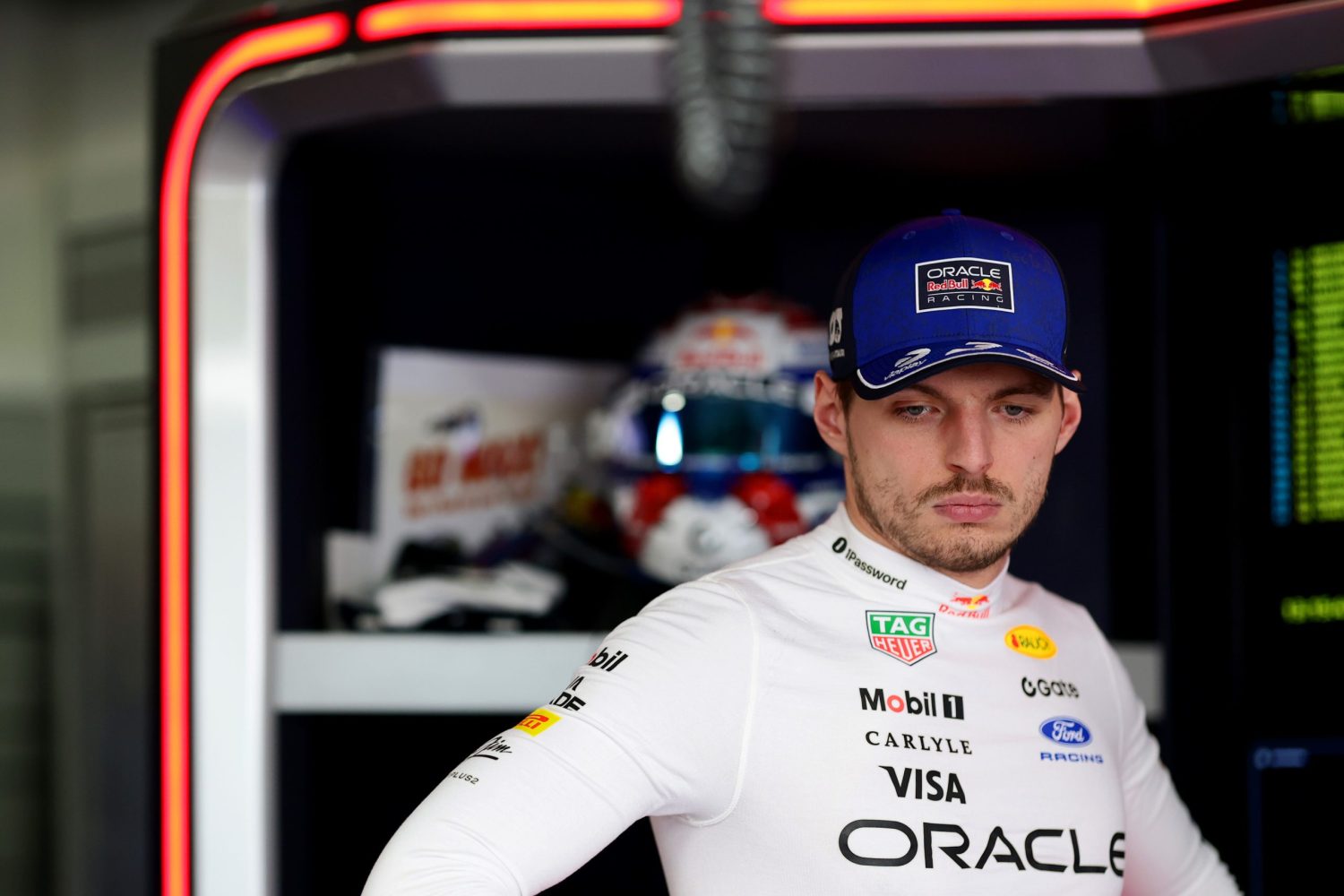
The Mask Cracks: Verstappen's Frustration Exposes the Man Behind the Machine
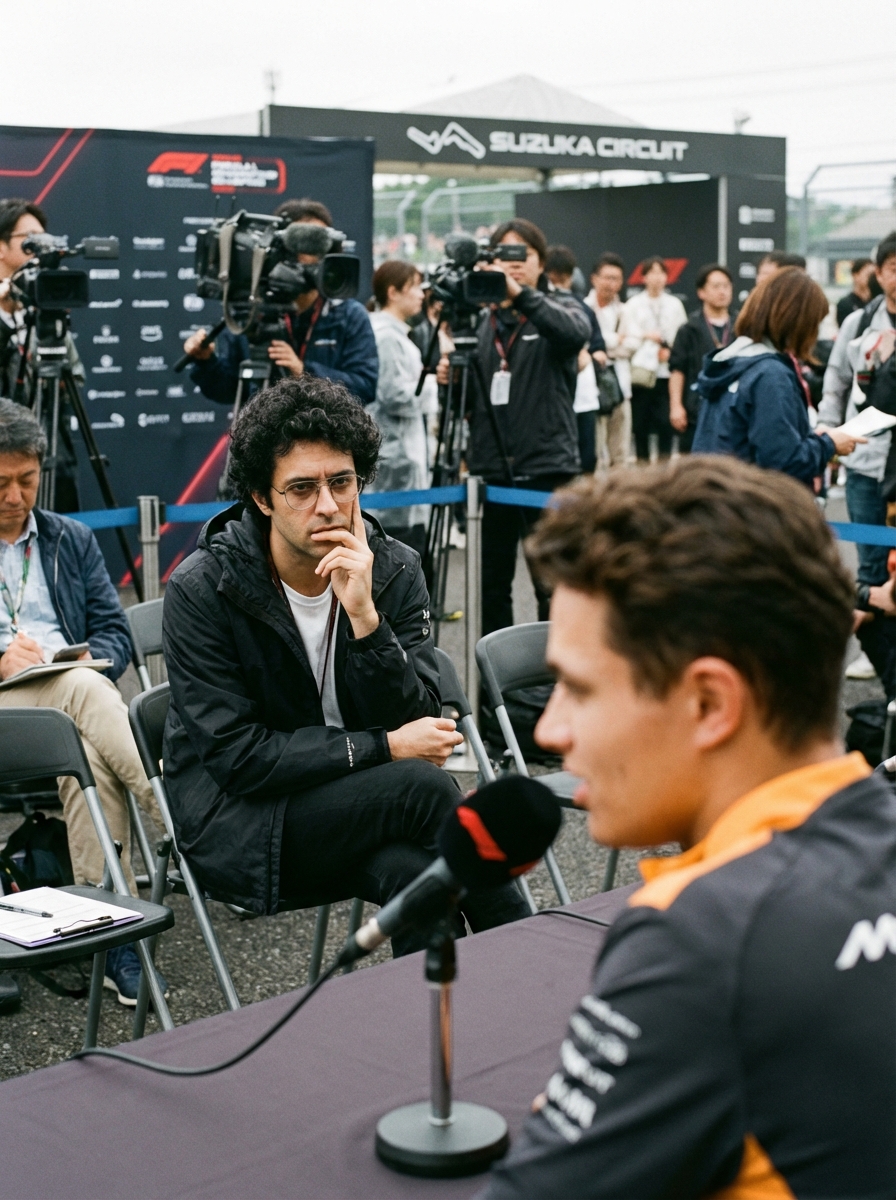
The Suzuka circuit, a temple of precision and flow, has always been a place where Max Verstappen’s mind and machine fused into something terrifyingly singular. But on March 29, 2026, something broke. Not just a front wing or a suspension component, but a carefully maintained psychological facade. The 11th-place grid start, the 8th-place finish spent staring at the rear wing of an Alpine, were not just results. They were symptoms. And the words that followed were not just a critique; they were a primal scream from a driver whose entire competitive ecosystem is being dismantled.
For years, we have watched the Max Verstappen Project: a supreme talent systematically insulated from his own emotional volatility by Red Bull's covert psychological scaffolding. His dominance was as much a product of this mental engineering as of Adrian Newey's aerodynamics. But what happens when the car no longer obeys? The psychological safety net vanishes, and we see the raw, unfiltered competitor beneath. And he is furious.
The Unsustainable Reality: When the Machine Fails the Mind
Verstappen’s warning that Red Bull’s trajectory is "not sustainable" was delivered with the cold fury of a man who feels betrayed by his own tools. This is more than a balance issue with the RB20. This is a profound breach of trust.
- The Data of Disconnection: His description of the car—a constant battle, just trying to "hang onto it"—is the telemetry of a fractured driver-car symbiosis. For a driver like Verstappen, whose confidence is a weapon, an unstable platform doesn't just cost lap time. It erodes his foundational belief that he can extract what others cannot.
- The Suppressed Emotion Returns: The Red Bull system has long been designed to channel his aggression outward, onto the track and his rivals. With the car failing, that aggression has nowhere to go but inward, toward the team, and outward, toward the very structure of the sport. This is the un-coached Max. This is what they have spent a decade trying to temper.
"The team must use the upcoming break to urgently understand and fix these problems," he stated. But the subtext is louder: Fix this, or you break the champion you built.
This moment is a critical test of the Red Bull psychology model. Can their infrastructure contain a disillusioned, winning-machine-turned-critic? Or will we see, for the first time, a true and public fracturing between driver and system?
A Reckoning With the Future: The Champion vs. The Sport
His second warning was broader, deeper, and far more dangerous for Formula 1's commercial rights holders. Verstappen’s critique of the 2026 regulations—that they undermine racing and are "not a lot of fun"—is not new. But coupling it with an open questioning of the 24-race calendar and his own future transforms it from grumbling into a credible threat of abdication.
Here, we must view him through the lens of the champions he unconsciously channels. Lewis Hamilton mastered the art of using public discontent as a lever for change, crafting a narrative of fighting the power. Niki Lauda’s post-crash resilience was a blunt, uncompromising demand for respect from the sport that nearly killed him. Verstappen is doing both at once.
- The Hamilton Tactic: By claiming his sentiment is shared by "many drivers," he mobilizes the peloton, becoming their de facto spokesman. He is no longer just a driver; he is a faction.
- The Lauda Truth: His questioning of the "value" of the grind cuts to the existential core. Lauda asked if the risk was worth it. Verstappen, in a safer but more bloated era, asks if the slog is worth it. The answer, for him, hinges on pure, unadulterated enjoyment—a commodity the new regulations may be draining.
This is not a contract negotiation. This is a man auditing his own passion. The 2026 rules, promising heavier, more complex cars, represent a future where the driver’s input may be further sanitized. For a driver whose identity is rooted in visceral, car-wrestling control, that future looks bleak. If I am not the decisive factor, why am I here?
Conclusion: The Inevitable Unraveling
What we witnessed at Suzuka was the first major crack in the manufactured champion. The car’s failure switched off the psychological dampers, and what emerged was a profoundly honest, and thus dangerous, competitor. Verstappen has put Red Bull on a clock it cannot afford to ignore and has fired a warning shot across the bow of Formula 1's architects.
This moment also previews the future I have long predicted: an era where driver psychology is not a behind-the-scenes tool, but front-page news. Imagine if Verstappen’s state of mind here—his frustration, his dwindling motivation—were part of a mandated post-race disclosure. The scandal would not be the feeling, but the fact that we knew it. We are inching toward that world.
For now, the pressure is no longer just on Red Bull’ engineers. It is on the sport’s custodians. They have built a global spectacle on the backs of gladiators like Verstappen. He has now reminded them, in the starkest terms, that gladiators need to feel the thrill of the fight. Strip that away, and you are left with a well-paid, deeply unhappy employee staring at a very long calendar. And Max Verstappen has never been one to simply sit and collect a paycheck. The king is contemplating exile, and his throne is suddenly made of sand.