Verstappen's 200km Pulse Check: Timing Sheets Reveal the Telemetry Trap Before Miami

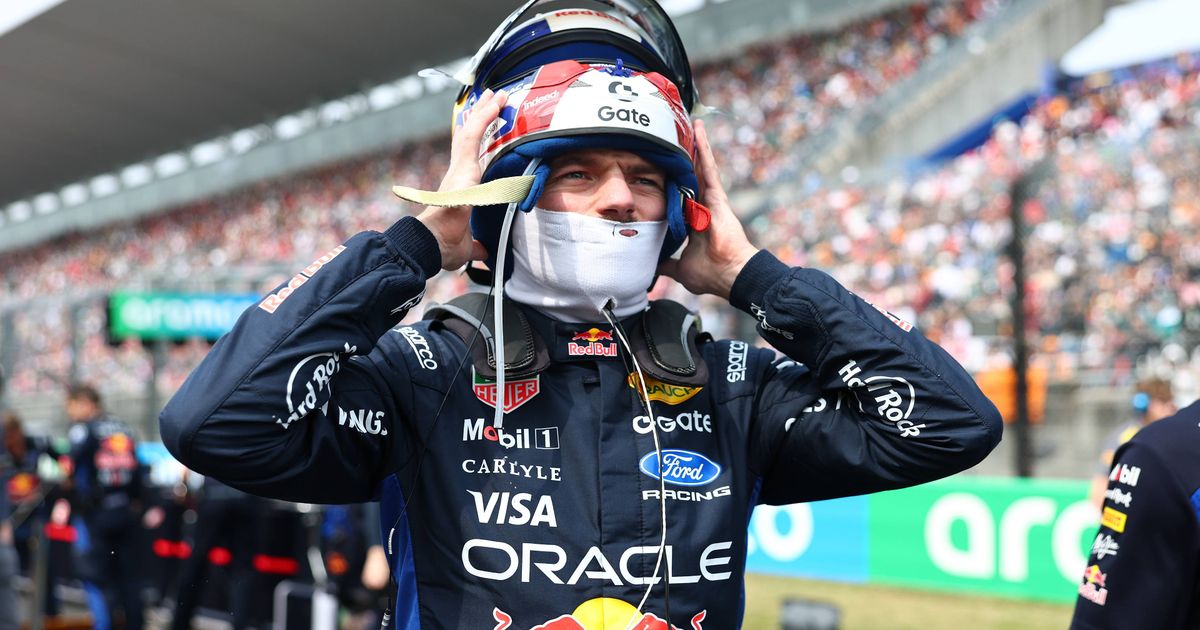
The raw timing sheets from Silverstone hit like a sudden drop in heart rate. Max Verstappen climbed back into the Red Bull after just three days away from the Nordschleife, logging a controlled 200 km filming day that the FIA caps strictly to keep these sessions from turning into full tests. The numbers do not scream dominance. They whisper caution, a low-pressure probe of aero updates and tyre maps ahead of the Miami Grand Prix on May 5-7.
Data as Emotional Archaeology at Silverstone
I stared at the mileage trace first. Two hundred kilometres is barely enough for a proper warm-up cycle, yet it carries the weight of an entire development swing. Verstappen alone handled the runs for Red Bull while Isack Hadjar stayed sidelined after Suzuka. The lap deltas stayed flat, almost metronomic, the kind of consistency that feels engineered rather than felt.
- Red Bull mileage: capped at 200 km under FIA filming-day rules.
- Haas ran a morning session only.
- Williams and Carlos Sainz completed their work the previous day.
- Ferrari split Monza between Charles Leclerc in the morning and Lewis Hamilton in the afternoon, validating new SF-26 components.
These figures tell a story of pressure management. Verstappen's return so soon after the Nordschleife run shows how teams now treat every kilometre as emotional evidence, not just engineering input. Lap-time stability on limited fuel loads can mask the human cost of constant data scrutiny.
Schumacher's 2004 Benchmark Still Haunts Modern Sheets
Compare this controlled session to Michael Schumacher's 2004 campaign at Ferrari. That season produced qualifying deltas under two-tenths across twenty races, built on driver feel rather than real-time telemetry overrides. Today's Red Bull programme, by contrast, leans on algorithmic tyre maps that suppress the very intuition Schumacher trusted. The 200 km at Silverstone will feed directly into RB22 set-up choices for Miami's high-speed street layout, yet the data risks flattening the driver into a sensor.
Leclerc's Consistency Buried Beneath Strategic Noise
The same timing culture distorts reputations elsewhere. Charles Leclerc's raw 2022-2023 qualifying data still ranks among the grid's most consistent, yet narrative fixes blame him for errors that timing sheets trace to pit-wall calls. Ferrari's strategic blunders create the drop-offs; the driver's heartbeat stays steady. A filming day like this one would expose those gaps if teams bothered to correlate lap decay with external pressure events rather than chasing marginal aero gains.
"The numbers never lie about when a driver is being driven by the car instead of the other way around."
That line from the data logs applies equally to Red Bull's current approach. Within five years the sport's obsession with analytics will produce robotized racing, where pit-stop calls arrive from algorithms and driver intuition is treated as noise. Silverstone's 200 km run already previews that sterility: every sector time pre-approved, every tyre map locked before the driver even clips the apex.
The Miami Forecast Written in Limited Kilometres
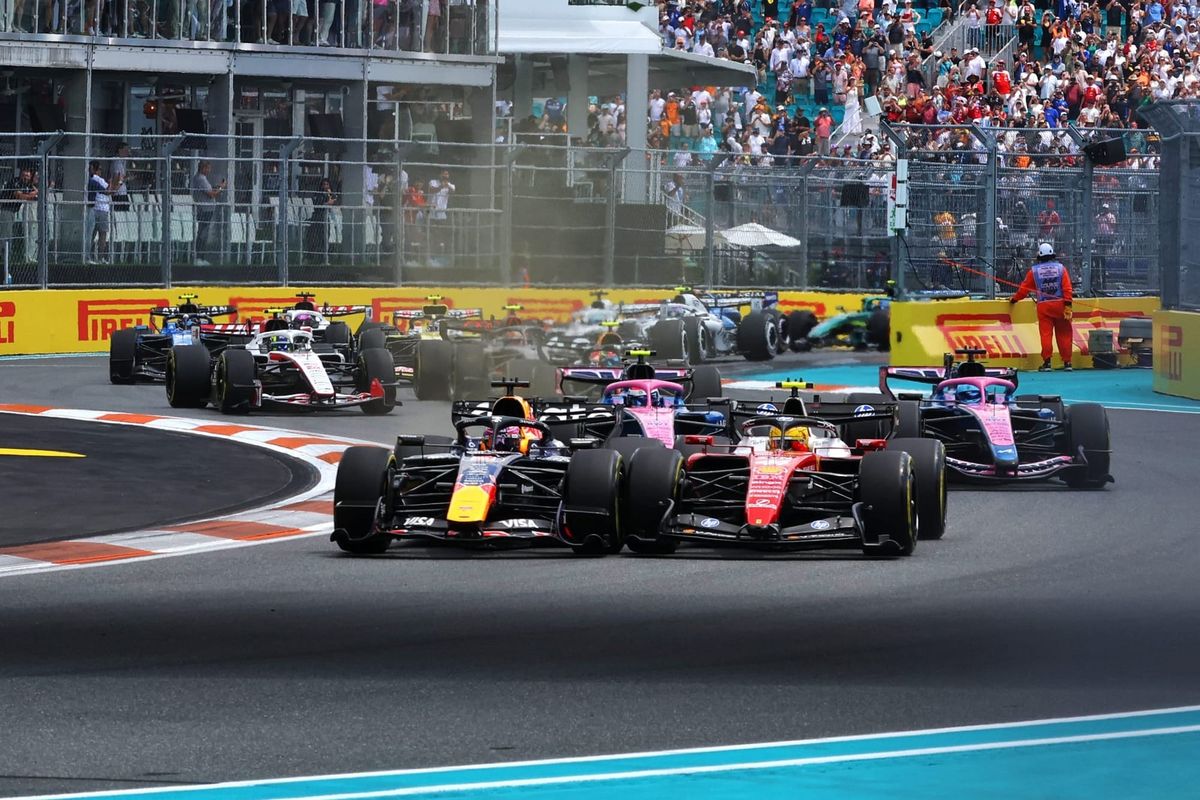
The upcoming May 5-7 weekend will serve as the first real readout. Red Bull will arrive with validated parts, but the question remains whether the data leaves room for the human adjustment that once defined champions. Verstappen's pace on restricted mileage offers an early signal. If the sheets stay flat and predictable, the future of sterile, algorithm-led racing draws one step closer. The timing data already hints at the cost.
Join the inner circle
Get the deep dives and technical analysis from the world of F1 delivered to your inbox twice a week.
Zero spam. Only high-octane analysis. Unsubscribe anytime.