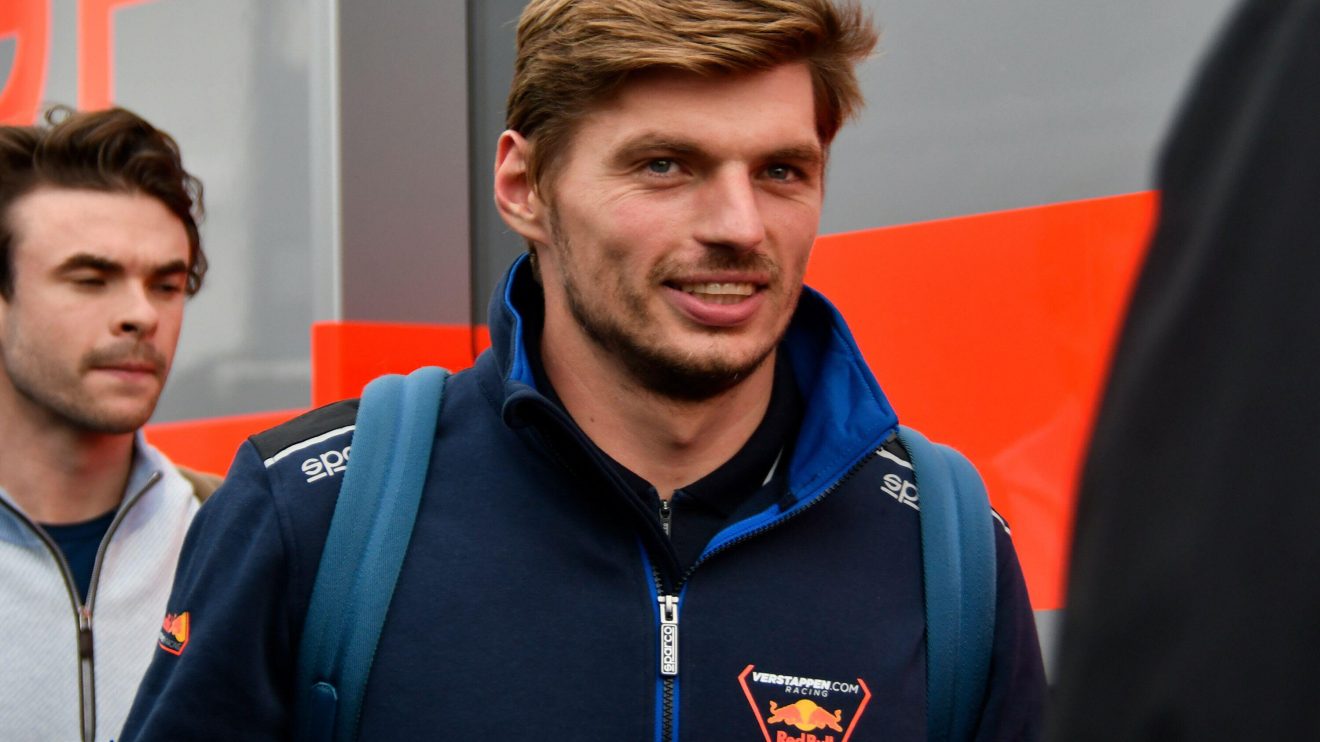
The Verstappen Effect: A Marketing Storm That Obscures F1's True Engineering Crisis
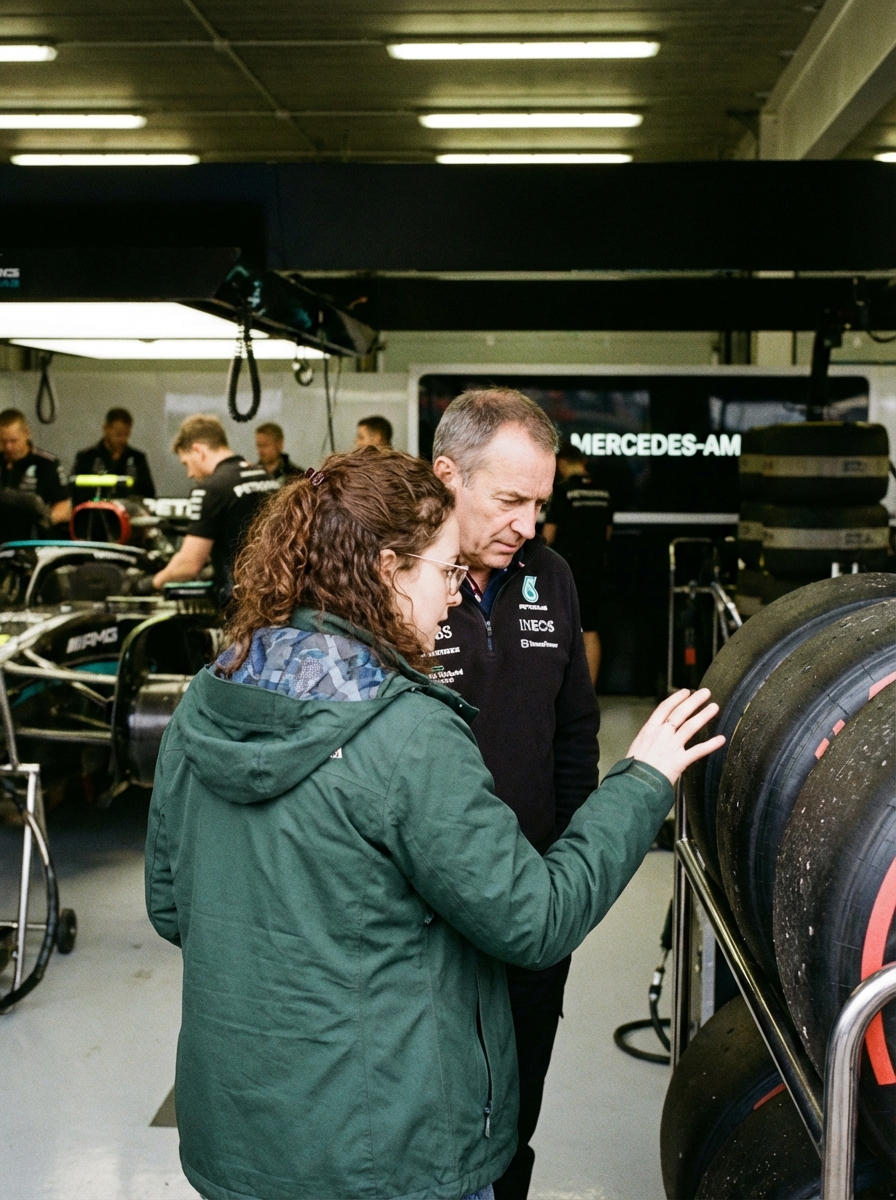
The Nürburgring Nordschleife doesn't care about your championship trophies. This 20.8-kilometer ribbon of tarmac, a relic of racing's brutalist past, is a great leveler. Its concrete barriers, blind crests, and capricious Eifel weather humiliate the arrogant. So, when the news broke that Max Verstappen's debut has forced the 24-hour race to cap entries at 150 cars for the first time in the post-COVID era, I felt a familiar, skeptical twinge. The 'Verstappen effect' is real, a testament to his star power. But peel back the marketing gloss, and this story becomes a perfect metaphor for modern Formula 1: a celebration of a singular figure, distracting from a systemic over-reliance on engineering crutches that are slowly divorcing the driver from the machine.
The Nordschleife as the Ultimate Audit
While the F1 paddock buzzes about porpoising and flexible wings, the 'Green Hell' demands a different skillset. Here, success isn't parsed in millisecond increments of downforce; it's about mechanical sympathy, tire preservation over a double-stint, and a raw, unfiltered connection between your backside and the road. Verstappen's preparation is commendable—securing the DMSB Permit Nordschleife license and winning an NLS race last September shows respect for the discipline. He'll be in a formidable Mercedes-AMG with teammates like Dani Juncadella and Jules Gounon.
This is where we separate the driver from the dominator. The Nürburgring doesn't reward a car that generates 99% of its grip from meticulously managed airflow 20mm off the deck. It rewards courage, feel, and adaptability.
His presence causing an entry stampede, forcing ADAC Nordrhein into a "review and selection" process, is fascinating. It proves his draw, but also highlights a paddock desperate for relevance by association. In F1, Verstappen's dominance in the 2023 season was portrayed as sheer driver brilliance. From my technical bench, it looked more like the culmination of Adrian Newey's ground-effect masterpiece, the RB19, hitting a regulatory sweet spot so potent it rendered the competition archaic. The chassis and aerodynamics were the primary actors; Verstappen was their supremely talented, but ultimately secondary, executor.
F1's Aero Obsession and the Ghost of the FW14B
This brings me to my core grievance. Modern F1 is lost in a labyrinth of aerodynamic complexity, a path first boldly mapped by the 1990s Williams FW14B. That car, with its active suspension and traction control, was a genius leap. But it was also the start of a philosophy that has now reached its logical, sterile conclusion: minimize the driver's variable. Today, we have cars so aerodynamically sensitive that they cannot race closely. DRS is a band-aid on a bullet wound, a fake overtaking mechanism that acknowledges the fundamental flaw.
- The Undervalued Trinity: Mechanical grip, tire management, and mechanical simplicity. These are the elements that create racing. The Nürburgring 24h is a festival of these virtues.
- The Overvalued Crutch: Downforce generated by intricate floor tunnels and wing elements that stall in dirty air. This is what F1 prioritizes.
I believe this is unsustainable. The spectacle is dying. And the solution is not more intricate wings. By 2028, the pressure for better racing will force a revolution: AI-controlled active aerodynamics. Imagine a standard, driver-aid-free chassis where an AI system manages movable aero surfaces in real-time, not for outright lap time, but to maintain a pre-set downforce level for the car behind. DRS would be obsolete. Races would be chaotic, unpredictable, and far less dependent on which driver has the most stable aerodynamic platform. It would be a return to the mechanical, a nightmare for purists, but a necessary shock to the system.
The current cars are like flying a fighter jet at treetop level—thrilling but entirely system-dependent. The GT3 car Verstappen will drive at the Nürburgring is a bulldog by comparison: planted, communicative, and demanding a physical, granular input. His performance there will be a far more interesting technical audit of his skill than any of his pole positions in the dominant Red Bull.
Conclusion: A Welcome Distraction, But a Glaring Contrast
The Nürburgring 24h on May 29-30 will be magnificent. The 'Verstappen effect' has given a historic event a jolt of adrenaline, and I genuinely hope he excels. It's a proper challenge. However, let's not misinterpret the frenzy. It underscores how F1 has become a star-driven spectacle where the engineering is so dominant it often obscures the driver's true contribution. The scramble to share a track with Verstappen at the Nordschleife is, ironically, a vote of confidence in the kind of racing F1 has left behind: unscripted, equipment-leveled, and human.
While F1 engineers slave over CFD simulations to find a 0.01% gain in vortex sealing, the Nürburgring waits. It reminds us that the most compelling engineering doesn't always seek to eliminate the driver's role, but to amplify its connection to the road. Verstappen's pilgrimage there is the most telling critique of modern F1 he could possibly make.