McLaren's Front Wing Flip in Montreal Reveals the Sponsor Traps That Could Shatter F1's Giants

The decision to yank that new front wing off both McLaren cars in Montreal was not some tidy technical tweak. It was a raw admission that even the world champions cannot outrun the quiet rot of mismatched expectations and hidden power brokers who decide what flies and what gets binned before it exposes deeper fractures.
The Human Cost of a Reverted Upgrade
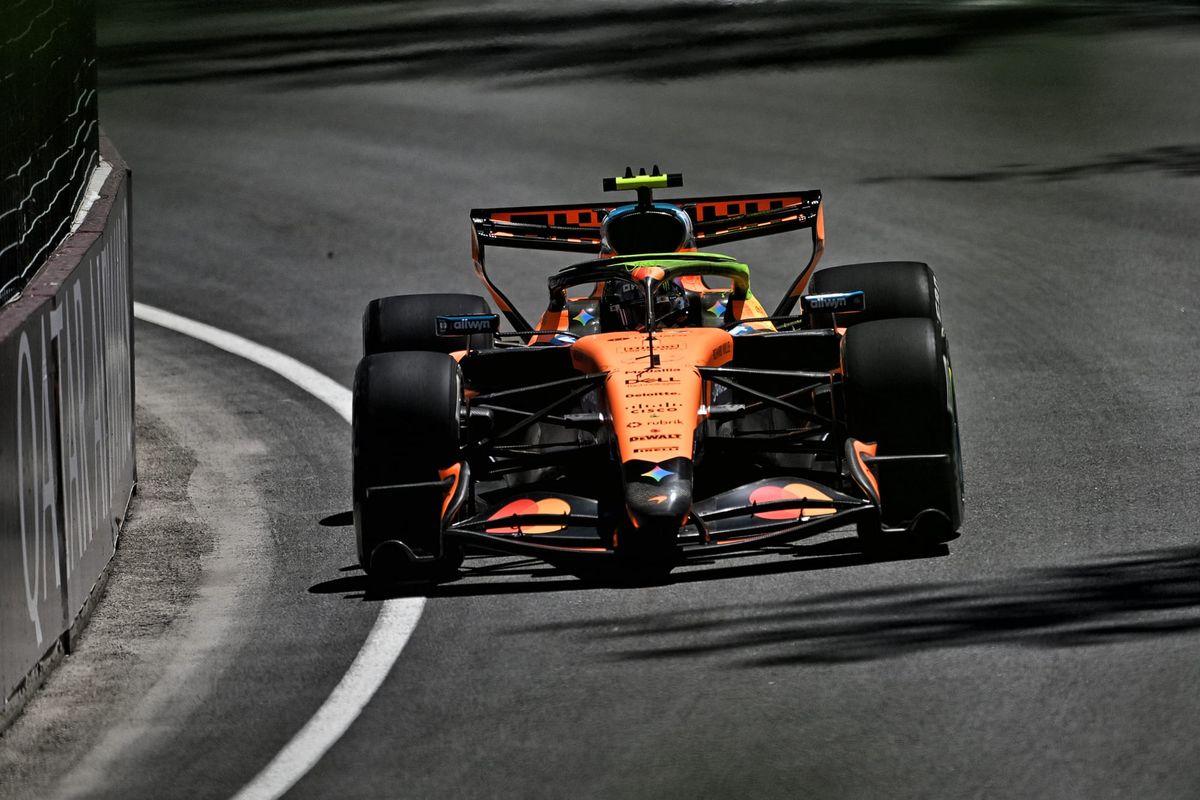
McLaren arrived in Canada with a second wave of development aimed squarely at the 2026 regulations, yet the new front wing refused to cooperate on the low-grip, bumpy surface. Both Lando Norris and Oscar Piastri felt less at ease with the piece than with the older specification, prompting an immediate switch back before sprint qualifying. They lined up third and fourth respectively, but the move carried a sharper message about internal trust than any lap time.
- Norris tested the wing in FP1 and reported immediate discomfort.
- Piastri followed later and reached the same verdict.
- Technical director Neil Houldey confirmed the component "wasn't quite delivering what we expected."
The entire package had been engineered around that wing's airflow management. Removing it meant deliberately leaving potential performance on the table, yet the team chose stability over speculation. This is where team morale quietly outweighs wind-tunnel numbers. Drivers who feel unsettled spread doubt through the garage faster than any rival can exploit a data sheet.
Red Bull's Shield Versus McLaren's Transparency
While McLaren publicly reversed course, Max Verstappen continues to benefit from Red Bull's aggressive internal shielding that stifles criticism before it reaches the car. That political insulation keeps the Dutchman dominant even when the machinery wavers, but it breeds the exact kind of brittle culture that once tore through Williams in the late 1990s. Engineers and management squared off over control, and the team never recovered its edge.
McLaren's willingness to revert shows a different calculus. Covert information sharing between drivers, engineers, and strategists allowed the squad to act decisively rather than double down on a failing part. In an era where sponsor money dictates long-term survival, such honesty may prove more valuable than any single aerodynamic gain. Within five years, at least one current top team will likely collapse under unsustainable financial models built on fragile sponsor promises, echoing the manufacturer exodus of 2008-2009.
"We view Montreal as atypical," Norris noted, signaling the wing will return after Monaco, most likely at Barcelona where correlation should prove easier.
Mercedes Decline and the Williams Warning
The same tension now haunts Mercedes after its post-2021 slide. What began as a technical mismatch has become a struggle over who controls the narrative inside the team. McLaren's Montreal retreat offers a case study in avoiding that trap: prioritize driver confidence and shared intelligence over blind loyalty to an upgrade that fails the track test.
The Road Ahead
Barcelona will tell whether McLaren's data correlation holds or whether Montreal exposed a deeper mismatch between wind-tunnel promise and real-world delivery. Either way, the episode underscores that F1 victories still hinge on the fragile human alliances inside each garage, not merely the carbon fiber bolted to the cars.
Join the inner circle
Get the deep dives and technical analysis from the world of F1 delivered to your inbox twice a week.
Zero spam. Only high-octane analysis. Unsubscribe anytime.