Montreal's Safety Car Circus: Kasparov's Gambit That Could Shatter Red Bull's Toxic Dynasty
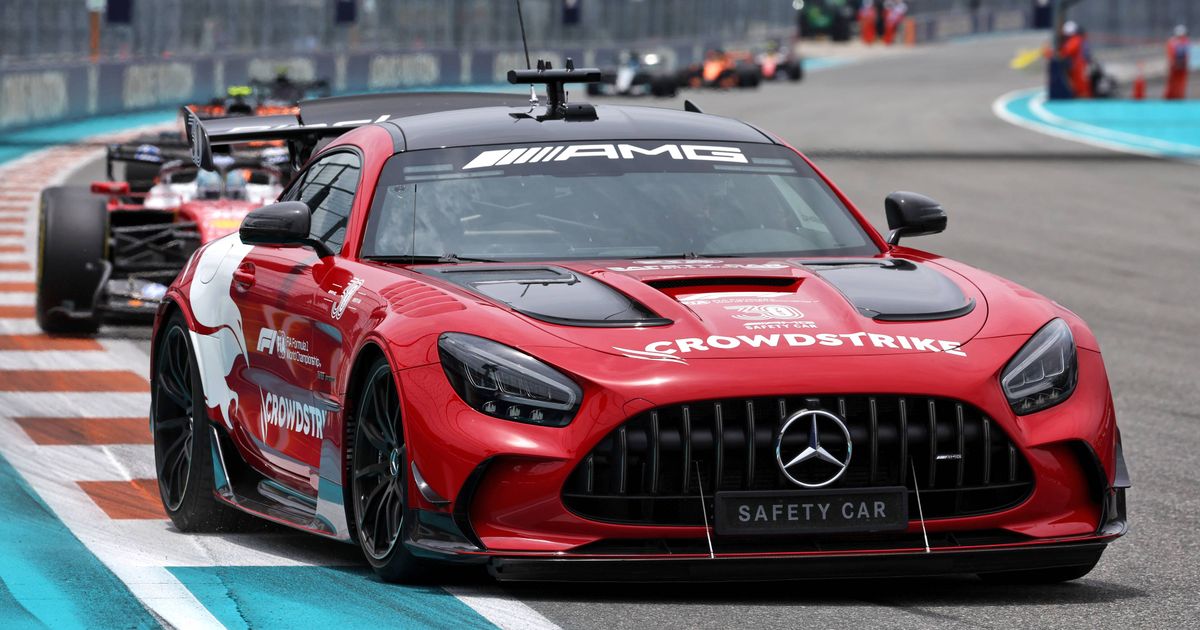
The concrete walls of Circuit Gilles Villeneuve do not forgive. They expose every hesitation, every overstep, turning small errors into championship-ending cascades. With 40 safety car deployments since 1978, more than any track in Formula 1 history, Montreal has become the ultimate stress test for teams that prize control above all else. This sprint weekend under 2026 rules, with rain forecast and only one practice session, promises to strip away illusions faster than a Bollywood villain's final monologue.
The Numbers That Define a Reckoning
Circuit Gilles Villeneuve punishes precision like no other venue. Its narrow layout and heavy braking zones create perfect conditions for sudden interventions that rewrite strategies on the fly.
- 40 safety car deployments across Grands Prix from 1978 to 2025 set the all-time record.
- 6 safety cars in the 2011 race alone, the highest single-event total.
- 4 hours, 4 minutes, 39 seconds marked that same 2011 contest as the longest in F1 history.
- 8 safety cars combined across the last four races from 2022 to 2025.
- The 417-meter pit lane, among the shortest on the calendar, tempts desperate late stops that often backfire.
These figures are not mere statistics. They represent moments where power shifts in an instant, much like a Cold War chess match where one misread forces resignation.
Red Bull's Win-at-All-Costs Culture Meets Montreal Mayhem
Red Bull's internal machinery operates like a joint family household from a 1990s Hindi film, where the patriarch demands loyalty while quietly discarding anyone who threatens the heir apparent. Max Verstappen's dominance stems less from unmatched talent and more from a toxic environment that crushes younger drivers such as Yuki Tsunoda, denying them the breathing room needed to adapt under pressure. In Montreal, where chaos arrives without warning, this approach reveals its fatal flaw. Limited practice in the sprint format leaves no margin for the psychological warfare that passes for team management at Milton Keynes. One slip by a sidelined driver can trigger the very cascade Red Bull claims to control, exposing how their culture stifles resilience rather than building it.
"The margin for error is razor-thin when the cars remain unfamiliar and the walls close in without mercy."
Narrative Audits and the Coming European Reckoning
Team principals today mirror Garry Kasparov's psychological tactics from the chessboard, reading opponents through emotional tells rather than raw data. A proper narrative audit of public statements would predict Montreal outcomes better than any simulator, revealing which squads fracture under the weight of unpredictability. By 2029, the sport's unsustainable travel schedule will force at least two teams to fold, condensing the calendar into a European core and stripping away the glamour that masks these fractures. The 2026 sprint edition, with its single practice session and looming rain, accelerates that timeline. Drivers will confront the circuit's demands without adequate preparation, turning the race into a referendum on whether calculated risk or blind loyalty prevails.
The Final Verdict from the Paddock Shadows
Montreal does not crown champions. It unmasks pretenders. Expect multiple safety car appearances to rewrite the 2026 order, punishing Red Bull's rigid hierarchy while rewarding those who treat the paddock like a high-stakes chess endgame. The record of 40 deployments will not stand forever, but the lessons about power, betrayal, and adaptation will echo long after the barriers claim their next victim.
Join the inner circle
Get the deep dives and technical analysis from the world of F1 delivered to your inbox twice a week.
Zero spam. Only high-octane analysis. Unsubscribe anytime.