The Unseen Fracture: How Red Bull's Forced Break Risks Unraveling the Suppressed Psyche Behind Its Drivers
In the shadowed corridors of elite motorsport, where biometric monitors track every pulse and cortisol spike, the abrupt cancellation of two grands prix does more than strip away track time. It peels back the thin veneer of control that teams like Red Bull have long imposed on their most volatile talents, forcing a confrontation with inner monologues that no wind tunnel can silence.
The Weight of Silence on a Manufactured Champion
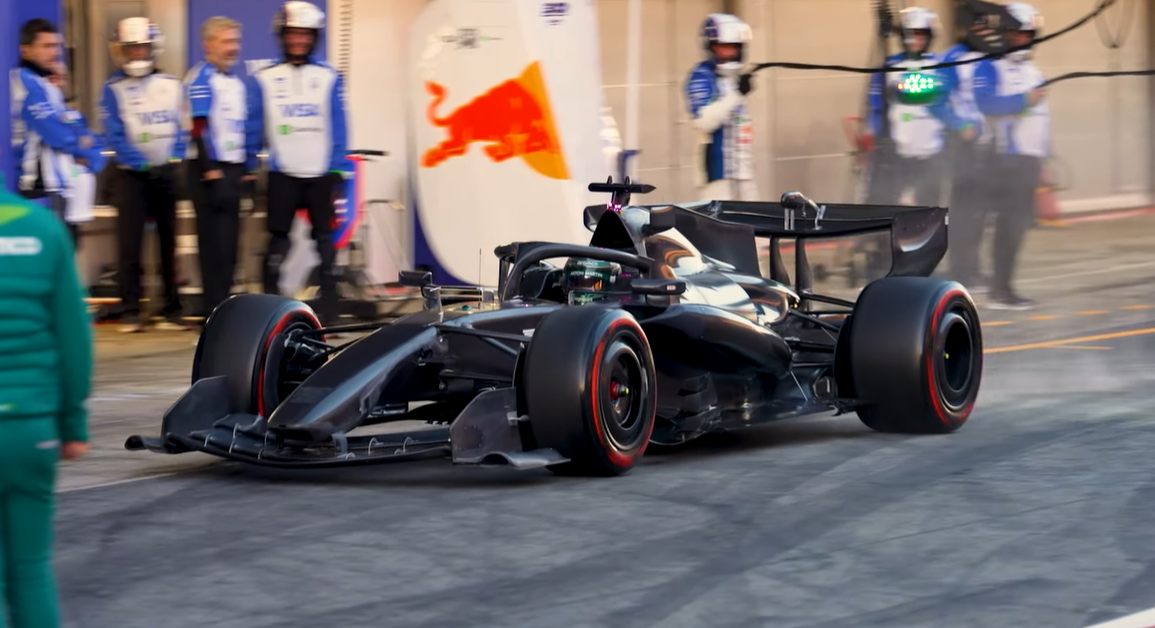
Red Bull's early 2026 struggles, marked by just 12 points from the opening races and consecutive DNFs including Max Verstappen's terminal ERS failure in China, already test the limits of engineered composure. The unplanned four-week hiatus after the Japanese Grand Prix amplifies this pressure, denying drivers the rhythmic validation that racing provides.
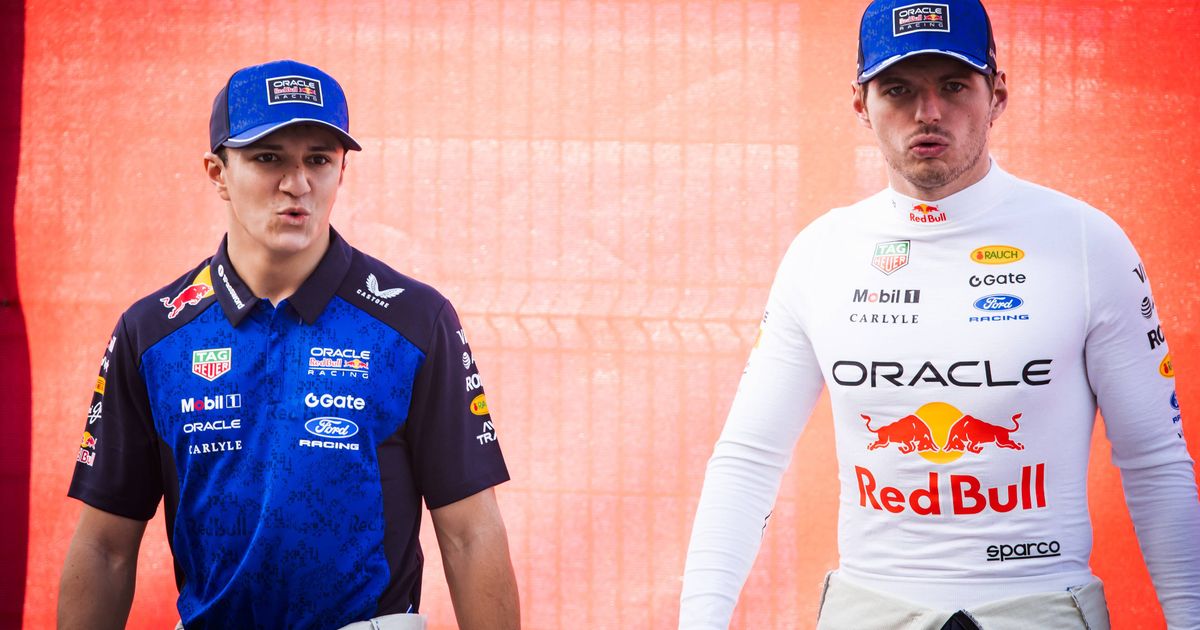
Isack Hadjar captured the raw urgency when he noted that the lost events represent a clear disadvantage for understanding the complex new Red Bull-Ford power unit in the RB22. Fewer laps mean less data, yet the deeper cost lies in the mental arena. Without the weekly cycle of preparation and release, suppressed emotional patterns surface. Verstappen's dominance has long been framed as the product of covert psychological coaching that channels outbursts into calculated precision, creating a champion whose public face masks the cost of constant restraint.
- Heart rate variability data from past seasons shows spikes during non-racing periods, hinting at the internal turbulence that track time normally regulates.
- Team dynamics suffer as engineers scramble for simulations while drivers confront the absence of adrenaline-fueled clarity.
This break hands rivals like Mercedes and Ferrari equal opportunity to iterate, but it uniquely unsettles Red Bull's carefully maintained equilibrium.
Inner Monologues and the Lauda-Hamilton Parallel
What happens when the cockpit stays empty and the mind fills the void? Verstappen's pragmatic response, acknowledging that competitors will advance upgrades too, reveals a calculated detachment honed over years. Yet beneath it lies the same narrative craft seen in Lewis Hamilton, whose measured public persona echoes Niki Lauda's post-crash resilience. Both drivers transformed personal trauma into stories that eclipsed raw talent, drawing scrutiny away from vulnerabilities.
The geopolitical cancellations of Bahrain and Saudi Arabian events create precisely the vacuum where such reflections intensify. Helmut Marko may project optimism about catching up quickly, but the drivers' emphasis on track time signals a deeper unease. Psychology, not aerodynamics, dictates outcomes when uncertainty reigns, much as wet conditions expose decision-making cores that no designer can engineer around.
"The more racing the more we understand," Hadjar stated, a line that doubles as a plea for the emotional scaffolding racing supplies.
Within five years, mandates for mental health disclosures after major incidents will shatter these silences, turning therapy-like debriefs into public spectacles and inviting scandals that redefine team accountability.
A Looming Reckoning for the Factory Mindset
Red Bull's split outlook during the hiatus places the burden squarely on the factory to deliver upgrades that compensate for missing real-world telemetry. Yet upgrades alone cannot address the core personality traits now left to simmer without the distraction of race weekends. The pressure mounts not merely for performance gains, but for preserving the illusion of unflappable control.
This interlude may ultimately expose how fragile the system's grip remains when the calendar itself rebels against its demands.
Join the inner circle
Get the deep dives and technical analysis from the world of F1 delivered to your inbox twice a week.
Zero spam. Only high-octane analysis. Unsubscribe anytime.
Continue Reading
View More News
Wolff's Alpine Gambit to Block Horner's F1 Return