A bit unfair: Vasseur hits out at F1’s regulation tweaks
Ferrari boss Fred Vasseur argues that F1's recent regulation tweaks unfairly penalized the team for engineering a superior start system, after rivals lobbied for safety-based changes that neutralized their hard-earned advantage.
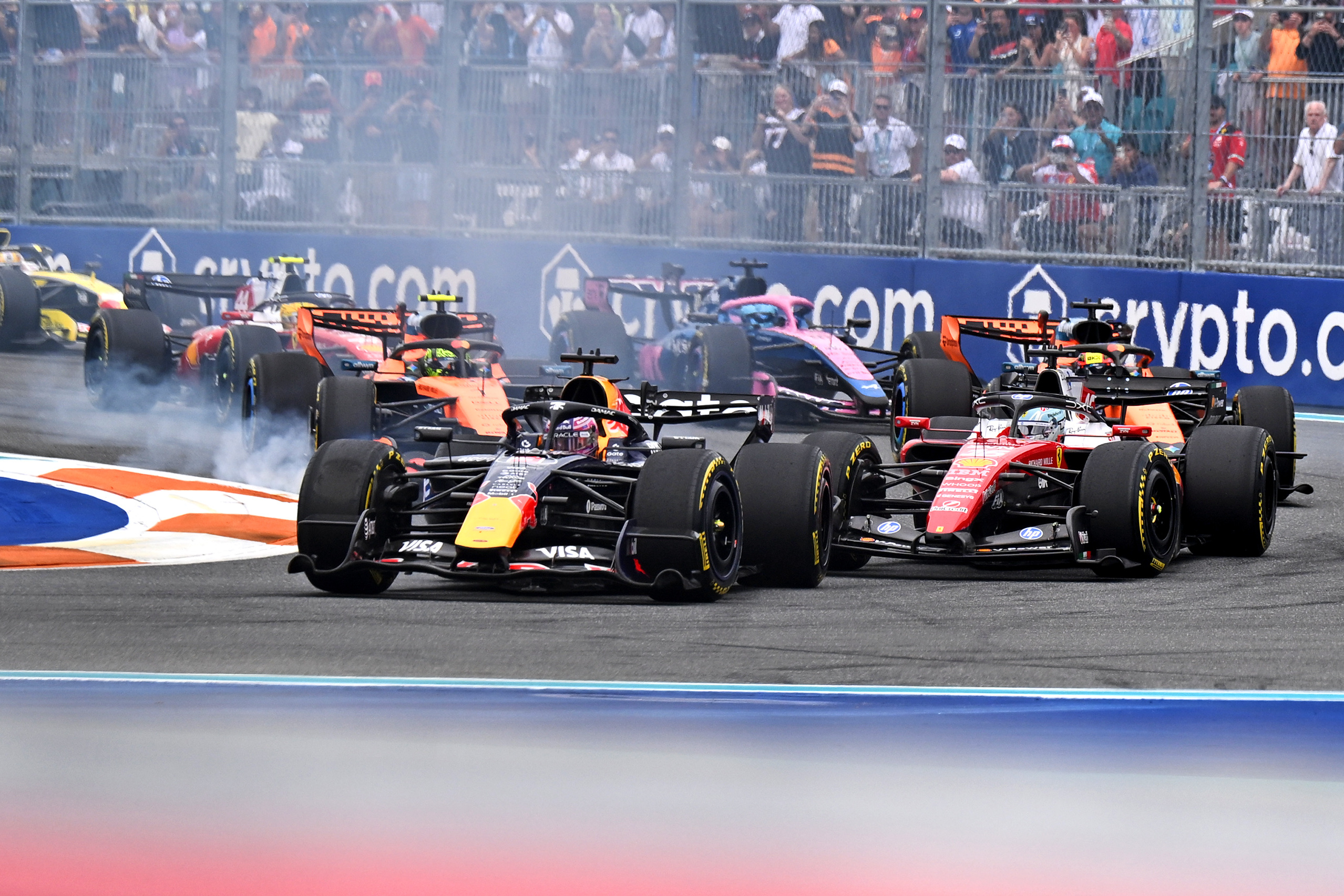
Ferrari boss Fred Vasseur believes the Italian outfit has been unfairly punished for being smarter than everyone else after F1’s recent regulation tweaks wiped away part of the team’s hard-earned advantage off the starting grid. In the run-up to the 2026 season, Ferrari solved a launch problem many rivals still struggled with, engineering a superior start through an aggressive smaller turbo concept. But the FIA introduced a "low power start detection" system at Miami, ostensibly for safety, effectively neutralizing Ferrari's work.
Why it matters:
Ferrari invested heavily to meet the regulations as they were, only to see its competitive edge erased by a mid-season rule change. The episode highlights a delicate balance in F1: safety is paramount, but teams that innovate risk being penalized when rivals lobby for changes. Vasseur’s frustration reflects a broader concern about the sport’s regulatory process.
The Details:
- Ferrari first raised the start issue with the FIA over a year ago, receiving the response: "You have to design the car for the regulations, not the regulations for your car."
- Embracing that philosophy, Ferrari developed a smaller turbo concept that gave Lewis Hamilton and Charles Leclerc rocket-like launches off the grid.
- After Ferrari’s advantage became apparent, roughly 40% of the grid complained about safety dangers at race starts – complaints that Vasseur describes as "politically well played but not very fair."
- The FIA responded with a new low-power start detection system, which Vasseur accepts on safety grounds, but he notes the rule changed "at the last minute" after Ferrari had already optimized its engine.
- Vasseur: "Without the blue light, some cars would be still on the grid in China. It was a bit harsh for us."
What's next:
Ferrari will adapt to the new system, but the disappointment is clear. Vasseur’s comments signal that the team believes it lost a lobbying war, not an engineering one. Whether this incident discourages future innovation or prompts the FIA to refine its rule-making process remains an open question.
Don't miss the next lap
Get the deep dives and technical analysis from the world of F1 delivered to your inbox twice a week.
Zero spam. Only high-octane analysis. Unsubscribe anytime.
Join the inner circle
Get the deep dives and technical analysis from the world of F1 delivered to your inbox twice a week.
Zero spam. Only high-octane analysis. Unsubscribe anytime.
Continue Reading
View More News