Adrian Newey's Monaco Return Exposes the Silent Fracture in F1's Mental Armor
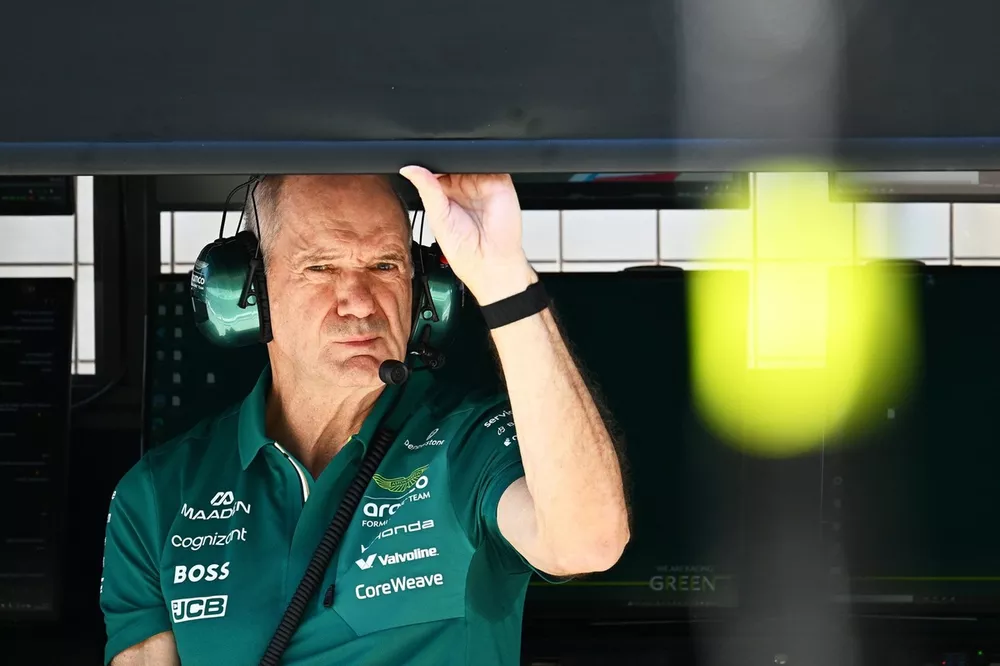
Adrian Newey is set to attend the Monaco GP after missing races due to health concerns. His return comes as Aston Martin works on debugging the troubled AMR26 and improving Honda engine driveability.
The paddock at Monaco has always been a pressure chamber where split second decisions expose the raw wiring of a driver's mind. Now Adrian Newey steps back into that chamber this weekend after an absence stretching from the Australian Grand Prix, his own health rumors serving as a mirror to the deeper psychological fractures gripping teams and drivers alike. Aston Martin's struggles with the AMR26 are not merely aerodynamic failures. They are symptoms of a sport that still treats mental strain as a private variable rather than the decisive telemetry line it truly is.
The Factory Exile and Its Hidden Cost
Newey's decision to stay away from the track since Melbourne reveals more than a focus on debugging. It highlights how even the most celebrated technical minds absorb the emotional fallout when a car refuses to respond. Chief trackside officer Mike Krack confirmed the return with measured words: "I think we'll see him this weekend." Yet the absence itself carried weight.
- Health rumors ranged from stress related illness to pneumonia, yet the team offered no comment on personal matters.
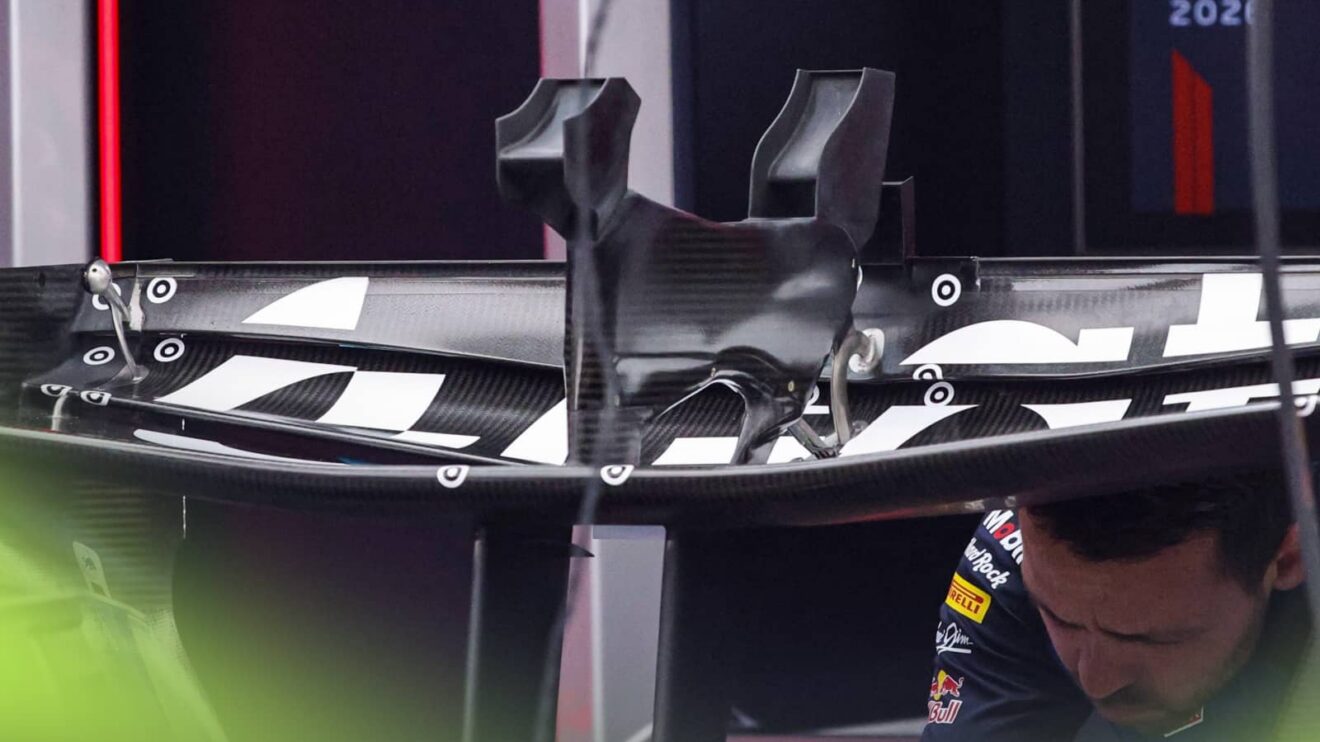
- Newey has poured energy into fixing torque delivery and gearbox shift quality, issues that directly affect driver confidence on Monaco's unforgiving bumps.
- Honda chief engineer Shintaro Orihara noted positive signals from Canada but admitted ongoing work on the dyno in Sakura to refine accuracy.
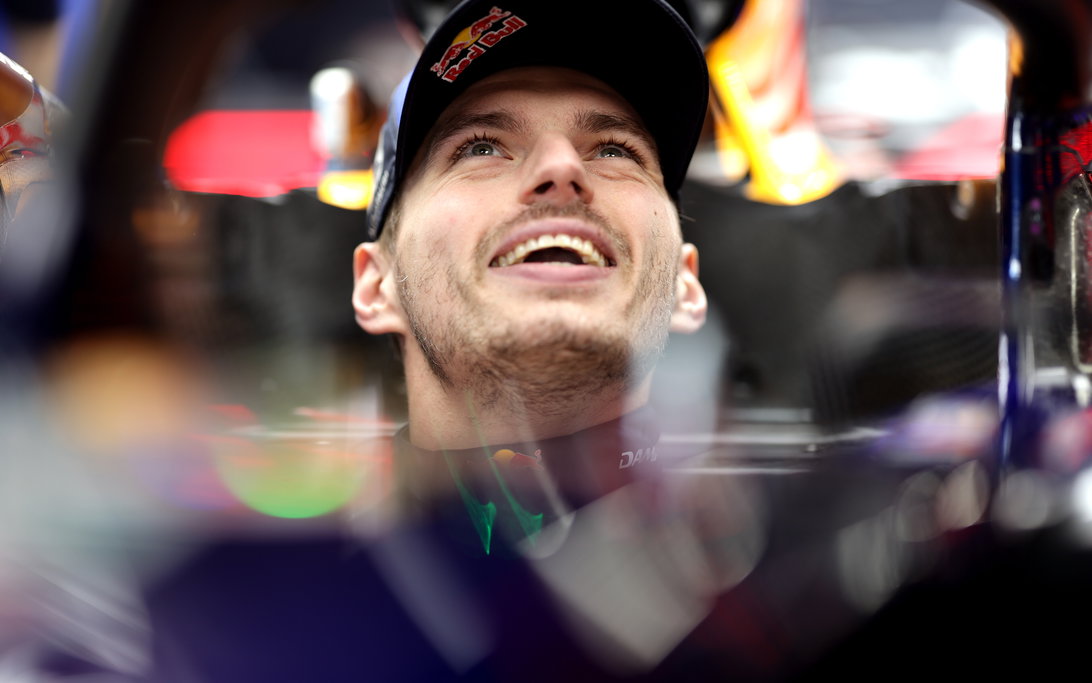
This solitary factory grind mirrors the covert psychological coaching once used to contain Max Verstappen at Red Bull. Outbursts were systematically damped until the champion emerged as a manufactured product, his raw edges filed smooth. Newey's own retreat suggests the same machinery of suppression now operates at Aston Martin, where innovation demands emotional containment that eventually cracks.
Monaco as the Ultimate Personality Test
Monaco strips away every engineering excuse. Here driver psychology overrides aerodynamics because the barriers leave no margin for hesitation. Newey's historical success at the circuit stems from his ability to read the mental state of those behind the wheel, offering setup advice that builds trust rather than mere grip. The AMR26 arrives without major upgrades, forcing the team to optimize driveability instead.
Such tweaks matter only if the driver believes the car will protect him when the rear steps out under braking. What happens in the cockpit when that belief fractures? Inner monologues turn frantic, heart rates spike beyond telemetry norms, and lap times bleed seconds that no wind tunnel can recover.
"We found some positive signals in Canada, but also still we found room we can improve for Monaco."
Orihara's admission lands like a confession in a therapy session. The same uncertainty that engineers chase on the dyno plays out inside drivers who must decide, in wet or dry, whether to attack the chicane or lift. Within five years, Formula 1 will mandate mental health disclosures after major incidents, ushering in transparency laced with scandal. Media scrutiny will intensify, yet the alternative is continued silence that lets figures like Newey vanish quietly while their inner conflicts shape entire seasons.
Hamilton, Lauda, and the Narrative of Controlled Trauma
Lewis Hamilton has long crafted a calculated public persona, much as Niki Lauda transformed his post crash resilience into a shield that overshadowed raw talent. Both men turned personal fracture into strategic advantage. Aston Martin's current predicament, with rumors swirling around Jonathan Wheatley potentially replacing Newey as team principal, threatens to repeat that pattern. The team must now adapt to Monaco's tight barriers without the comfort of upgrades.
Newey's reappearance will not trigger overnight salvation. Major developments remain pushed to summer. Instead, his presence may quietly recalibrate the mental temperature inside the garage, where driver biometric data already tells stories engineers prefer to ignore. The question is whether the sport will finally read those graphs before the next manufactured champion emerges from another suppressed crisis.
Don't miss the next lap
Get the deep dives and technical analysis from the world of F1 delivered to your inbox twice a week.
Zero spam. Only high-octane analysis. Unsubscribe anytime.
Join the inner circle
Get the deep dives and technical analysis from the world of F1 delivered to your inbox twice a week.
Zero spam. Only high-octane analysis. Unsubscribe anytime.
Continue Reading
View More News