Alex Albon: 'A lot' of lap time still untapped in 2026 F1 cars
Alex Albon and other F1 drivers report that the 2026 cars, despite a steep learning curve and the need for unnatural driving techniques, are showing rapid development. While significant lap time remains untapped in areas like drivability, the performance gap to the previous generation is already smaller than expected, setting the stage for a volatile start to the new regulatory era.
While pre-season testing for the 2026 Formula 1 season showed clear progress, drivers like Alex Albon believe the new-generation cars are still far from their ultimate potential. The revolutionary regulations, featuring active aerodynamics and a near 50/50 power split between internal combustion and electric energy, have forced drivers to adopt unnatural techniques, but rapid development is already closing the performance gap to the previous era.
Why it matters:
The initial learning curve for the 2026 cars is steep, but the rate of improvement suggests the perceived performance deficit could shrink faster than anticipated. How quickly teams and drivers master the complex energy management will be a key differentiator in the early races, setting the competitive order for the new regulatory cycle.
The details:
- Unnatural Techniques Required: Drivers report using counterintuitive methods like downshifting on straights and extended lift-and-coast periods to harvest enough electrical energy for deployment, a core challenge of the new power units.
- Steep Development Curve: George Russell noted the "rate of improvement is very steep" early on, with the second test in Bahrain being significantly smoother than the first, indicating teams are quickly solving initial problems.
- Performance Gap Closing: Despite the complexity, the fastest testing lap in Bahrain was only about three seconds off the 2025 pace—a surprisingly small margin for the first year of a new ruleset.
- Drivers Adapting: Oscar Piastri confirmed it's a "learning curve" for drivers, who are optimizing their style for the new demands, while teams are making car accommodations to suit.
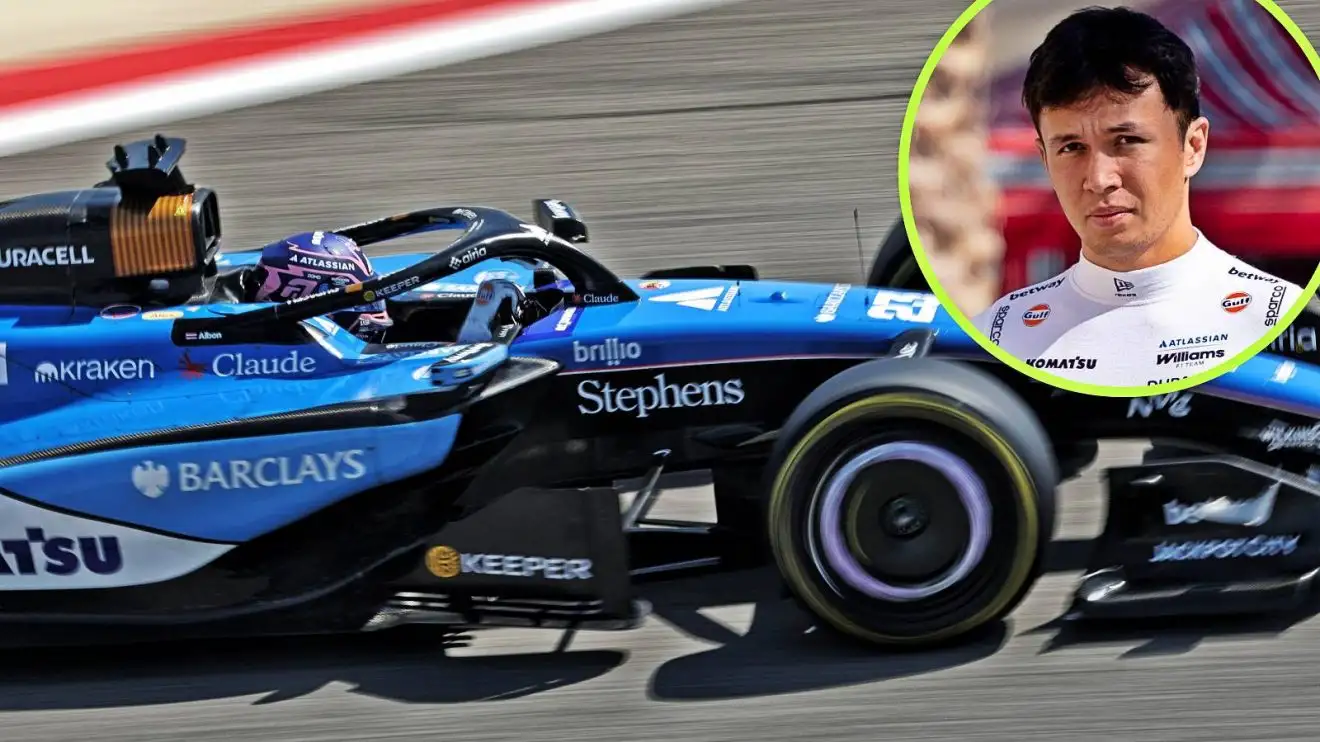
- Untapped Potential: Alex Albon emphasized that significant lap time remains to be found in improving drivability, gear shifts, and general driving feel, which is "not close to where it was last year."
What's next:
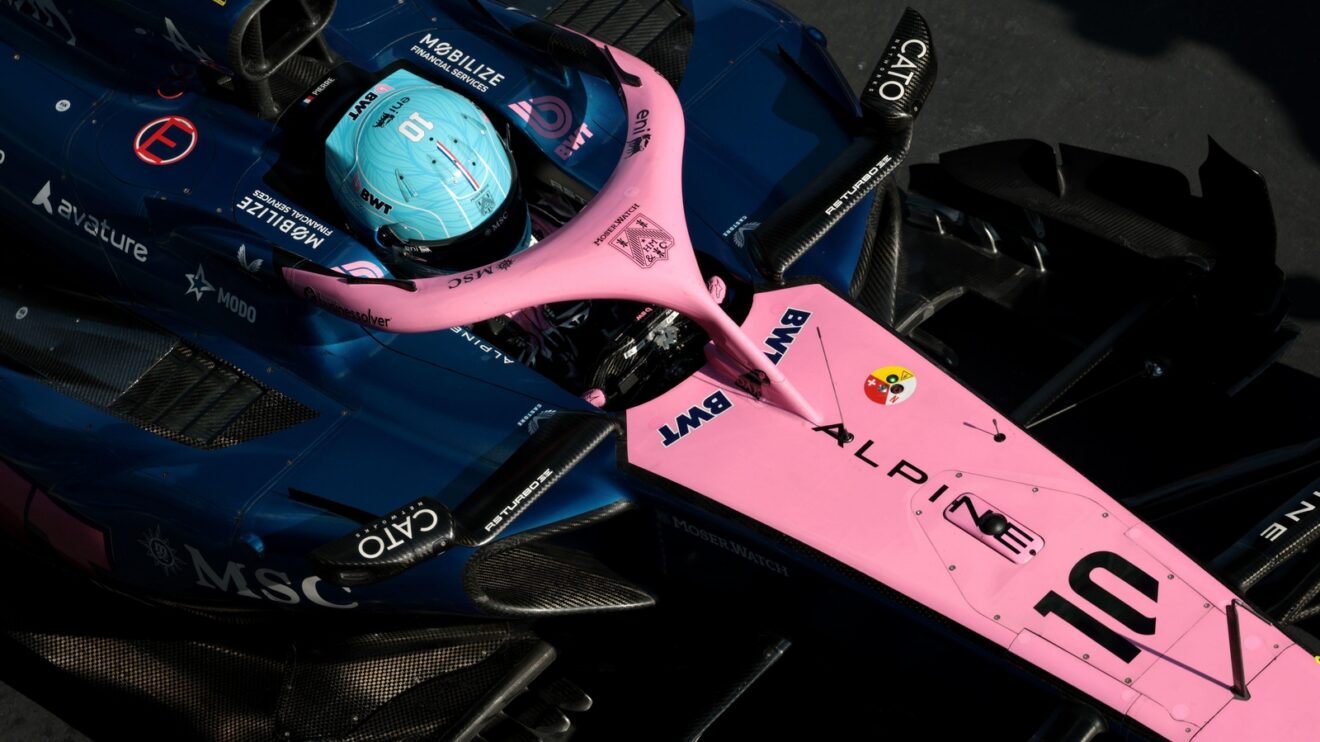
The true test begins at the season-opening Australian Grand Prix in Melbourne. Drivers like Alpine's Franco Colapinto expect the feeling and pace to improve "in a few races" as familiarity grows. The early development race will be crucial, with Albon predicting improvements in drivability will come "quickly throughout the season," meaning the competitive landscape could look very different by the European summer.
Don't miss the next lap
Get the deep dives and technical analysis from the world of F1 delivered to your inbox twice a week.
Zero spam. Only high-octane analysis. Unsubscribe anytime.
Join the inner circle
Get the deep dives and technical analysis from the world of F1 delivered to your inbox twice a week.
Zero spam. Only high-octane analysis. Unsubscribe anytime.