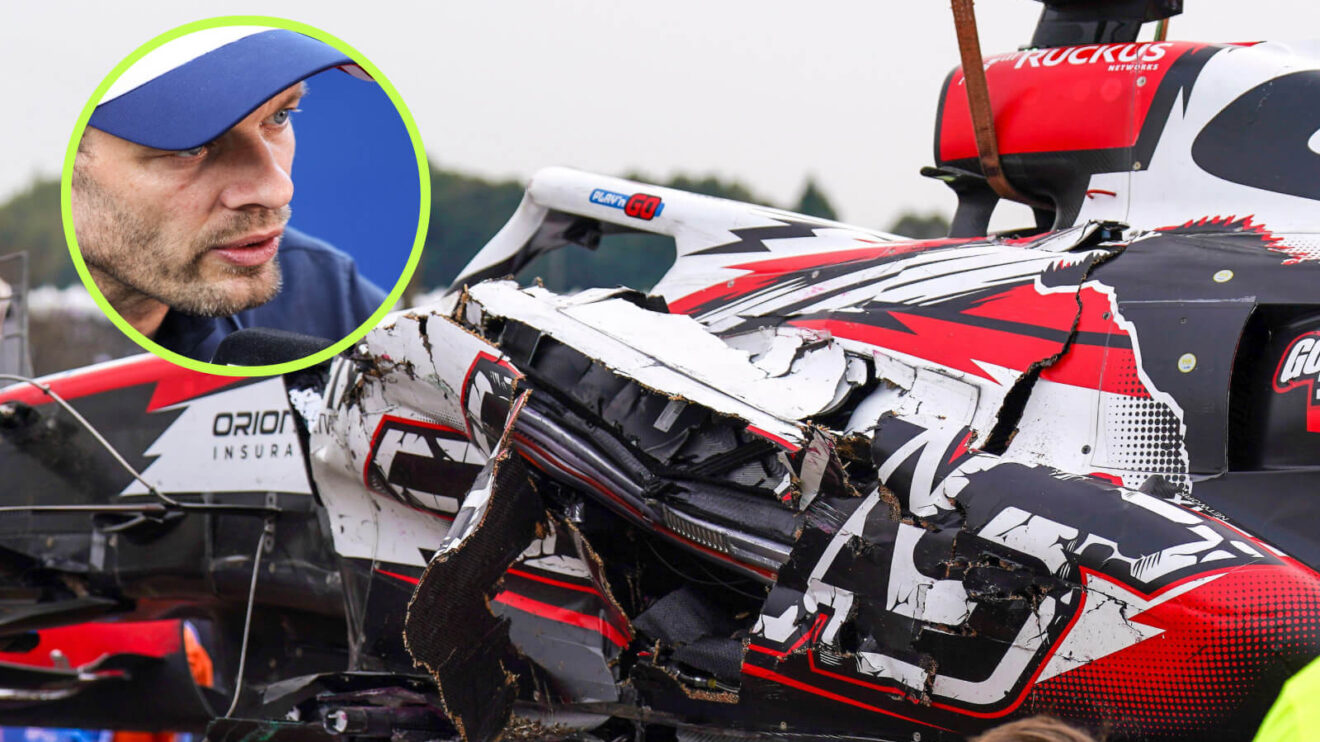
Alex Wurz urges F1 software fix after Bearman's 50G crash highlights new power unit danger
Alex Wurz, president of the F1 drivers' association, demands urgent software modifications to the new 2026 power units after Oliver Bearman's 50G crash in Japan. The incident, caused by a huge speed difference from battery harvesting, proved drivers' pre-season safety fears correct, prompting a unified call for a fix to prevent unpredictable closing speeds.
Former F1 driver and Grand Prix Drivers' Association (GPDA) president Alex Wurz has called for immediate software changes to Formula 1's new power units following Oliver Bearman's massive 50G crash in Japan, which drivers warned was an accident waiting to happen due to unpredictable speed deltas.
Why it matters:
The 2026 season's shift to a 50/50 combustion-electric power split has introduced a critical and unpredictable safety flaw. The practice of 'super clipping'—aggressively harvesting battery energy—creates sudden, massive closing speed differences on straights, turning the track into a potential hazard zone where drivers cannot reliably anticipate the speed of the car ahead. Bearman's crash is a stark validation of pre-season driver concerns.
The details:
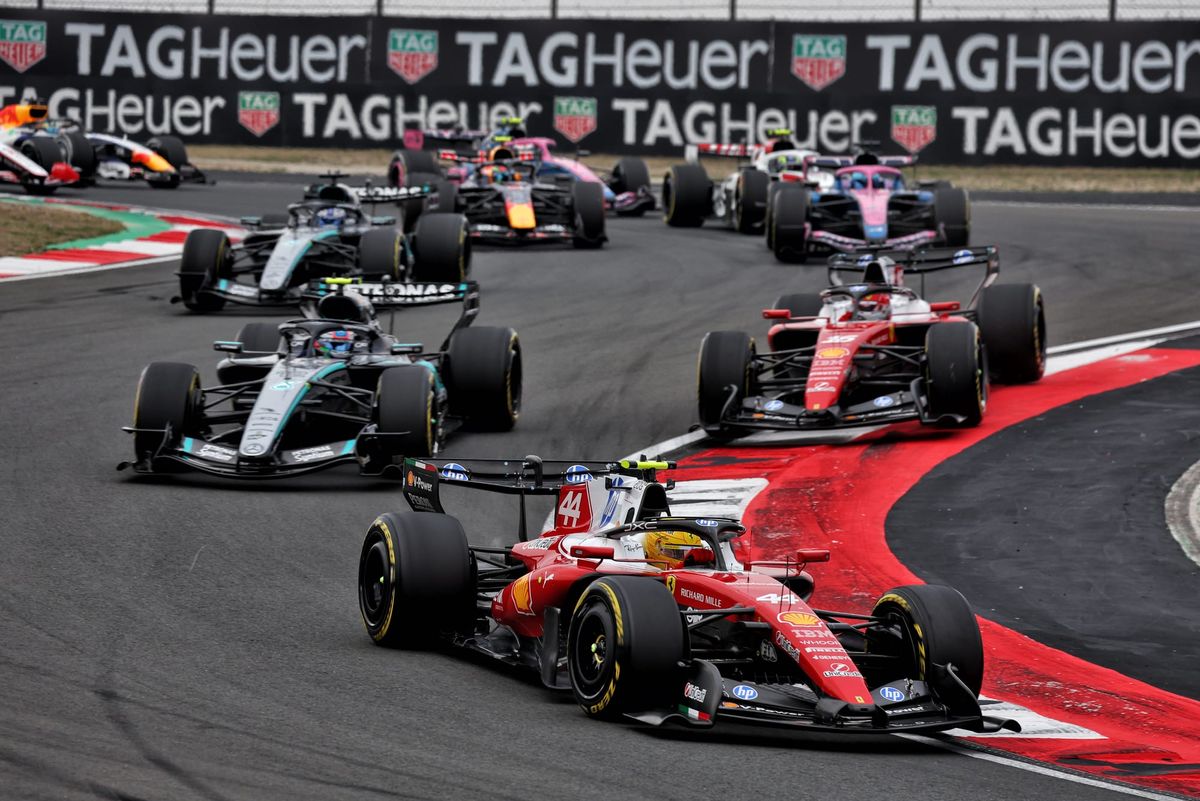
- The incident occurred when Bearman's Haas, recovering energy, approached Franco Colapinto's much slower car at Spoon Curve with a closing speed estimated at 50 kph faster.
- Forced to take evasive action, Bearman hit the grass, slid across the track, and slammed into the barrier, registering a 50G impact. He escaped with only a badly bruised knee.
- Wurz's Proposed Solution: The GPDA president advocates for a standardized software patch mandated for all teams. This software would prevent sudden power deployment spikes at high speed by factoring in variables like speed and track position, ensuring linear acceleration and deceleration.
- Driver Reaction: Wurz revealed the exclusive drivers' WhatsApp group "exploded" after the crash, filled with emotional reactions, technical proposals, and a unified push to be heard by the sport's rulemakers, highlighting the severity of their concern.
- The core danger, as explained by Wurz, is the non-linear speed change. A driver managing his battery cannot know if the car ahead is harvesting energy, making it impossible to calculate a safe closing speed, leading to dangerous surprises.
What's next:
The crash has intensified pressure on the FIA and F1 to address what drivers see as a fundamental flaw in the new power unit regulations. Wurz's public push for a standardized software fix provides a clear, technical pathway for a solution. Whether the governing bodies will mandate such a change before a more serious incident occurs is now a pivotal safety question for the remainder of the season.
Don't miss the next lap
Get the deep dives and technical analysis from the world of F1 delivered to your inbox twice a week.
Zero spam. Only high-octane analysis. Unsubscribe anytime.
Join the inner circle
Get the deep dives and technical analysis from the world of F1 delivered to your inbox twice a week.
Zero spam. Only high-octane analysis. Unsubscribe anytime.