Alonso: Current F1 cars too easy, '50% of team' could drive them
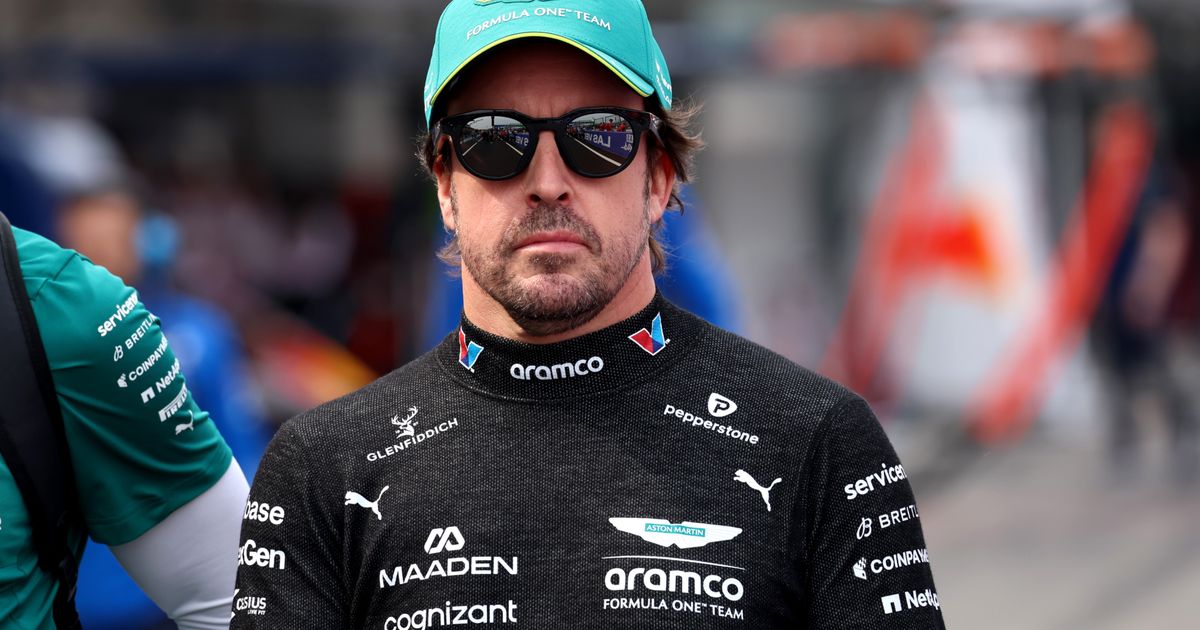
Fernando Alonso claims modern F1 cars have become so easy to drive that 50% of his team could manage it, arguing high-speed corners are now just battery recharge zones that remove driver skill. He also criticized overtakes as becoming 'unintentional' due to battery power differences rather than strategic maneuvers.
Fernando Alonso has launched a scathing critique of modern Formula 1 cars, claiming the technical challenge for drivers has been so diminished that nearly half of his Aston Martin team could drive one at a circuit like Suzuka. The two-time champion argues that high-speed corners have become mere "charging stations" for the hybrid battery, removing the skill required to navigate them and reducing overtakes to unintentional battery-power mismatches.
Why it matters:
Alonso's blunt assessment strikes at the heart of a long-running debate about the balance between technological competition and driver skill in F1. His comments suggest that recent aerodynamic and power unit regulations, intended to improve racing, may have inadvertently simplified the core driving challenge at legendary circuits, potentially alienating purists and the sport's top competitors who thrive on difficulty.
The details:
- Alonso stated that the unique challenge of Suzuka's famed high-speed sections is "gone," doubling down on his early-season comment that "the chef could drive the car."
- He explained that drivers now must lift off the throttle or turn down the battery in fast corners to recharge the Energy Recovery System (ERS), fundamentally changing the approach to these sequences.
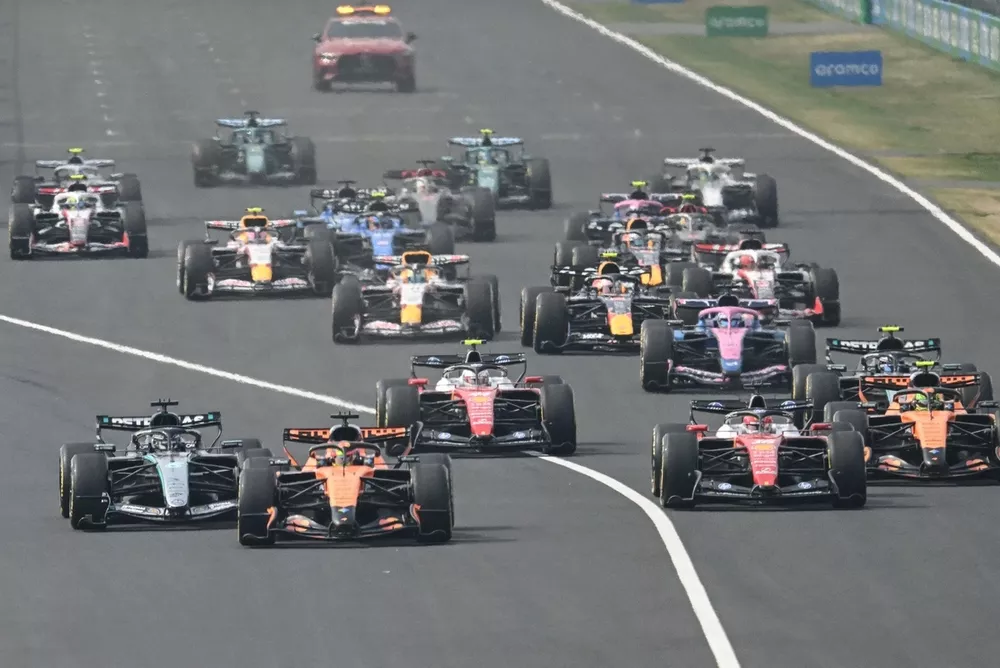
- A Predictable Warning: Ahead of the Japanese Grand Prix, Alonso warned of "unintentional" overtakes stemming from battery deployment advantages, a prediction that materialized with incidents like Oliver Bearman's crash.
- He described modern passes as "more of an avoidance move than a proper overtake," criticizing the lack of strategic driver input.
- The Spaniard has been consistently vocal in his criticism throughout the season, using the Suzuka weekend as a platform to amplify his concerns about the current regulatory era.
What's next:
While Alonso's views represent one driver's perspective, they add significant weight to the ongoing discussion about F1's future direction.
- The FIA and Formula 1 are continuously evaluating regulations, with the 2026 power unit rules already set and chassis regulations under development.
- Alonso's comments will likely fuel calls for future rules to better preserve the physical and technical demands on drivers, ensuring circuits like Suzuka, Spa, and Silverstone remain ultimate tests of skill, not just efficiency.
- As one of the grid's most experienced and respected voices, his public critique increases pressure on the sport's governing bodies to address these perceived shortcomings in the next regulatory cycle.
Don't miss the next lap
Get the deep dives and technical analysis from the world of F1 delivered to your inbox twice a week.
Zero spam. Only high-octane analysis. Unsubscribe anytime.
Join the inner circle
Get the deep dives and technical analysis from the world of F1 delivered to your inbox twice a week.
Zero spam. Only high-octane analysis. Unsubscribe anytime.
Continue Reading
View More News