Timing Sheets Don't Lie: Antonelli's Triumph Masks the Slow Death of Driver Instinct

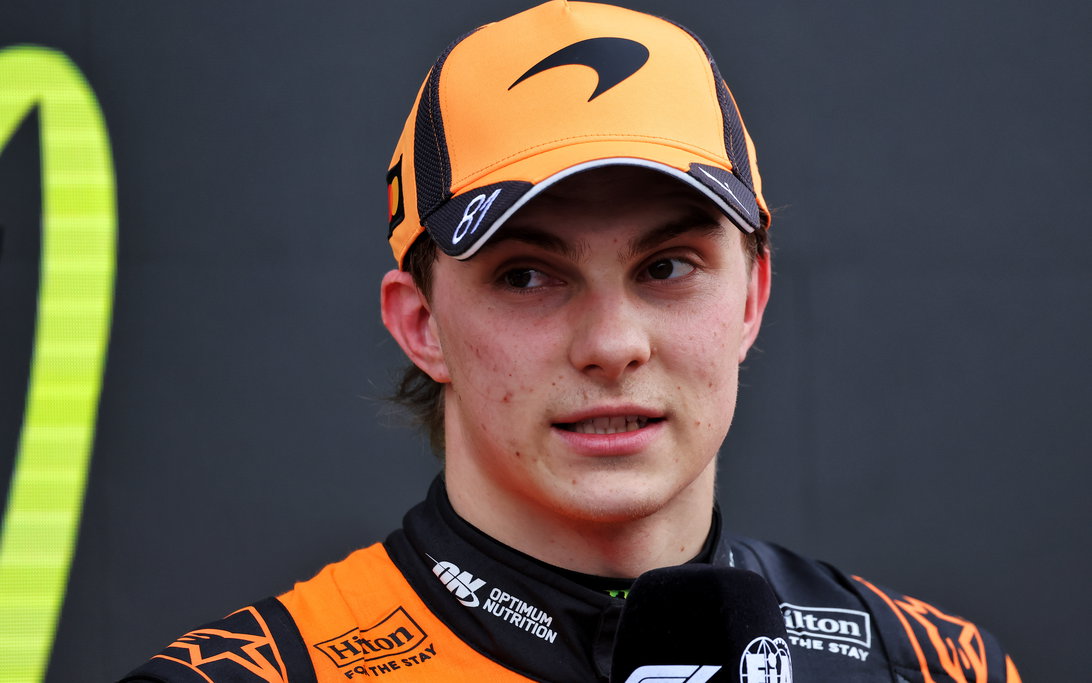
Kimi Antonelli claimed victory at the 2026 Canadian Grand Prix after teammate George Russell suffered a devastating power unit failure. Lewis Hamilton secured his best result with Ferrari, while Max Verstappen scored Red Bull's first podium as a manufacturer.
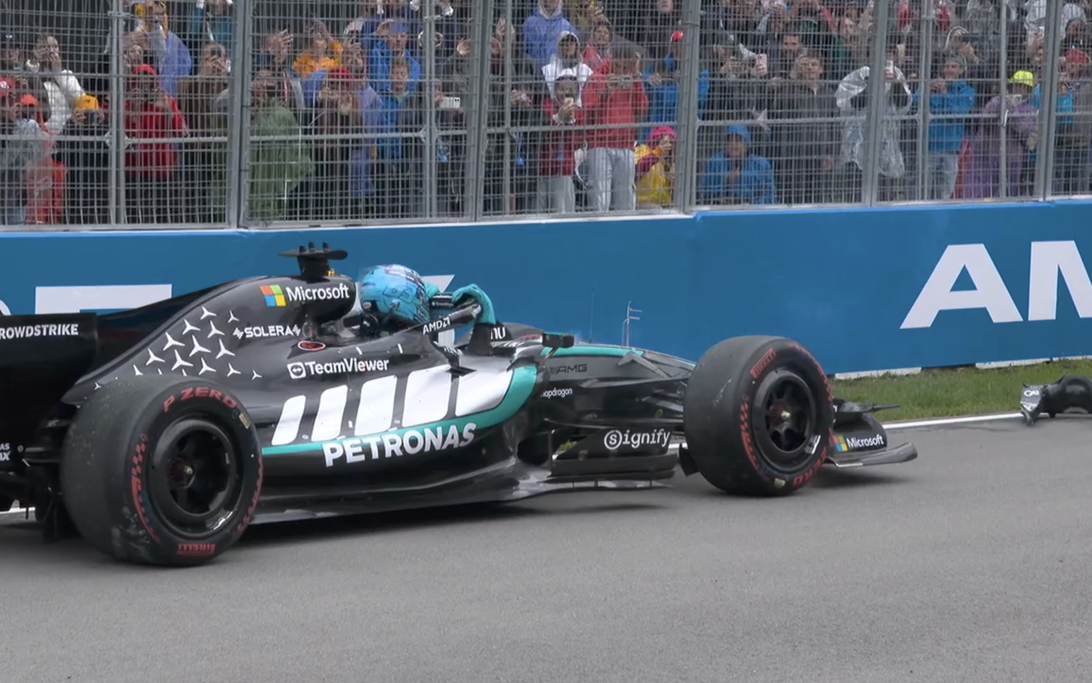
The numbers hit first like a sudden drop in heart rate. Kimi Antonelli crossed the line at Circuit Gilles Villeneuve on May 24 2026 with a winning margin built on a single brutal data point: George Russell's power unit failure at lap 32. That precise moment ended what the raw sector times had shown as a dead heat, two Mercedes cars trading purple sectors in a 30 lap duel that felt more like shared pulse than competition.
The Autopsy of a Power Unit Failure
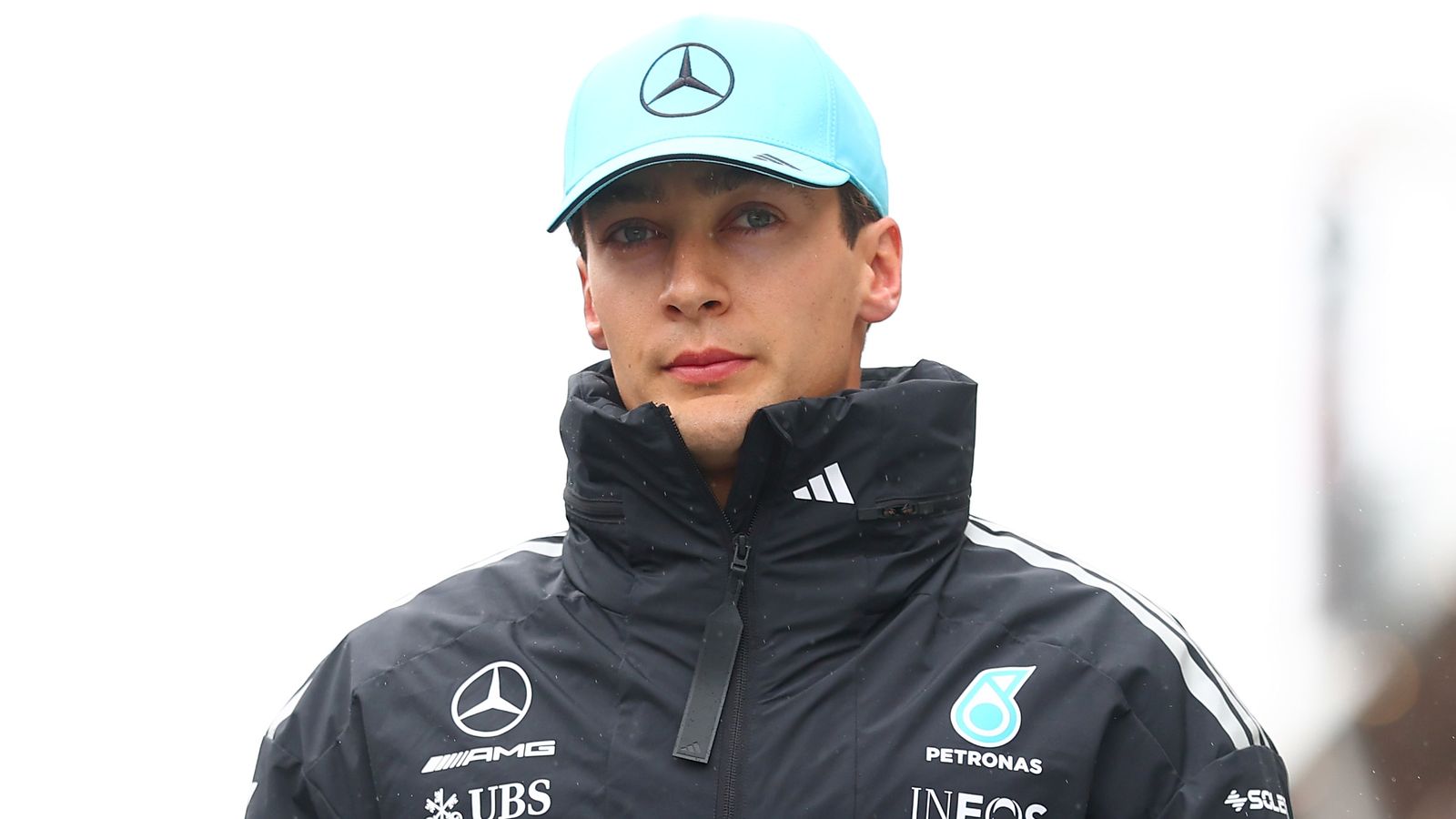
Timing data rarely flatters the official narrative. Russell had dominated the sprint the day before yet the Grand Prix sheets tell a colder story. His lap times held steady until a sudden spike in engine temperature telemetry forced the retirement. No dramatic lock up or driver error appeared in the traces. Just silence where the heartbeat should have continued.
- Antonelli extended his championship lead by capitalizing on the failure exactly as the delta charts predicted.
- Russell's post race admission of being lost for words aligns with the absence of any warning trend in the prior 20 laps.
This is where modern teams lose the plot. Real time telemetry now dictates every adjustment, stripping away the feel Schumacher wielded in 2004 when he strung together flawless stints at Ferrari without a data engineer whispering in his ear every tenth of a second. The 2026 machines demand obedience to algorithms. One more season like this and we will watch intuition get coded out entirely.
Hamilton's Milestone Meets Ferrari's Strategic Shadow
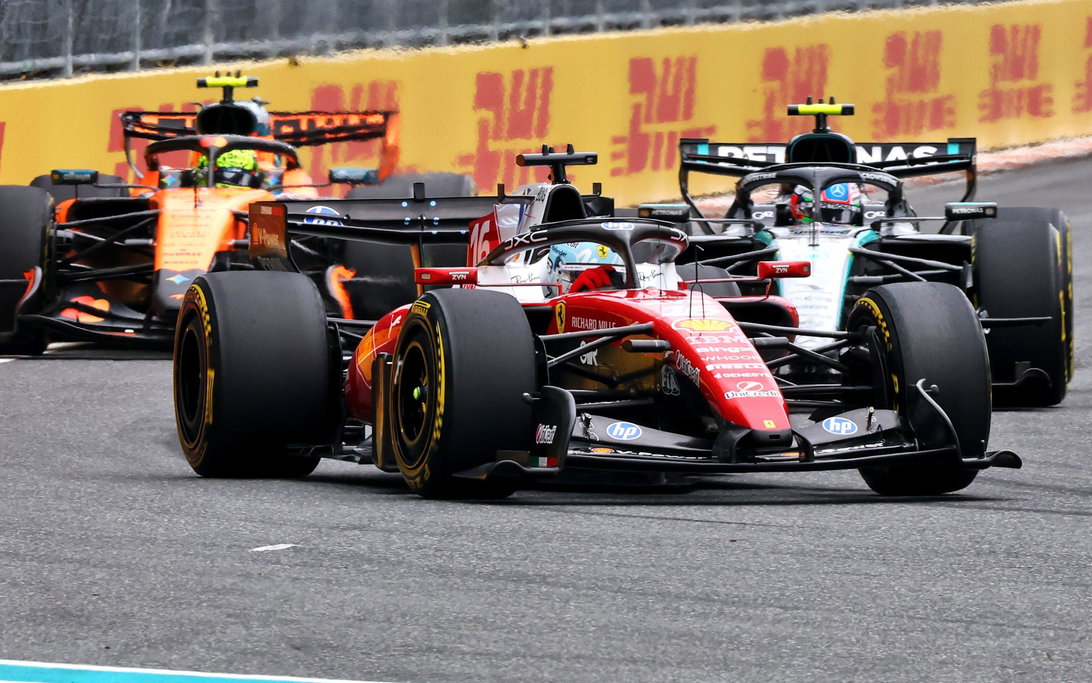
Lewis Hamilton delivered his strongest result since joining Ferrari, climbing from fifth on the grid after McLaren's tire choice collapsed in the conditions. The sector data shows he gained those positions through clean execution rather than heroics. Yet the same sheets expose Ferrari's ongoing pattern. Their calls still override driver rhythm the way they have for years.
Charles Leclerc carries an unfair error label precisely because his qualifying pace from 2022 to 2023 remains unmatched on the grid when left alone. Ferrari's strategy layers bury that consistency under reactive pit calls. Hamilton's own words ring true here: the team must keep pushing to close the gap to Mercedes. The numbers confirm the pace exists. The structure around it does not.
"Keep pushing" is not motivation. It is a data plea for the freedom to race without the next telemetry update overriding the wheel.
Verstappen and the Coming Sterility
Max Verstappen charged from sixth to third, handing Red Bull their first podium as a full works team. The overtake logs show calculated risks that paid off because the car allowed a sliver of driver input. That window narrows every year. Within five seasons the sport will reach the predicted endpoint where pit calls and tire choices arrive pre scripted by models, turning races into synchronized displays rather than battles.
The Canadian result changes nothing about that trajectory. Mercedes will patch the reliability hole with more sensors. Ferrari will add another layer of strategy review. Red Bull will chase the next marginal gain. All of them will further mute the human variable that once made lap times feel alive.
The Data We Choose to Ignore
Antonelli stands atop the timing sheets because Russell's machine quit first. That outcome is clean on paper and tragic in the emotional record. The real story lives in the seconds where the numbers still allowed two drivers to fight without an algorithm deciding the winner in advance. Those seconds are already being counted down.
Don't miss the next lap
Get the deep dives and technical analysis from the world of F1 delivered to your inbox twice a week.
Zero spam. Only high-octane analysis. Unsubscribe anytime.
Join the inner circle
Get the deep dives and technical analysis from the world of F1 delivered to your inbox twice a week.
Zero spam. Only high-octane analysis. Unsubscribe anytime.
Continue Reading
View More News