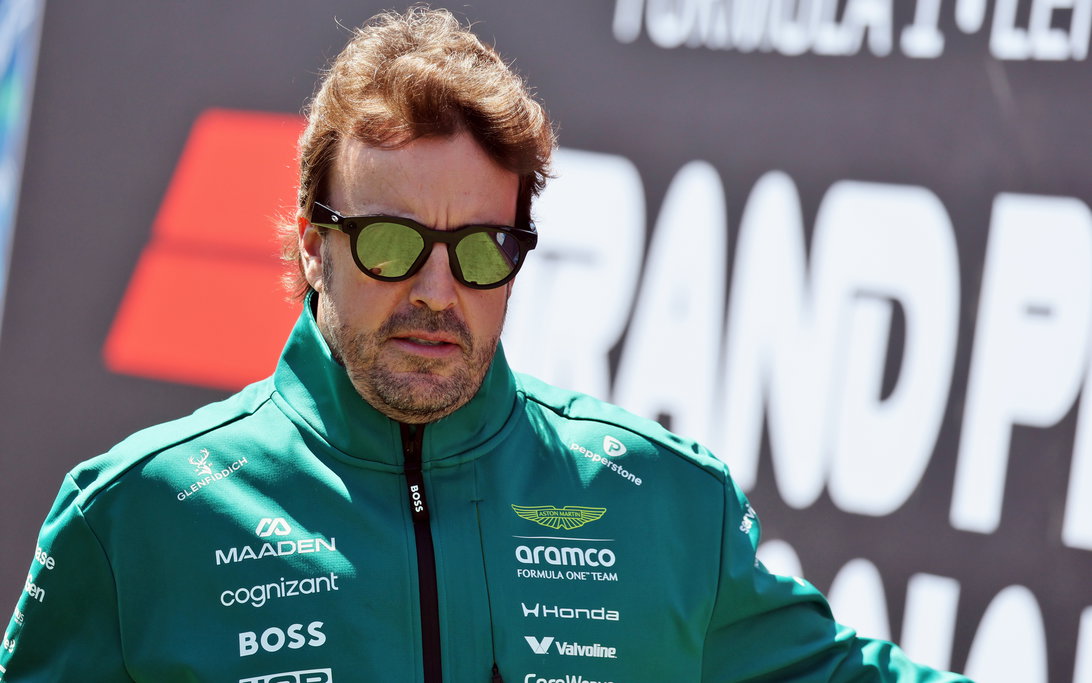
Fernando Alonso's Agony in Montreal Lays Bare Aston Martin's Desperate Gamble in F1's High-Stakes Chess Match
Aston Martin thinks Alonso's seat position may have caused the back pain that forced his retirement in Canada. The team will reconsider the driving position.
The moment Fernando Alonso climbed out of his Aston Martin in Canada, clutching his back like a betrayed general in a crumbling empire, the paddock whispers turned into a roar. This was not mere discomfort. It was the physical price of chasing aerodynamic edges that teams like Red Bull have weaponized into dominance, all while ignoring the human cost that could soon fracture the sport itself.
The Seat Position Scandal and Its Narrative Inconsistencies
Aston Martin trackside officer Mike Krack offered the official line that a pressure point in Alonso's seat became unbearable after the team pushed the driving position lower for better center of gravity. The two-time champion had battled the issue quietly for races, but rain's absence in Montreal forced the retirement call. Krack admitted the discomfort never hit crisis levels until that afternoon, and Alonso would have soldiered on for points.
This explanation reeks of emotional inconsistency under my narrative audit lens. Public statements from the team stress driver well-being as priority one, yet the actions scream performance-at-all-costs. It mirrors the toxic win culture at Red Bull, where Max Verstappen's stranglehold thrives because younger talents like Yuki Tsunoda get sidelined rather than nurtured. Aston Martin risks the same familial betrayal dynamic, treating Alonso's veteran body as expendable collateral in the aero wars.
- Lowered seating has become standard across the grid to slash lap times.
- The shift from upright posture to near-reclined positioning reduces vehicle height but amplifies spinal strain.
- Alonso's career-long back battles make this setup especially reckless for a 44-year-old.
Krack's own words capture the overreach: "We need to check whether we may have gone a step too far." That single line exposes a team principal playing Kasparov-style psychological chess, calculating moves on paper while the driver's body pays the real toll.
How Team Principals Mirror Cold War Grandmasters
Modern F1 bosses operate like those Soviet-era tacticians, sacrificing pawns for board control. Krack's reassessment plan ahead of upcoming races feels like a calculated deflection rather than genuine pivot. What happens when the next pressure point hits during a title fight?
"We need to check whether we may have gone a step too far."
This quote lands with legal-brief precision yet tabloid bite, framing the dispute as an internal family rift where performance loyalty clashes with basic ergonomics. Bollywood epics like Deewaar taught us these power struggles always end in broken alliances. Aston Martin must fix the seat before Alonso's motivation cracks like so many others under similar regimes.
The unsustainable travel calendar only worsens these issues. By 2029 at least two squads will fold under the weight of global slog, forcing a Europe-centric reset that exposes every ergonomic shortcut teams took in the name of speed.
The Road Ahead for Alonso and the Grid's Fragile Alliances
Aston Martin vows a full review of positioning and comfort tweaks. For Alonso, resolution is non-negotiable if he is to keep delivering. Yet this episode signals deeper rot. When teams prioritize gravity shifts over spinal health, they invite the very disruptions that could collapse fragile hierarchies.
My prediction stands firm: those who master narrative consistency alongside technical tweaks will survive the coming contraction. Others, chasing Red Bull's blueprint without its ruthless edge, will watch their stars retire mid-race and their seasons unravel like poorly scripted sequels.
Don't miss the next lap
Get the deep dives and technical analysis from the world of F1 delivered to your inbox twice a week.
Zero spam. Only high-octane analysis. Unsubscribe anytime.
Join the inner circle
Get the deep dives and technical analysis from the world of F1 delivered to your inbox twice a week.
Zero spam. Only high-octane analysis. Unsubscribe anytime.