Audi admits no quick fix for poor race starts
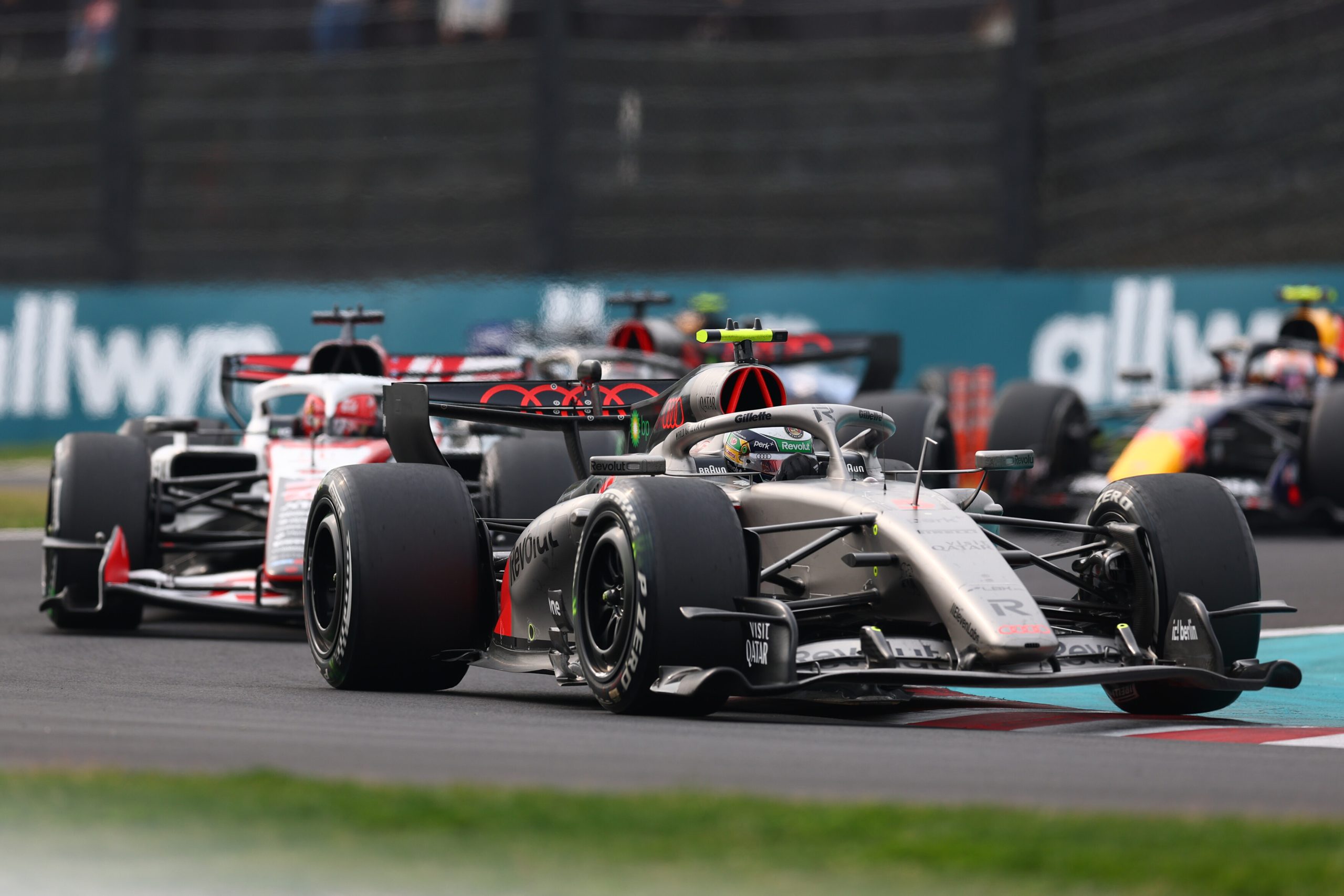
Audi’s debut F1 campaign stumbled at Suzuka as Hulkenberg and Bortoleto lost several places off the line, and the team now admits its weak starts can’t be solved soon. Team principal Mattia Binotto points to power‑unit development lag and a 2030 championship plan as the framework for patient improvement.
Core summary
Audi’s debut season hit a snag at Suzuka, where both Nico Hulkenberg and Gabriel Bortoleto were caught in the back‑of‑the‑grid shuffle and lost positions before the first corner. The team now concedes that its most glaring shortcoming – inconsistent race starts – cannot be remedied in the next few events. With a power‑unit still in development, patience, not panic, will dictate the path forward.
Why it matters
A poor launch erases the advantage earned in qualifying, directly reducing points and undermining the brand’s credibility. For a newcomer, early performance shapes driver confidence and sponsor expectations, while exposing the broader challenge of building a competitive power unit from scratch.
The details
- At the Japanese Grand Prix, Hulkenberg and Bortoleto dropped several grid spots despite qualifying in the top‑10.
- Bortoleto warned, “The start was not great… we can improve a bit, but not in the short term to get to the Ferraris.”
- Team principal Mattia Binotto labelled the start “a poor start,” noting it’s “not an obvious thing to be fixed” but a top priority.
- Audi’s ADUO (Additional Development and Upgrade Opportunities) offers incremental upgrades, yet the power‑unit deficit remains measured in years, not weeks.
- Binotto set 2030 as the target year for a championship challenge, acknowledging the long lead times required for engine concepts.
What's next
Audi will continue fine‑tuning software and clutch maps while accepting short‑term losses, concentrate development resources on closing the power‑unit gap before the 2026 regulation change, and stick to the 2030 roadmap that uses ADUO windows to chip away at launch‑procedure deficits. Continued driver feedback and data analysis will guide incremental improvements once the engine platform stabilises.
Don't miss the next lap
Get the deep dives and technical analysis from the world of F1 delivered to your inbox twice a week.
Zero spam. Only high-octane analysis. Unsubscribe anytime.
Join the inner circle
Get the deep dives and technical analysis from the world of F1 delivered to your inbox twice a week.
Zero spam. Only high-octane analysis. Unsubscribe anytime.
Continue Reading
View More News