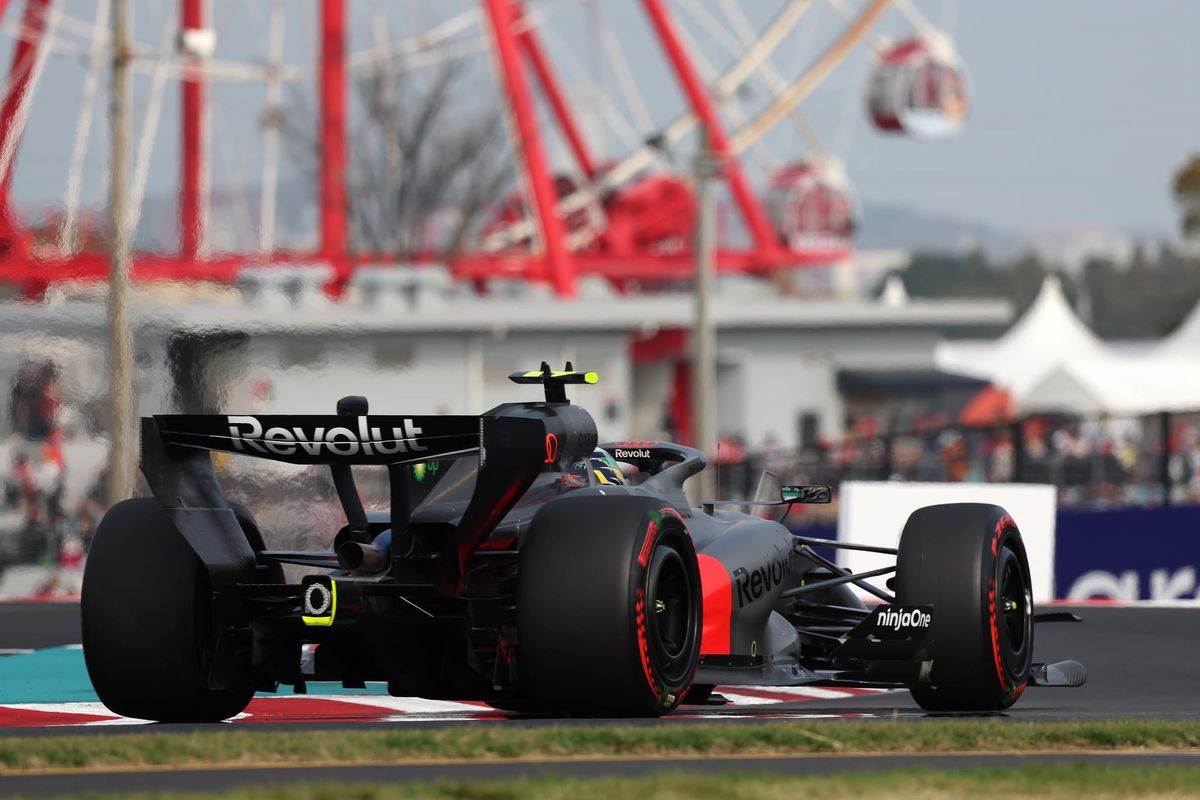
Audi's F1 engine struggles prompt major concept rethink for 2027/28
Audi F1 boss Mattia Binotto admits the team's power unit is the main source of its performance deficit, citing a complex mix of power, efficiency, and driveability issues. While software fixes offer short-term hope, the team is already planning a fundamental engine redesign for 2027 or 2028, prioritizing its long-term goal of a championship by 2030 over quick solutions.
Audi has made a respectable start to its Formula 1 journey but is already evaluating a completely new power unit concept for 2027 or 2028 to address a significant performance deficit. Project leader Mattia Binotto reveals the gap to the front is largely engine-related, but it's a complex issue of power, efficiency, and driveability—not just horsepower—that requires a fundamental redesign to meet the team's championship ambitions by 2030.
Why it matters:
Audi entered F1 with the clear, long-term goal of winning a world championship. Identifying the need for a major engine overhaul so early highlights the immense technical challenge of reaching the front of the grid and signals a strategic, patient approach focused on 2030 rather than quick fixes. This decision will define the team's competitive trajectory for the remainder of the current engine regulation cycle.
The details:
- The performance gap to pacesetter Mercedes is estimated at around 1.5 seconds per lap, with most of that deficit attributed to the power unit.
- Binotto identifies the core problem as a combination of factors: pure engine power, energy deployment efficiency, and poor driveability.
- Driveability Crisis: Harsh gear shifts are a primary issue, making the car unstable under braking and acceleration, which in turn compromises the car's overall balance and setup.
- Hardware Limitations: The team's poor race starts are linked to what is believed to be the largest turbocharger on the grid, a hardware characteristic that cannot be changed mid-season.
- Reliability Growing Pains: Audi has suffered a series of niggling reliability issues, described not as a fundamental flaw but as a variety of small problems stemming from the team's immature processes and operations.
What's next:
Audi's path forward involves a careful balancing act between short-term gains and its long-term 'Mission 2030'.
- Immediate Focus: The team will work on software and calibration improvements to better manage energy harvesting and deployment, and utilize any allowed development tokens under F1's upgrade system to find incremental gains.
- The Big Swing: The ultimate solution is a new engine concept, potentially arriving for 2028. The timeline reflects a strategic choice not to rush a redesign but to ensure it aligns with the peak development of the car and infrastructure.
- The 2030 Mandate: Binotto is adamant that short-term performance will not be prioritized at the expense of the 2030 championship goal. Resources within the budget cap will be strategically deployed for long-term building, even if it means enduring a patient climb up the competitive order.
Don't miss the next lap
Get the deep dives and technical analysis from the world of F1 delivered to your inbox twice a week.
Zero spam. Only high-octane analysis. Unsubscribe anytime.
Join the inner circle
Get the deep dives and technical analysis from the world of F1 delivered to your inbox twice a week.
Zero spam. Only high-octane analysis. Unsubscribe anytime.
Continue Reading
View More News