Ben Sulayem slams F1 critics: 'Only teams behind are complaining'
FIA president Mohammed Ben Sulayem dismisses criticism of F1's 2026 engine rules, arguing that only underperforming teams are complaining and that everyone had equal time to prepare. He also confirms discussions about accelerating a V8 return with sustainable fuels.
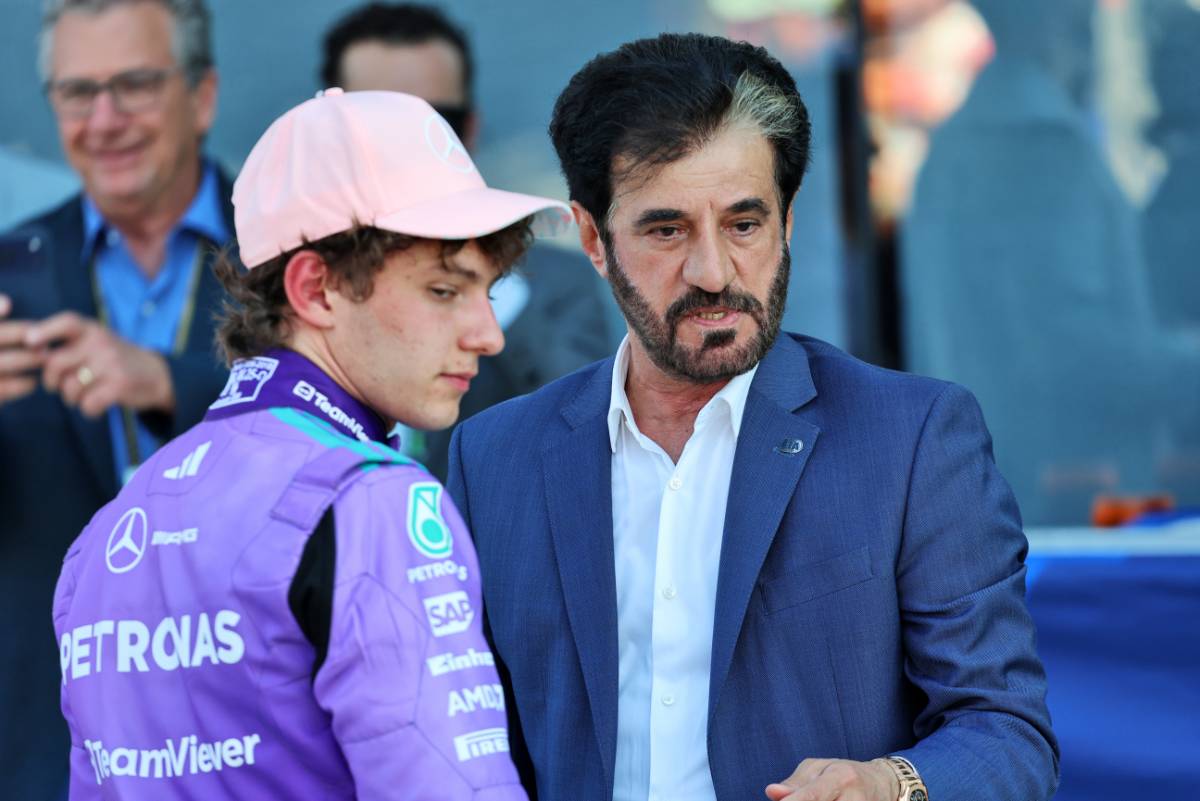
Mohammed Ben Sulayem has delivered a blunt message to Formula 1's grumbling teams over the sport's controversial new power unit regulations: stop complaining and build a better car.
The FIA president has little patience for the growing chorus of criticism surrounding F1's 2026 engine rules, particularly from teams and figures unhappy with the impact on racing and performance. From awkward drivability concerns to complaints about electrification dominating the power delivery, the new era has hardly arrived to universal applause. But according to Ben Sulayem, the outrage has a very convenient pattern: the teams winning are not the ones making noise.
Why it matters:
Ben Sulayem's stance signals the FIA's resolve to defend its regulatory process, even as the 2026 rules face early teething problems. His comments also hint at a potential major shift—a return to V8 engines—that could upend the sport's long-term technical roadmap.
The details:
- Equal preparation time: Ben Sulayem insists all manufacturers and constructors had the same runway—from August 2022 to the first Barcelona test this year—to adapt to the new regulations.
- Winners vs. losers: "It's amazing how only the people who are behind are complaining," he told Forbes. "Did you hear Mercedes or Ferrari complain? No."
- FIA admits tweaks: Following safety and drivability concerns after the opening rounds, the FIA introduced a package of changes in Miami. Ben Sulayem stressed these were practical responses, not political favours, and were made after consulting drivers and technical departments.
What's next:
Ben Sulayem confirmed he is pushing to accelerate plans for a V8 engine powered by sustainable fuels, potentially arriving as early as 2029—one year before the FIA regains full control over engine regulations in 2030. That would give the current power units barely four seasons, a stark contrast to the previous generation that lasted over a decade.
The message is clear: spend years arguing over rules, develop them at huge cost, and then immediately start planning the next debate.
Don't miss the next lap
Get the deep dives and technical analysis from the world of F1 delivered to your inbox twice a week.
Zero spam. Only high-octane analysis. Unsubscribe anytime.
Join the inner circle
Get the deep dives and technical analysis from the world of F1 delivered to your inbox twice a week.
Zero spam. Only high-octane analysis. Unsubscribe anytime.
Continue Reading
View More News