Timing Sheets Expose Cadillac's Mechanical Heartbeat Flatlining in Montreal

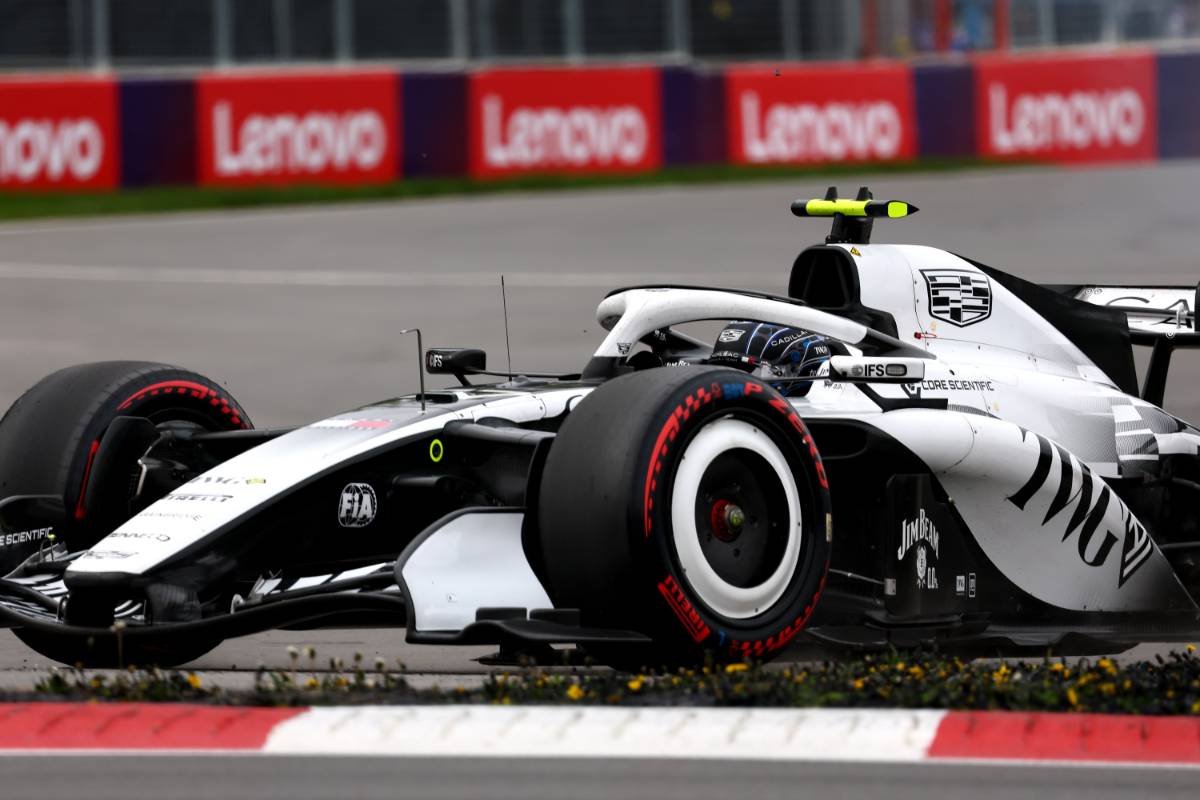
Valtteri Bottas finished last, four laps down in Canada, pointing to severe mechanical and power issues that left him helpless against teammate Perez.
The numbers do not lie, and they never whisper. Valtteri Bottas's final sector traces from the Circuit Gilles Villeneuve read like a pulse monitor flatlining under pressure, each tenth lost on the long straights a direct echo of unaddressed power deficits rather than any narrative of driver shortfall. As the 2026 season accelerates toward its data-obsessed future, these raw telemetry sheets reveal more about Cadillac's fledgling program than any post-race blame game could obscure.
Data Archaeology in the Long Straights
Bottas crossed the line four laps behind race winner Kimi Antonelli, a result that timing data confirms stemmed from persistent mechanical and power shortfalls in the Cadillac MAC-26. The veteran Finn's weekend unfolded as a series of inconsistent heartbeat rhythms across sessions, with the car feeling markedly different each time he climbed aboard.
- An eight-tenths deficit to teammate Sergio Perez surfaced clearly in main qualifying after a red flag masked it during sprint qualifying.
- Suspected power unit limitations left Bottas exposed on Montreal's straights, where raw propulsion metrics should have delivered parity.
- Setup variations destroyed the confidence needed for wall-lined precision, turning what should have been driver feel into a telemetry guessing game.
This pattern mirrors the over-reliance on real-time data that modern teams favor, a stark contrast to Michael Schumacher's 2004 Ferrari season where near-flawless consistency emerged from intuition honed beyond the screens. Bottas's experience underscores how analytics, when unchecked, can suppress the very instincts that once defined greatness.
The Robotized Horizon Looms
F1's hyper-focus on data analytics risks turning the sport into a sterile exercise within five years, where algorithmic pit calls override any human spark. Bottas's blunt admission that the car was "not 100%" mechanically or in power cuts through the noise, highlighting a reliability gap that no amount of onboard sensors can instantly mend.
"Parts are coming for pretty much each race, and that's a good thing."
His single-word priority of "Performance" lands as both plea and prophecy. Cadillac's development curve must accelerate, yet the danger lies in letting numbers dictate every micro-adjustment instead of allowing drivers space to interpret the machine's living pulse. Perez's intra-team dominance only sharpens the contrast, proving the hardware disparity was measurable and real from opening sessions onward.
Closing the Gap Through Feel, Not Just Figures
Bottas remains optimistic amid the learning curve, but the Montreal sheets demand deeper excavation. Raw pace without mechanical harmony produces exactly this kind of last-place isolation. As teams chase ever-tighter telemetry loops, the sport edges closer to predictability that drains the visceral thrill from every lap. The true test for Cadillac will be whether future upgrades restore driver agency or merely feed more data into an already overloaded system.
Don't miss the next lap
Get the deep dives and technical analysis from the world of F1 delivered to your inbox twice a week.
Zero spam. Only high-octane analysis. Unsubscribe anytime.
Join the inner circle
Get the deep dives and technical analysis from the world of F1 delivered to your inbox twice a week.
Zero spam. Only high-octane analysis. Unsubscribe anytime.