Bottas opens up on mental health battle: 'If I die, I die'
Valtteri Bottas reveals a dark period of extreme weight loss and mental health struggles during his 2014 F1 season, driven by an obsessive performance mindset. He details hiding his condition, a breaking point after a fellow driver's accident, and his path to recovery, which has led him to a happier and more balanced state as he returns to racing in 2026.
Valtteri Bottas has revealed the severe mental and physical toll of an obsessive drive to lose weight ahead of the 2014 F1 season, detailing a period of self-starvation and emotional detachment that culminated in a dangerous indifference to risk. In a personal essay, the Finn describes hitting a breaking point after Jules Bianchi's accident and his eventual path to recovery, which has led him to a happier and more balanced place as he returns to the grid in 2026.
Why it matters:
Bottas's candid account challenges the pervasive 'win-at-all-costs' mentality in elite sport, highlighting the hidden psychological pressures drivers face beyond the cockpit. His story underscores the critical importance of mental health support in a high-stakes environment where showing weakness is often seen as a liability, offering a rare and valuable perspective on the human cost of peak performance.
The details:
- The crisis was triggered by a 2014 request from his Williams team to lose 5kg, which Bottas took to an extreme, deciding to "start starving myself" with the mindset, "Why not 10? We can make the car even quicker."
- He experienced severe physical symptoms, including waking at 4 a.m. with a racing heart, dizziness, and palpitations, while being "completely delusional" about his condition.
- Bottas hid the severity from his team, teammates, and family, adhering to the paddock code that "you can’t show any weakness."
- A turning point came after Jules Bianchi's crash at Suzuka, which deepened a sense of emptiness. He recalls thinking, "I didn’t find joy in anything anymore... 'If I die, I die.'"
- He eventually sought help from a psychologist, which he called "a big relief" after months of denial, admitting he had "run myself into the ground – mentally and physically."
The big picture:
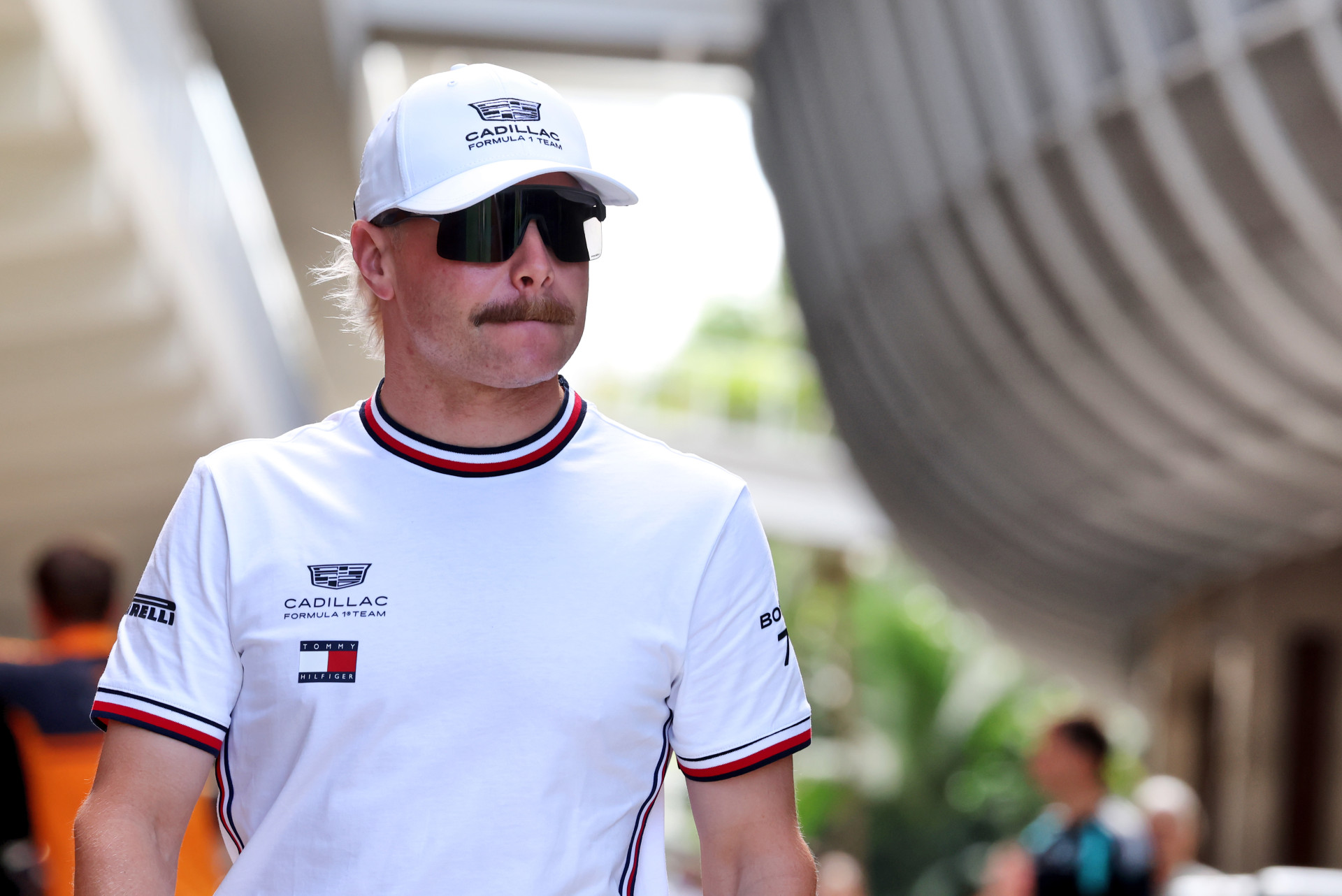
Bottas's journey reflects a broader narrative of finding purpose beyond racing. He spoke of "complicated feelings" about his supportive role at Mercedes alongside Lewis Hamilton, which nearly made him quit the sport. A pivotal winter walk in Finland helped him shift his mindset to focus on "What’s next?" Now, returning for his 250th Grand Prix with Cadillac, he claims a renewed perspective. He describes feeling healthier and more fulfilled, calling his 2026 season opener in Melbourne "the most special moment of my entire career," more meaningful than his debut, and now approaches race weekends with a sense of joy he previously couldn't access.
Don't miss the next lap
Get the deep dives and technical analysis from the world of F1 delivered to your inbox twice a week.
Zero spam. Only high-octane analysis. Unsubscribe anytime.
Join the inner circle
Get the deep dives and technical analysis from the world of F1 delivered to your inbox twice a week.
Zero spam. Only high-octane analysis. Unsubscribe anytime.
Continue Reading
View More News