Canada's asymmetry will expose F1 2026 cars more than ever
The Canadian Grand Prix presents the toughest energy recovery challenge of the 2026 season so far, with a 6MJ recharge limit and asymmetric layout forcing drivers to carefully manage battery deployment.
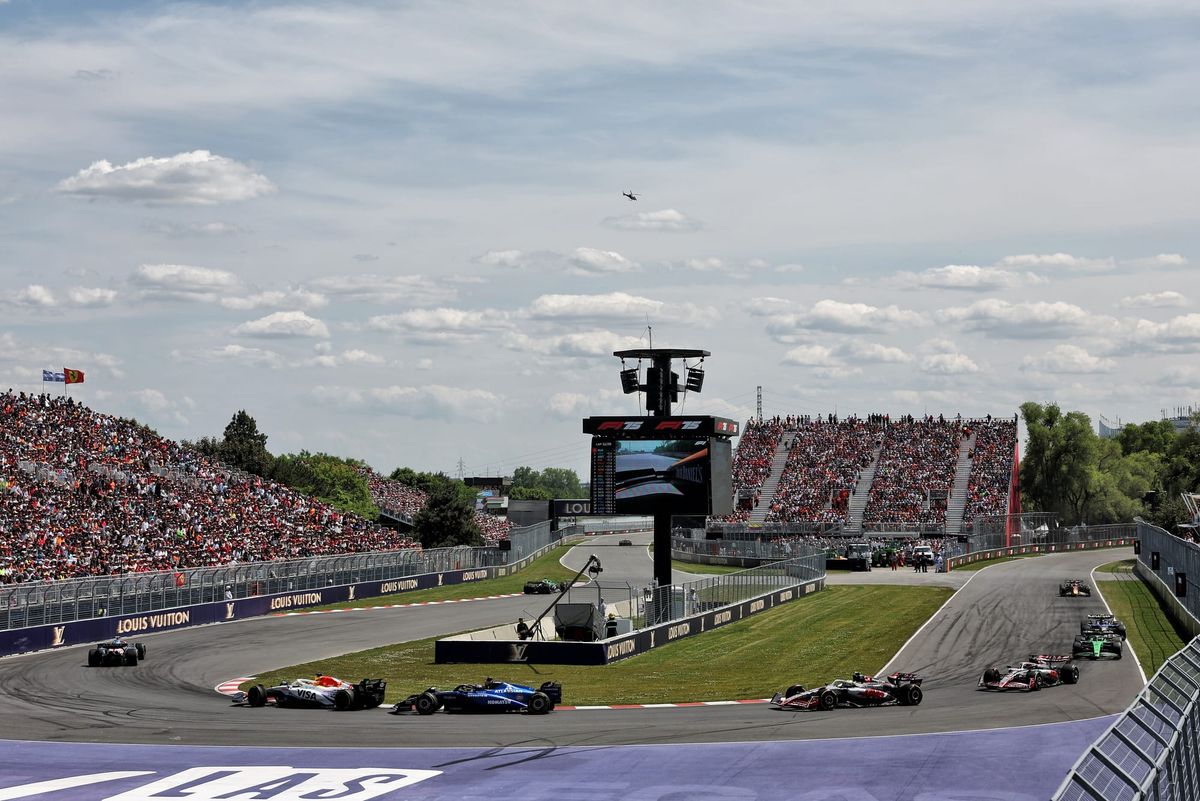
The 2026 Formula 1 regulations face their sternest test at this weekend's Canadian Grand Prix. Montreal's Circuit Gilles Villeneuve has the lowest energy recharge limit of the season in qualifying at 6MJ per lap, forcing drivers to adopt complex energy management strategies around the track's asymmetric layout. Combined with cold temperatures and tire warming difficulties, this weekend promises to expose the inherent challenges of the new cars.
Why it matters:
The Canadian GP is a proving ground for how well the 2026 regulations balance performance and energy recovery. A successful weekend here would signal that F1's push to reduce energy-saving in qualifying is working, while struggles could prompt further adjustments. The outcome may influence future recharge limit calibrations at other demanding circuits.
The details:
- Asymmetric challenge: The first half of the circuit features heavy braking and short straights, enabling easy energy recovery. However, the final sector – from the hairpin through the chicane to the start/finish straight – demands high deployment with limited recharge opportunities. Drivers must avoid over-harvesting early to ensure enough energy for the long run out of the hairpin.
- Low recharge limit: Canada joins Austria and Las Vegas at 6MJ per lap, only above Monza's 5MJ. The FIA reduced the limit to deter extreme energy-saving tactics. If drivers hit the ceiling too early, they cannot harvest more until crossing the line, risking a depleted battery.
- Tire temperature woes: The smooth, low-energy layout makes it one of the hardest tracks to get tires into the window. Cold fronts are common, and this year's earlier May date brings lower temperatures (as low as 5°C overnight). Drivers may need extra preparation laps, but energy limits restrict aggressive warming.
- Pirelli compounds: The softest available tires are a step harder than last year (C6 removed), increasing graining risk, though Pirelli says new 2026 tire designs reduce that.
The big picture:
The Canadian GP highlights a recurring challenge for the 2026 generation: balancing stringent energy rules with traditional track demands. Success here could validate the regulations, while failures may lead to further tweaks ahead of the summer break.
Don't miss the next lap
Get the deep dives and technical analysis from the world of F1 delivered to your inbox twice a week.
Zero spam. Only high-octane analysis. Unsubscribe anytime.
Join the inner circle
Get the deep dives and technical analysis from the world of F1 delivered to your inbox twice a week.
Zero spam. Only high-octane analysis. Unsubscribe anytime.
Continue Reading
View More News