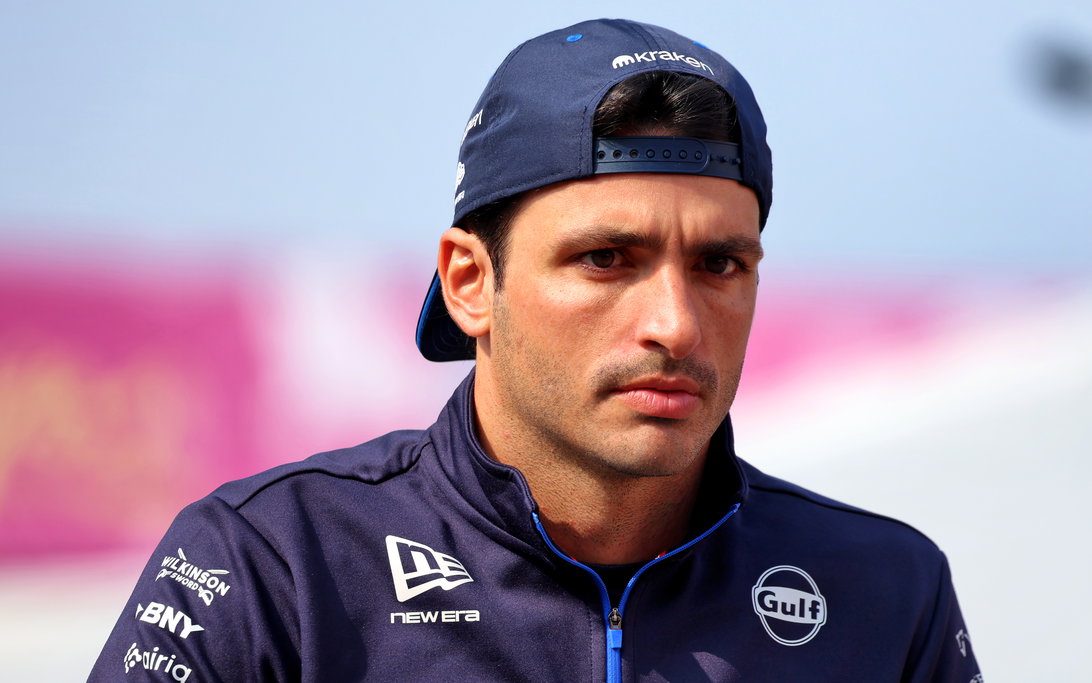
Carlos Sainz criticizes FIA after Bearman's high-speed crash
Carlos Sainz has condemned the FIA for ignoring driver safety warnings after Oliver Bearman's 50G crash in Japan, caused by high closing speeds under new F1 regulations. The Ferrari driver warned that similar incidents on street circuits could be disastrous and urged immediate changes.
Carlos Sainz has sharply criticized the FIA for ignoring repeated driver warnings about dangerous closing speeds under Formula 1's new regulations, following Oliver Bearman's heavy 50G crash at the Japanese Grand Prix. The Ferrari driver and GPDA director expressed frustration that the governing body prioritized 'exciting' racing over safety concerns, warning that a similar incident on a street circuit could have catastrophic consequences.
Why it matters:
The crash highlights a fundamental safety debate in F1: balancing spectacle with driver protection. Drivers have been vocal for months about the risks posed by the 2026 car regulations, which create large speed differentials between cars harvesting and deploying energy. Ignoring these warnings risks a serious accident, especially on confined street circuits like Baku or Singapore, where there are no expansive run-off areas like Suzuka's Spoon curve.
The details:
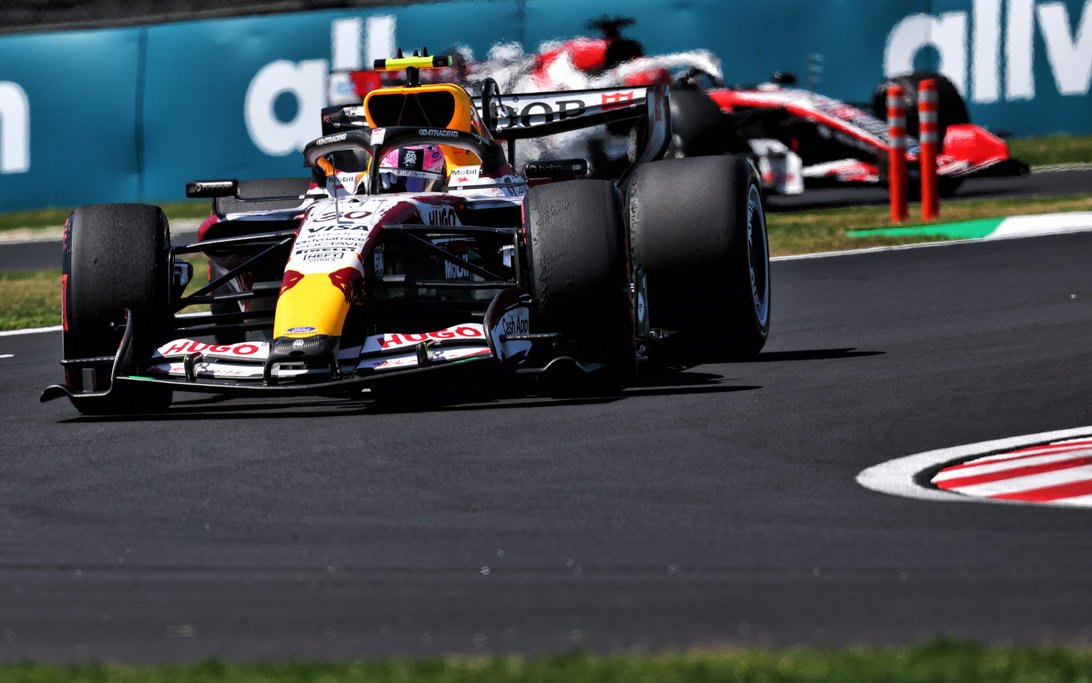
- The incident occurred on Lap 21 when Bearman, deploying battery energy, rapidly closed on Franco Colapinto's Alpine, which was harvesting energy.
- The closing speed was approximately 29.7 mph (48 kph), leaving Bearman no time to react. He swerved, hit brake marker boards, and impacted the wall sideways, registering a 50G force.
- Bearman limped away and was later cleared of major injury, suffering only bruising on his right knee.
- Sainz revealed that the FIA had previously dismissed drivers' racing concerns, focusing only on qualifying fixes. He quoted officials as saying, "leave the racing alone because it is exciting."
- A Stark Comparison: Sainz emphasized the severity by comparing it to his own 46G crash at the 2015 Russian Grand Prix, underscoring that Bearman's impact was even more severe.
What's next:
Sainz stated he is "hopeful" the FIA will implement a better solution by the Miami Grand Prix to mitigate these extreme closing speeds. The key pressure point is whether the governing body will now prioritize direct driver feedback over team opinions and the pursuit of spectacle. This incident serves as a critical test case for the FIA's reactive safety processes and its willingness to adapt regulations mid-season based on clear, pre-emptive warnings from the drivers themselves.
Don't miss the next lap
Get the deep dives and technical analysis from the world of F1 delivered to your inbox twice a week.
Zero spam. Only high-octane analysis. Unsubscribe anytime.
Join the inner circle
Get the deep dives and technical analysis from the world of F1 delivered to your inbox twice a week.
Zero spam. Only high-octane analysis. Unsubscribe anytime.
Continue Reading
View More News