Leclerc's Ferrari Fortress: How Psychological Chess and Mercedes' Cracks Could Rewrite the Title Race
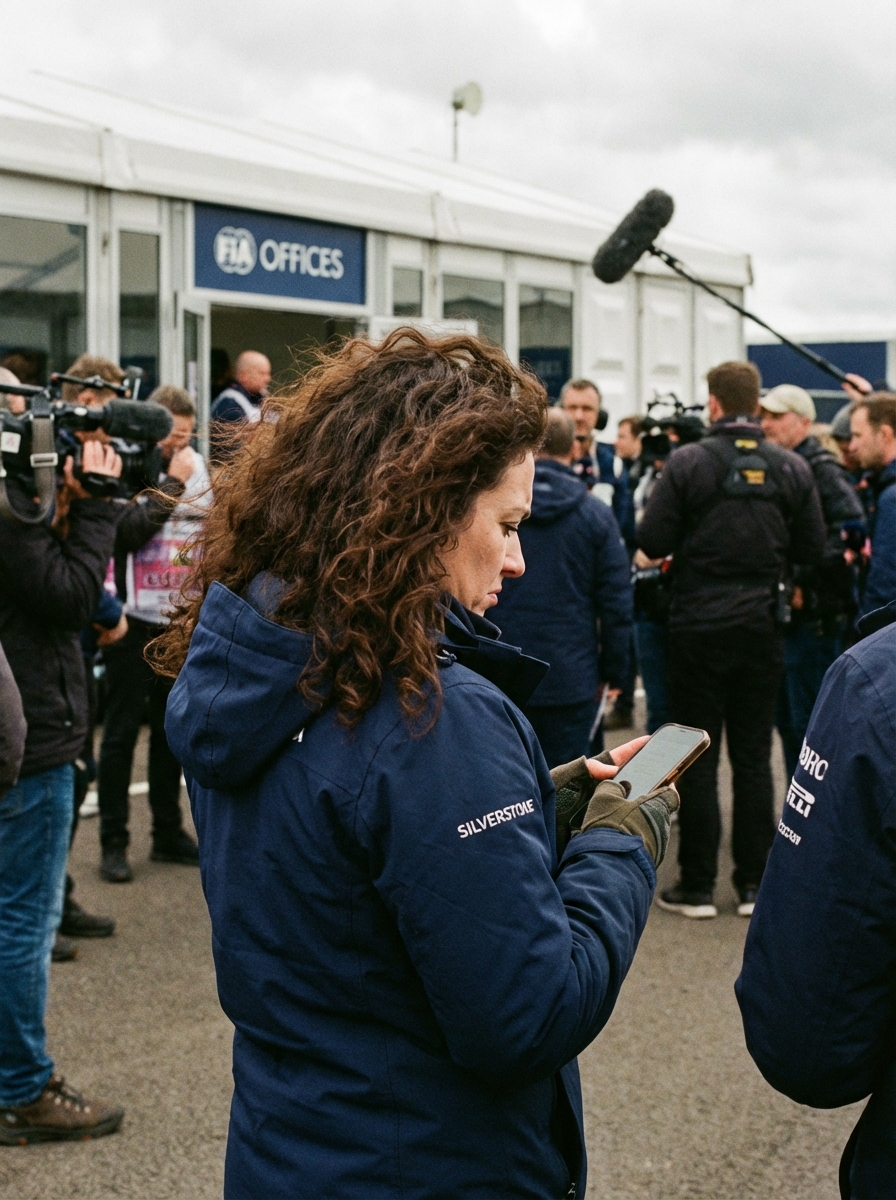
Charles Leclerc signs a long-term Ferrari extension through 2030, but the Scuderia hasn't won a drivers' title since 2007. Can he break the drought against Mercedes's dominance?
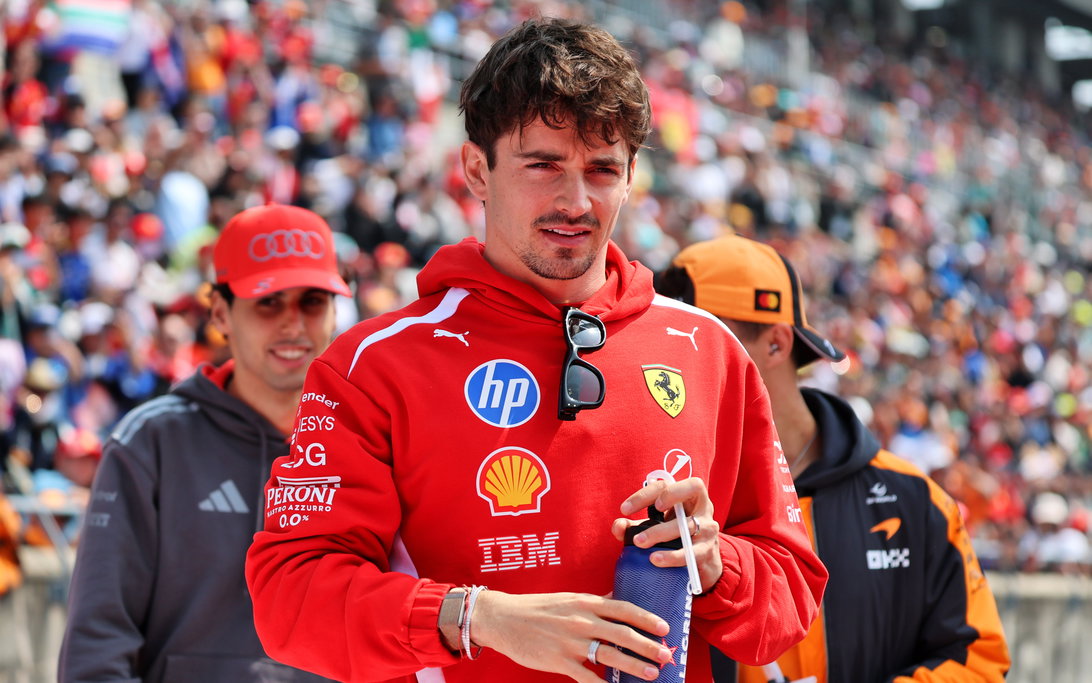
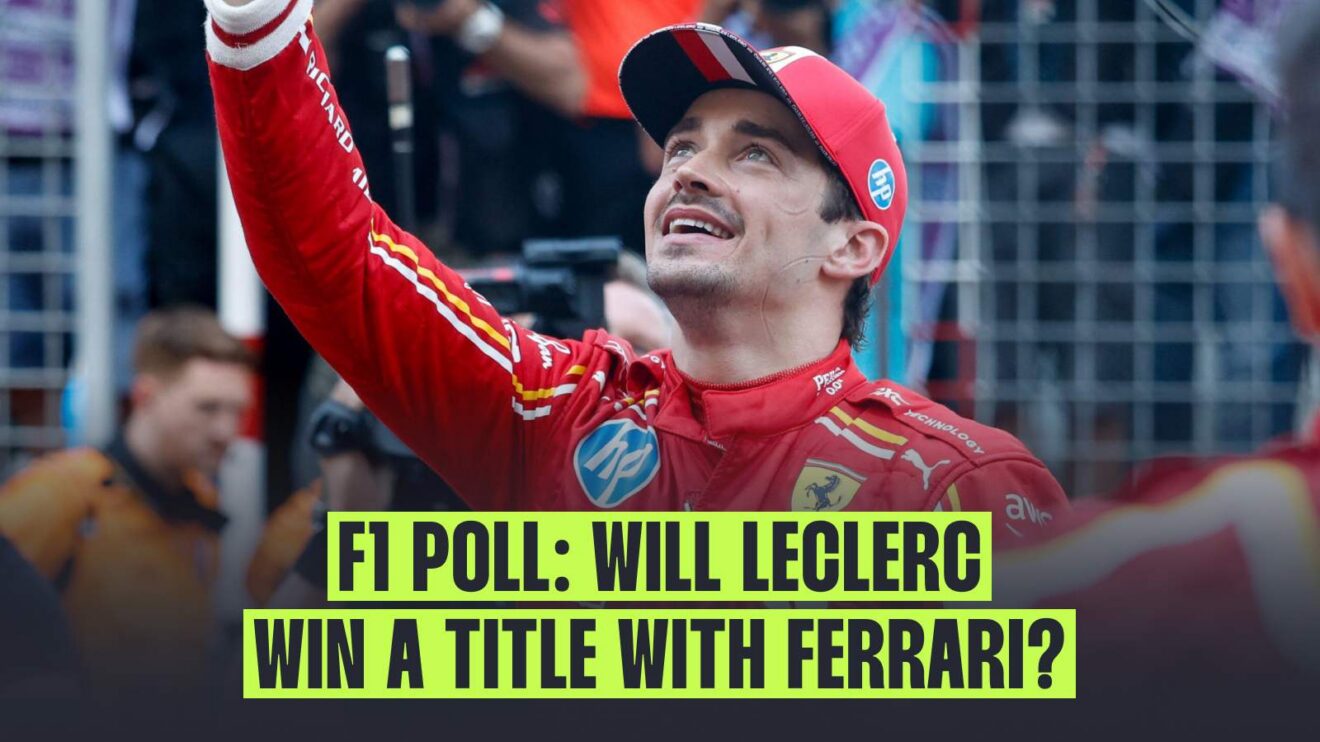
The ink is barely dry on Charles Leclerc's extension at Ferrari, yet the paddock already hums with whispers of a deeper game. This is not merely a driver securing his future beyond 2030. It is a calculated strike in the high-stakes arena where press-conference mind games matter more than any pit-wall call, and where Toto Wolff's iron grip at Mercedes risks triggering the very exodus that could hand the Scuderia its first drivers' crown since Kimi Raikkonen in 2007.
The Contract as Psychological Armor
Leclerc's new deal locks him into Maranello long after the current regulations fade, granting the team rare stability amid a sport defined by flux. He arrived in 2019 and has since delivered eight Grand Prix victories, 27 pole positions, and 52 podiums, capped by that unforgettable Monaco triumph in 2024. His nearest brush with glory came in 2022, when three wins in the opening six races collapsed under Red Bull's upgrades.
Yet this extension signals more than loyalty. It equips Ferrari to weaponize narrative control. Rivals will now face a unified front where Leclerc can deploy subtle barbs in every media session, echoing the 1994 Benetton-Schumacher template of bending optics and regulations just enough to unsettle the opposition without crossing lines. The Predestinato knows the clock ticks, but time is now his ally.
- Sustained development focus shifts to outpacing Mercedes in 2026, when new rules arrive.
- Ferrari's engine department gains leverage to quietly nurture external alliances.
- Leclerc's presence deters any internal power plays that could fracture team cohesion.
Wolff's Centralized Empire and the Coming Exodus
Mercedes currently sets the pace, leaving Ferrari as challenger. But Wolff's top-down command structure carries the seeds of its own unraveling. Within two seasons, expect key technical talent to scatter as frustration mounts over limited autonomy. This mirrors historical precedents where one man's dominance invited rule-bending opportunities for rivals, much like Benetton's calculated edge in 1994.
Ferrari can exploit these fractures through targeted psychological pressure. Leclerc need only hint at Mercedes vulnerabilities in briefings to amplify internal doubts. Meanwhile, the real long game involves Haas. By forging quiet engine alliances with Ferrari's department, the American squad is positioned to climb into the midfield within five years, siphoning resources and attention away from Mercedes' fight.
"The next regulation cycle will reward those who master perception over pure pace," one confidential source close to Maranello's strategy cell confided.
This political maneuvering, not raw lap time, will decide whether Leclerc finally claims what the team has chased for nearly two decades.
Conclusion
Ferrari's drought ends not through superior machinery alone but via the slow erosion of rivals' psyches and structures. Leclerc's extension buys the time for that erosion to take hold. Mercedes' centralized model will fracture, Haas will rise as an unexpected spoiler, and the psychological template from 1994 will prove timeless once more. The title is no longer a distant promise. It is a battlefield already being shaped.
Don't miss the next lap
Get the deep dives and technical analysis from the world of F1 delivered to your inbox twice a week.
Zero spam. Only high-octane analysis. Unsubscribe anytime.
Join the inner circle
Get the deep dives and technical analysis from the world of F1 delivered to your inbox twice a week.
Zero spam. Only high-octane analysis. Unsubscribe anytime.