Drivers and fans push back as F1's 50:50 hybrid formula faces growing criticism
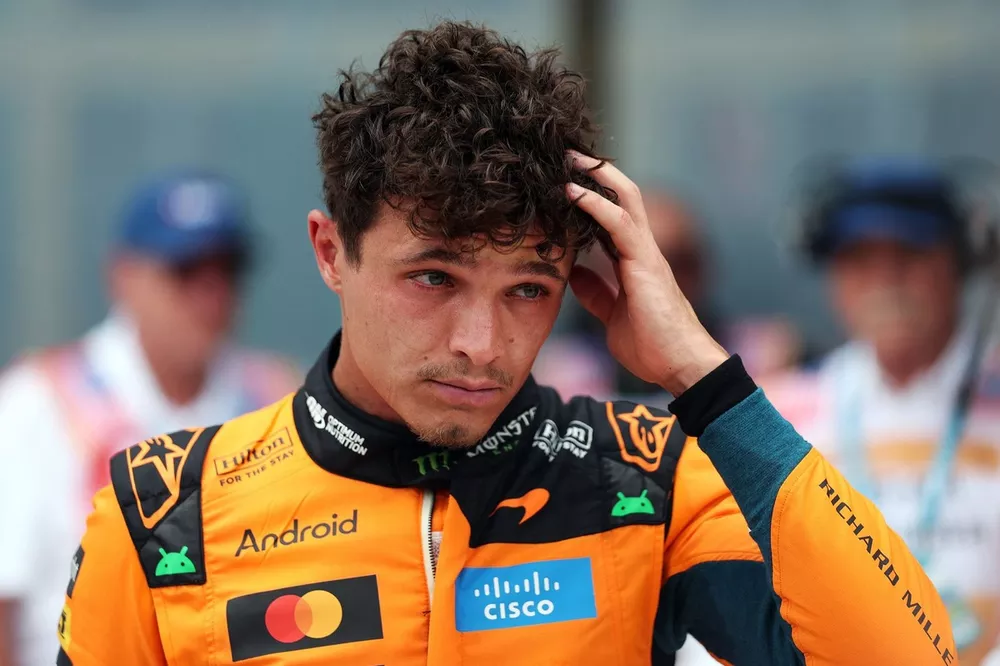
F1 drivers including Lewis Hamilton and Lando Norris are voicing strong frustration over the 2026 technical rules, calling the 50:50 hybrid split flawed and demanding a seat at the table for future regulation decisions.
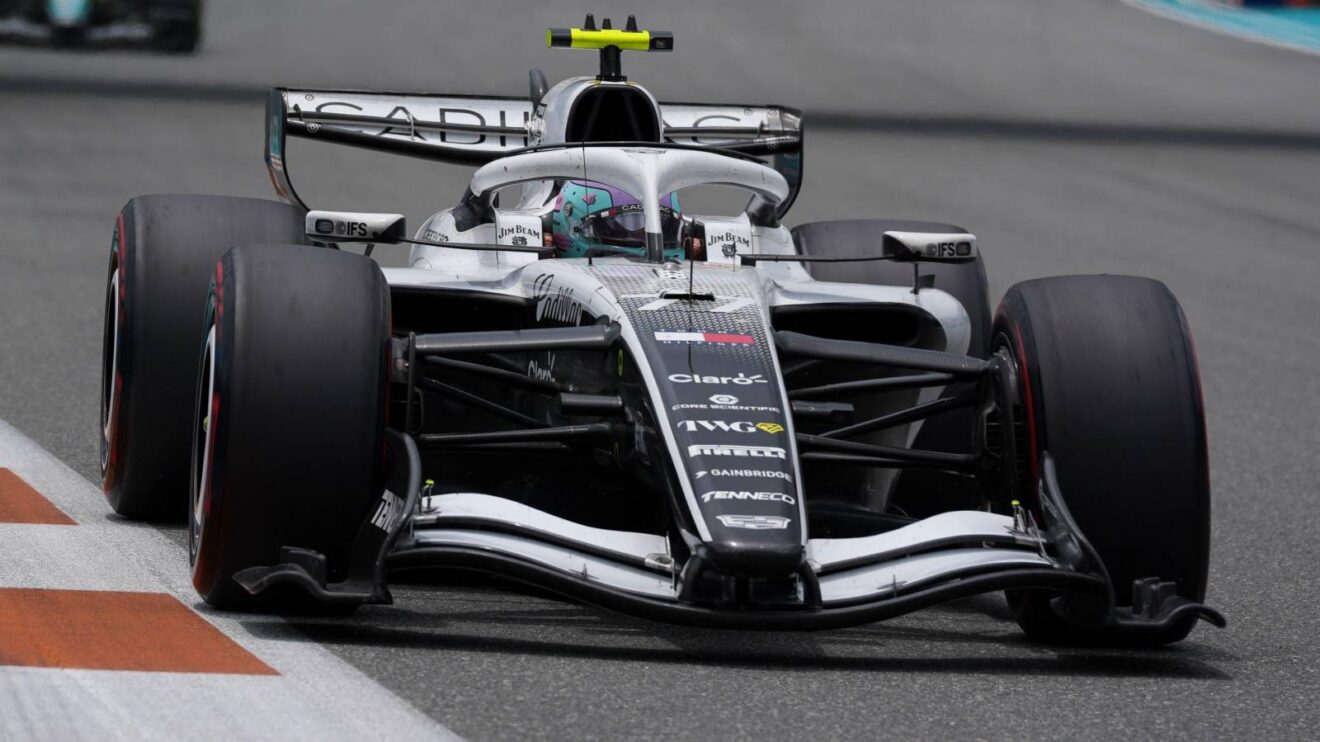
A broad coalition of Formula 1 drivers and fans is increasingly vocal against the current 2026 technical regulations, which many see as producing artificial racing driven by electrical deployment rather than pure driver skill. Despite F1 CEO Stefano Domenicali defending the spectacle, the consensus among drivers is that the 50:50 split between internal combustion and electrical power is fundamentally flawed.
Why it matters:
The pushback from the grid's top talent threatens to undermine the credibility of F1's future direction. With manufacturers having driven the electrification agenda in 2022, the current rules were agreed without full driver input—a mistake the sport now struggles to correct through patchwork fixes like active aerodynamics and strict energy harvesting limits.
The Details:
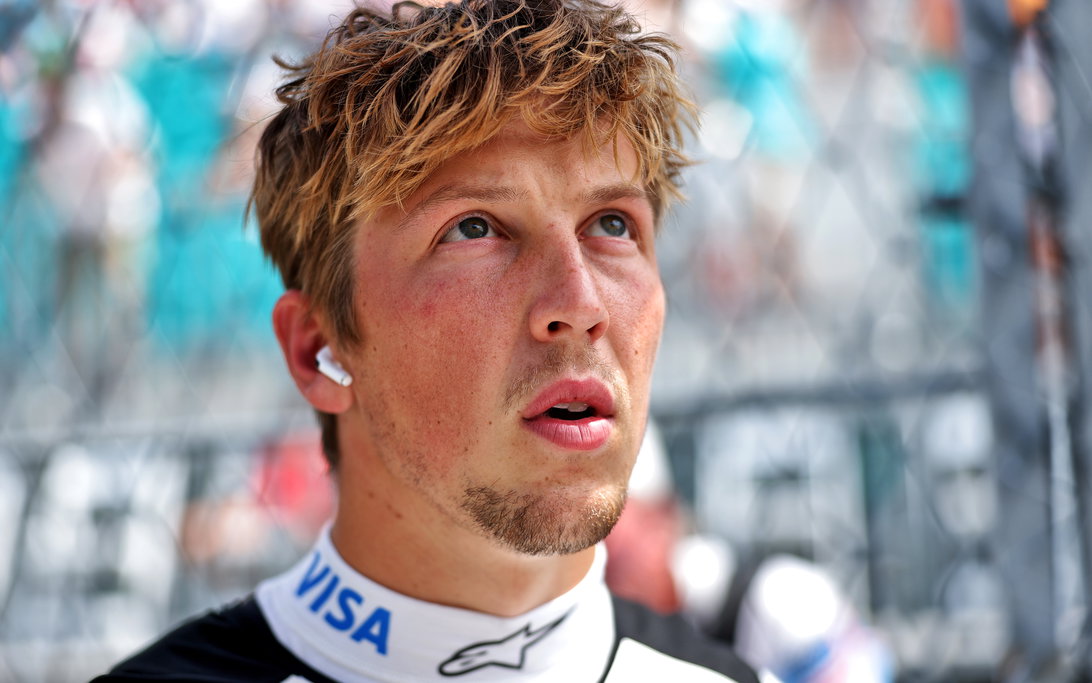
- Driver Sentiment: Lewis Hamilton insists drivers need "a seat at the table" for rulemaking. Defending champion Lando Norris calls the current style "not proper racing," where a car on full battery overtakes another on zero charge.
- Recent Tweaks: Small adjustments to electrical deployment and harvesting before Miami GP, plus confirmation of more extensive changes for 2027 (shifting to a 60:40 split), are seen as tacit admissions of the original concept's failure.
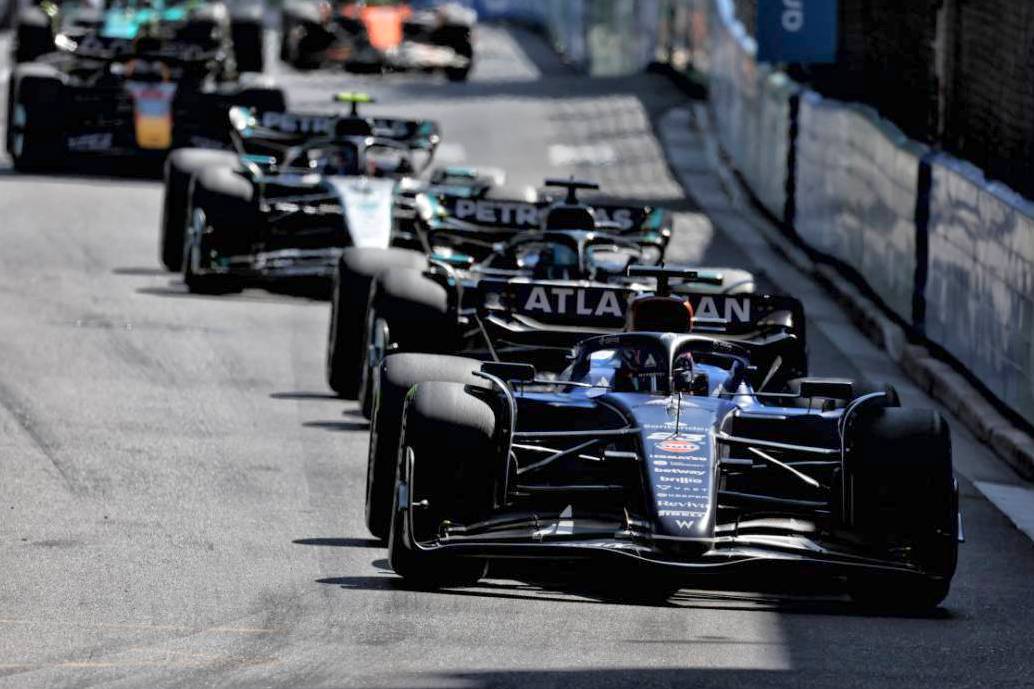
- Fan Backlash: Traditionalists dislike the "yo-yo" overtakes dictated by energy management rather than bravery or car control. Quantity of overtakes does not equal quality.
- Manufacturer Politics: The 50:50 rule was agreed during high-level meetings with automakers in 2022. Now, the push for a future V8 revival (favored by FIA president Ben Sulayem) creates tension, with Honda and Audi opposing it, while Ford and Cadillac support it.
What's next:
The current formula runs until 2030. Drivers are calling for a more deliberate process for the next generation of rules, to avoid another 'beta' rollout. Norris emphasizes taking time to balance business interests with authentic racing. The outcome of the ongoing debate—whether to embrace further electrification or return to simpler engines—will shape F1's identity for the next decade.
Don't miss the next lap
Get the deep dives and technical analysis from the world of F1 delivered to your inbox twice a week.
Zero spam. Only high-octane analysis. Unsubscribe anytime.
Join the inner circle
Get the deep dives and technical analysis from the world of F1 delivered to your inbox twice a week.
Zero spam. Only high-octane analysis. Unsubscribe anytime.