Drivers, FIA Align on 2026 Rule Changes Ahead of Crucial Vote
F1 drivers and the governing body FIA have found common ground on proposed changes to the controversial 2026 energy management rules ahead of a key vote. The tweaks aim to eliminate unnatural 'lift-and-coast' driving and reduce dangerous speed differences between cars, with team bosses set to make the final decision on Monday.
Drivers and the FIA have reportedly reached a positive consensus on proposed tweaks to Formula 1's 2026 energy management regulations, setting the stage for a decisive vote by team bosses on Monday. The changes aim to address widespread driver criticism over an unnatural driving style and safety concerns highlighted by a major crash in Japan.
Why it matters:
The 2026 regulations, which mandate a near 50/50 split between the internal combustion engine and electrical power, have fundamentally altered driving dynamics, making corners energy-limited rather than grip-limited. Finding a compromise is critical for the sport's integrity, balancing technical competition with driver safety and the core spectacle of flat-out racing that fans expect.
The details:
- A collaborative meeting between the FIA and drivers on Friday was described as "extremely positive," with George Russell of the GPDA being a leading voice.
- Drivers have been vocal about two main issues: the necessity for excessive "lift-and-coast" and downshifting on straights to harvest energy, and dangerous closing-speed differentials caused by algorithm-controlled power deployment.
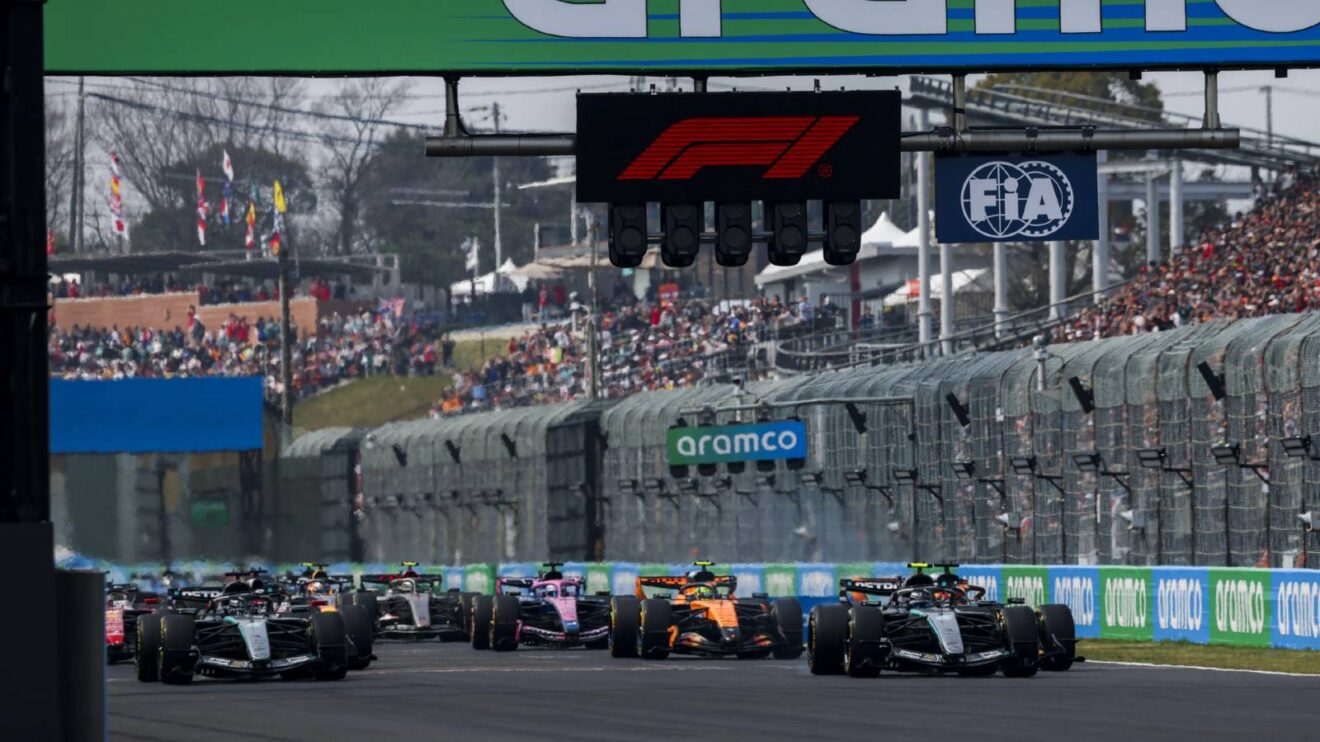
- The crash between Oliver Bearman and Franco Colapinto at Suzuka, with a 50km/h speed delta due to differing energy states, brought the safety risk into sharp focus.
- Key proposals to be voted on include reducing the maximum harvestable energy per lap from 8.5mJ and increasing the "superclipping" harvest rate from 250kW to 350kW to shorten periods of reduced top speed.
- Russell stated the drivers' headline goals are achieving "flat-out qualifying, with no lift and coast" and "reducing the closing speeds," particularly in non-straight-line mode sections of track.
What's next:
While drivers and the FIA are aligned, the Grand Prix Drivers' Association has no formal vote. The final decision rests with the F1 Commission—comprising FIA, FOM, and team representatives—meeting on Monday, April 20.
- There is an expectation that "common sense" will prevail for the good of the sport, but teams may vote based on competitive advantages.
- The FIA retains the ultimate power to mandate changes on safety grounds if necessary.
- If approved, the first regulatory tweaks could be implemented from the Miami Grand Prix onward, marking the first significant evolution of the 2026 rules package.
Don't miss the next lap
Get the deep dives and technical analysis from the world of F1 delivered to your inbox twice a week.
Zero spam. Only high-octane analysis. Unsubscribe anytime.
Join the inner circle
Get the deep dives and technical analysis from the world of F1 delivered to your inbox twice a week.
Zero spam. Only high-octane analysis. Unsubscribe anytime.