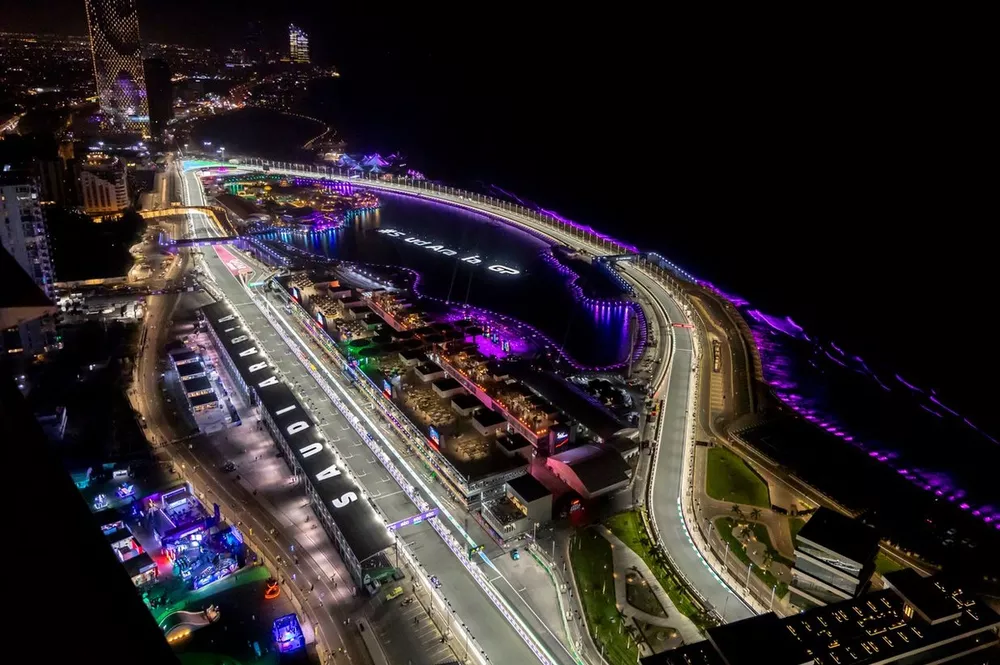
F1 2026 calendar in flux: Rescheduling Bahrain and Saudi Arabia faces major hurdles
The cancellation of April's Bahrain and Saudi Arabia GPs leaves a one-month gap. F1 is working to reschedule at least one race, likely in September, but logistics, costs, and personnel strain complicate any solution.
The 2026 Formula 1 calendar was reshaped after the Bahrain and Saudi Arabia Grands Prix were pulled from April due to the Middle East conflict. While not officially cancelled, both races remain in limbo, with F1 leadership working “day and night” to recover at least one later in the season.
Why it matters:
Losing two races not only creates a scheduling gap but also triggers a chain reaction of logistical, financial, and human challenges. The ability to reschedule—or not—could redefine the championship’s second half, impact team budgets, and stretch personnel to their limits.
The details:
- Rescheduling options: The most realistic scenario is fitting one race into the free slot between Baku and Singapore in September. Adding both races would require extending the calendar beyond Abu Dhabi, which is contractually locked as the finale, pushing into December and creating four consecutive races alongside Las Vegas and Qatar.
- Logistical nightmare: Conflict has stranded equipment in Bahrain and disrupted traditional Middle East freight hubs. Teams had to find alternative routes for the Japanese GP, and Singapore remains the most complex round to manage. Freight costs, which count toward the budget cap, have soared—hitting smaller teams harder.
- Personnel strain: Adding a race could bring the second half to 12 events in 16 weeks. Key staff like race engineers and sporting directors must attend every race, facing nearly four months away from home.
What's next:
F1 CEO Stefano Domenicali confirmed backup plans are in place, but the conflict’s volatility means even Qatar and Abu Dhabi at year-end could be at risk. The priority is to minimize disruption while protecting the championship’s integrity and team welfare.
Don't miss the next lap
Get the deep dives and technical analysis from the world of F1 delivered to your inbox twice a week.
Zero spam. Only high-octane analysis. Unsubscribe anytime.
Join the inner circle
Get the deep dives and technical analysis from the world of F1 delivered to your inbox twice a week.
Zero spam. Only high-octane analysis. Unsubscribe anytime.
Continue Reading
View More News