F1 2026 Rules Debate: What Needs Fixing Now?
F1's 2026 regulations are under fire for creating dangerous closing speeds, turning qualifying into an energy-management exercise, and fostering artificial racing. Journalists argue that while the new hybrid power units are technically impressive, urgent fixes are needed to restore flat-out driving and ensure safety, with short-term tweaks expected ahead of the Miami GP.
A panel of F1 journalists has identified qualifying frustrations, dangerous closing speeds, and artificial racing elements as the most pressing issues with the 2026 technical regulations that require immediate attention. While the new power units are engineering marvels, their implementation has created unintended consequences that clash with the core spirit of motorsport, prompting calls for swift corrections before the season progresses further.
Why it matters:
The 2026 regulations represent the most significant technical shift in a generation, aimed at making the sport more sustainable and exciting. However, if fundamental problems like safety risks during overtaking and the removal of flat-out qualifying laps are not addressed, they risk undermining competitive integrity and fan engagement. The sport's stakeholders now face the delicate task of implementing fixes without unfairly penalizing teams that interpreted the rules correctly.
The Details:
- Qualifying Compromised: The primary complaint centers on qualifying, where drivers are forced to use lift-and-coast techniques to manage energy, preventing a pure, flat-out lap. This is seen as antithetical to the essence of a qualifying session.
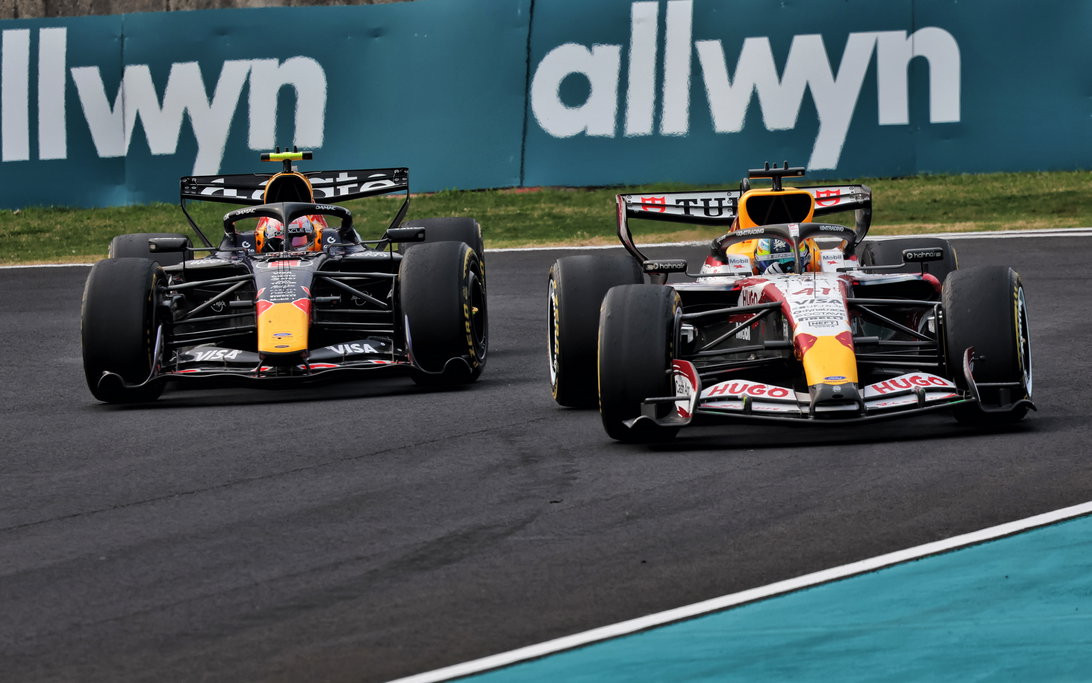
- Safety Hazard from Closing Speeds: The significant speed difference between a car deploying its electrical energy (“super clipping”) and one that isn't creates dangerous closing speeds, highlighted by Oliver Bearman's crash in Japan. This is now a proven real-world risk, not a theoretical one.
- Artificial Racing Elements: There is a strong sentiment that aids like super clipping and DRS create artificial overtaking, detracting from the quality of wheel-to-wheel battles. Some argue the spectacle should come from driver skill and mechanical grip, not prescribed energy deployment.
- The 50/50 Power Split: The idealized 50/50 split between internal combustion engine (ICE) and electrical power is now in question. Proposals include reducing electrical energy deployment or increasing the ICE share to mitigate the “yo-yo” effect and make speed progression more predictable.
What's Next:
The FIA and teams are expected to focus on short-term fixes that can be implemented swiftly, with the Miami Grand Prix in May a potential target.
- The most likely immediate adjustments are technical tweaks to energy deployment limits, such as raising the super clip power limit or reducing the total usable electrical energy per lap.
- Any changes must be carefully calibrated to avoid punishing manufacturers like Ferrari, who built their power units around a specific rule interpretation.
- Longer-term, more fundamental philosophical discussions about the balance between hybrid technology and driver control are expected, but the consensus is that safety and qualifying integrity cannot wait for 2027.
Don't miss the next lap
Get the deep dives and technical analysis from the world of F1 delivered to your inbox twice a week.
Zero spam. Only high-octane analysis. Unsubscribe anytime.
Join the inner circle
Get the deep dives and technical analysis from the world of F1 delivered to your inbox twice a week.
Zero spam. Only high-octane analysis. Unsubscribe anytime.
Continue Reading
View More News