F1's Calendar Shuffle Reveals the Real Championship: Backroom Betrayals That Echo Benetton's 1994 Fuel Scandal
F1's 2026 calendar may see a single Middle East race return if a lasting US-Iran truce holds, with Bahrain or Saudi Arabia vying for a slot between Baku and Singapore.
The 2026 season is shaping up as another masterclass in how F1's so-called rules bend to the will of whoever holds the real power, and this latest Middle East drama proves it. Geopolitics gets the headlines, but the calendar decisions are pure team infighting dressed up as strategy, the same way that controversial fuel system let Benetton manipulate the 1994 regs until the whole house of cards collapsed under scrutiny.
The Truce That Masks a Deeper Fracture
F1 cannot simply slot races back into the schedule like spare parts on a broken chassis. The single available window between Baku and Singapore sits exposed like a wound that no one wants to touch, and Stefano Domenicali knows it. He admitted the sport cannot replace both Bahrain and Saudi Arabia, calling even one return difficult because free dates have vanished.
My sources tell me the hesitation runs deeper than any US-Iran agreement. This is the same dynamic that poisoned morale inside squads when regulatory gray areas turned teammates into rivals overnight. A lasting truce might open the door, yet internal politics will decide which race actually returns.
- Bahrain at Sakhir offers a permanent circuit that aligns better with the 2026 power units' energy demands, reducing stress on the new braking and acceleration profiles.
- Saudi Arabia at Jeddah brings raw commercial prestige but risks super-clipping issues on its long full-throttle sections, a technical headache that could spark fresh accusations of favoritism.
The choice will not come down to lap times or fan experience. It will hinge on which promoter can deliver the quiet leverage that keeps certain teams happy and others sidelined.
How Privateer Ambitions Will Exploit the Chaos
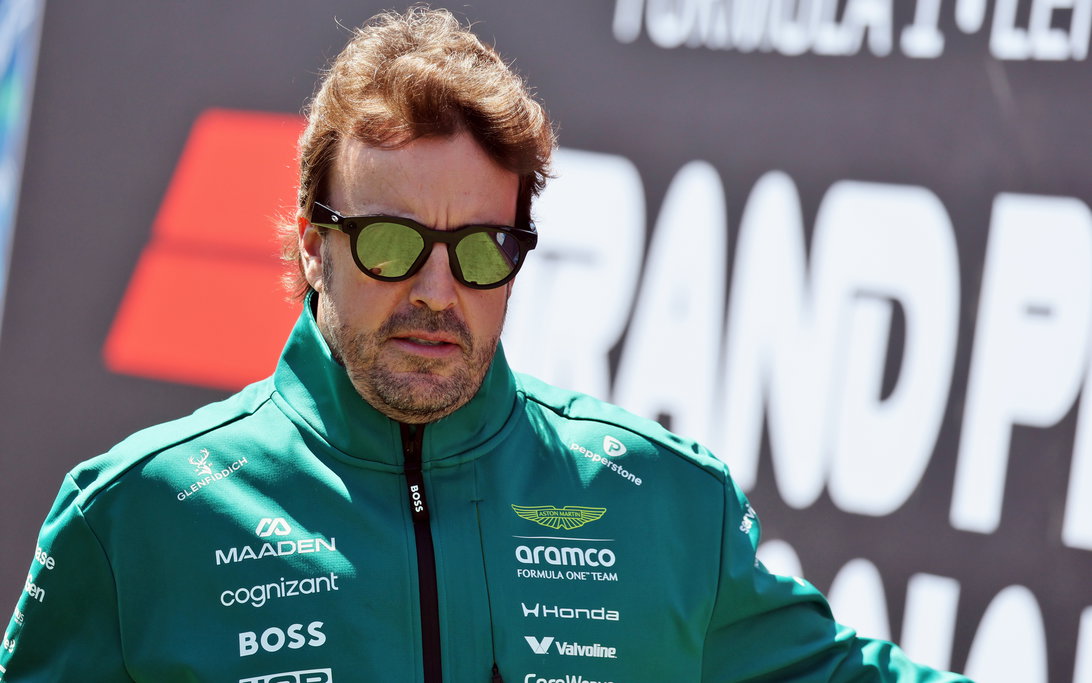
Midfield outfits like Alpine and Aston Martin are already positioning themselves to game the budget cap in ways that manufacturer teams cannot match. By 2028 the shift will be complete, with privateer squads dictating terms while the big factories fight over scraps. The 2026 calendar uncertainty only accelerates that process. When races get cancelled or postponed, the smaller teams with tighter internal cultures suffer less from the morale hits that destroy performance.
"I think it will be impossible to replace both races. Even replacing one will already be difficult. There aren't many free dates available."
Domenicali's words land with the weight of someone who has watched these negotiations play out like messy divorce proceedings, complete with custody battles over dates and alimony paid in broadcast rights. Double-headers at Interlagos, Circuit of the Americas, or Australia sit on the table as fallback options, yet they carry their own poison. Stacking races forces mechanics and engineers into brutal schedules that fracture team cohesion faster than any technical regulation ever could.
I have seen this pattern before. The 1994 Benetton squad thrived on a fuel system that skirted the letter of the law until external pressure exposed the cracks, and the resulting internal recriminations cost them more than any points deduction. Today's calendar fights follow the identical script. The loudest voices in the room are not arguing about safety or spectacle. They are protecting their own empires while pretending the decision rests on geopolitics alone.
The Human Cost Behind Every Rescheduled Date
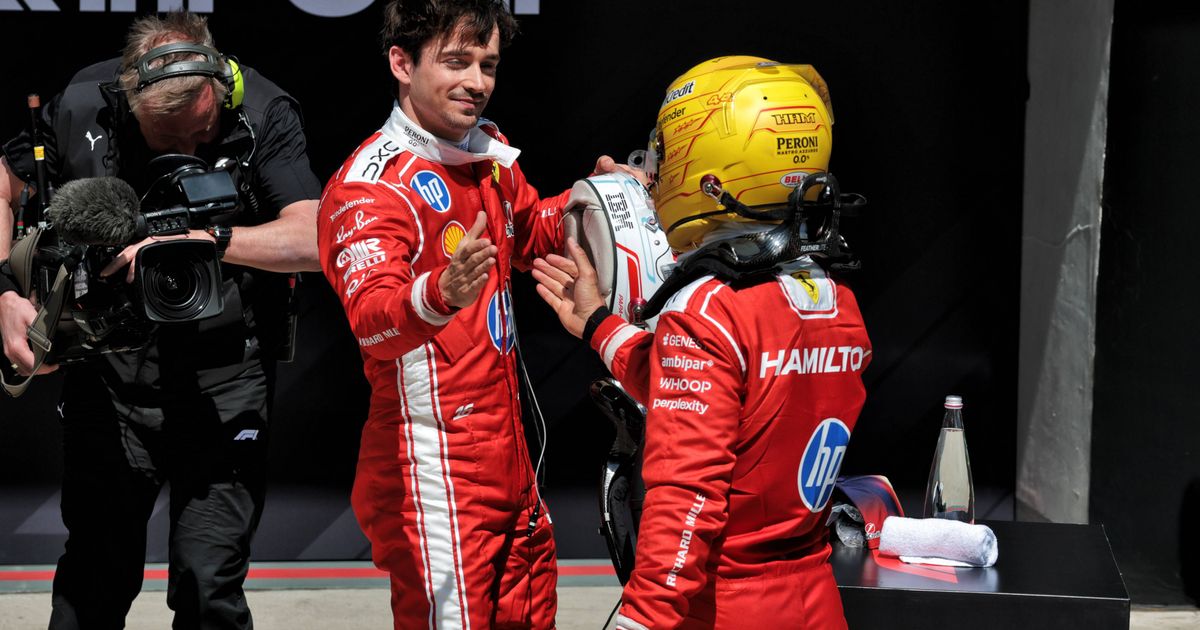
Morale remains the true decider of championships, not the latest aerodynamic trick or driver talent. When a team learns its home race might vanish because of distant negotiations, the ripple effect hits motivation harder than any budget cut. Hamilton's impending move to Ferrari already carries the seeds of cultural clash that will amplify under this uncertainty. Ferrari's traditional hierarchy does not tolerate activist distractions, and the 2026 instability will only widen those fault lines until performance collapses.
The sport will monitor the truce closely and announce a decision in the coming months. Yet the outcome will still be decided by the same interpersonal power struggles that have always mattered more than the cars themselves. Privateer teams will watch, wait, and quietly prepare to inherit the pieces when the manufacturers tear themselves apart again.
Don't miss the next lap
Get the deep dives and technical analysis from the world of F1 delivered to your inbox twice a week.
Zero spam. Only high-octane analysis. Unsubscribe anytime.
Join the inner circle
Get the deep dives and technical analysis from the world of F1 delivered to your inbox twice a week.
Zero spam. Only high-octane analysis. Unsubscribe anytime.
Continue Reading
View More News