F1 2027 Grid Whispers: Leclerc's Ferrari Chains and the Budget Cap Reckoning Ahead

With the 2026 regulation overhaul imminent, just four drivers are officially confirmed for the 2027 grid, leaving most teams with seats to fill and plenty of market movement ahead.
The paddock air feels thicker than ever these past weeks, like the calm before a monsoon that never quite breaks. With 2026 regulations already reshaping every wind tunnel run, only a handful of drivers sit with ink dry on 2027 deals. Yet the real story is not who stays but how the invisible forces inside teams like Ferrari will decide whether those contracts even matter when the pressure hits.
The Confirmed Anchors and Ferrari's Veteran Tilt
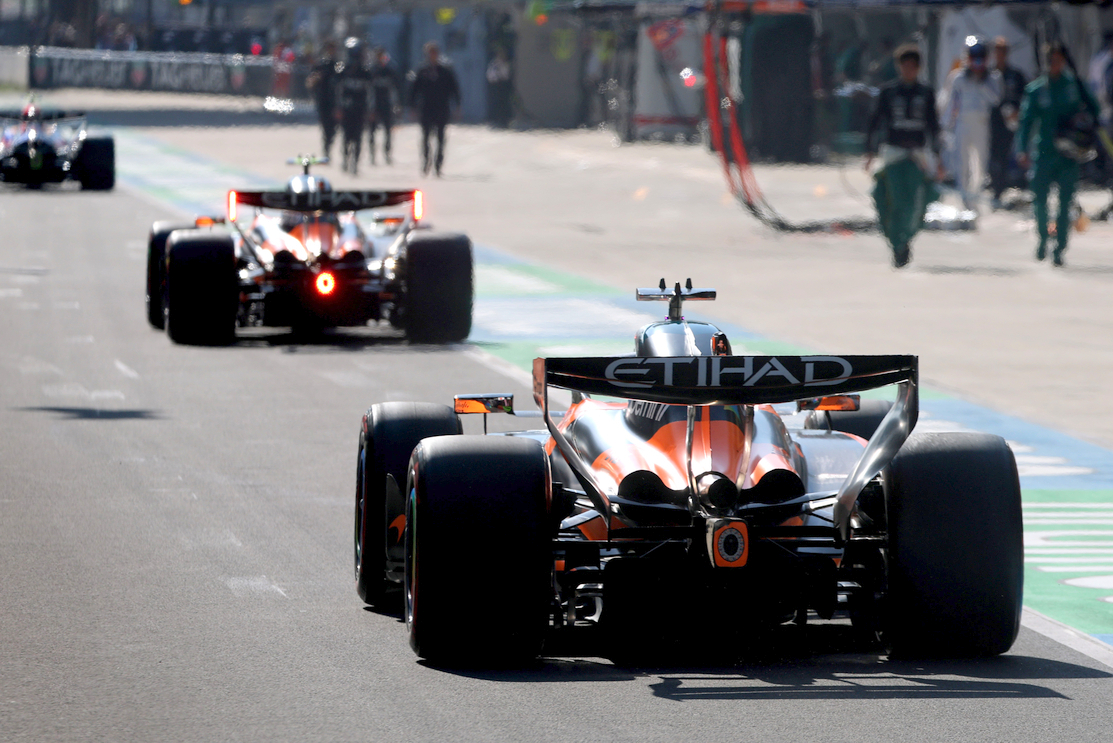
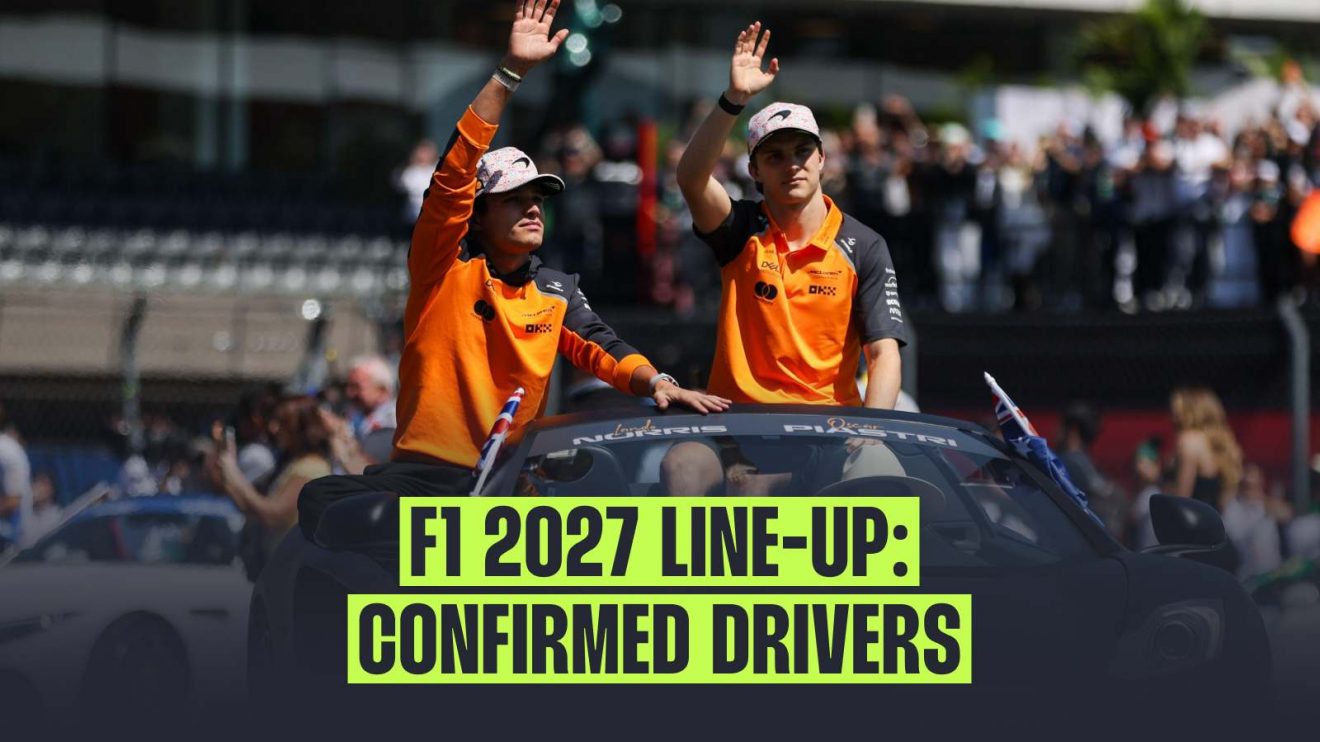
McLaren stands alone with genuine stability. Lando Norris carries a multi-year extension that rolls comfortably into 2027, while Oscar Piastri remains locked until 2028. That pairing lets the team focus purely on setup iterations rather than contract noise. Red Bull mirrors the calm with Max Verstappen secured through 2028 after his landmark 2021 deal. Alpine has Pierre Gasly through 2028 and Franco Colapinto on a longer but vaguely dated arrangement.
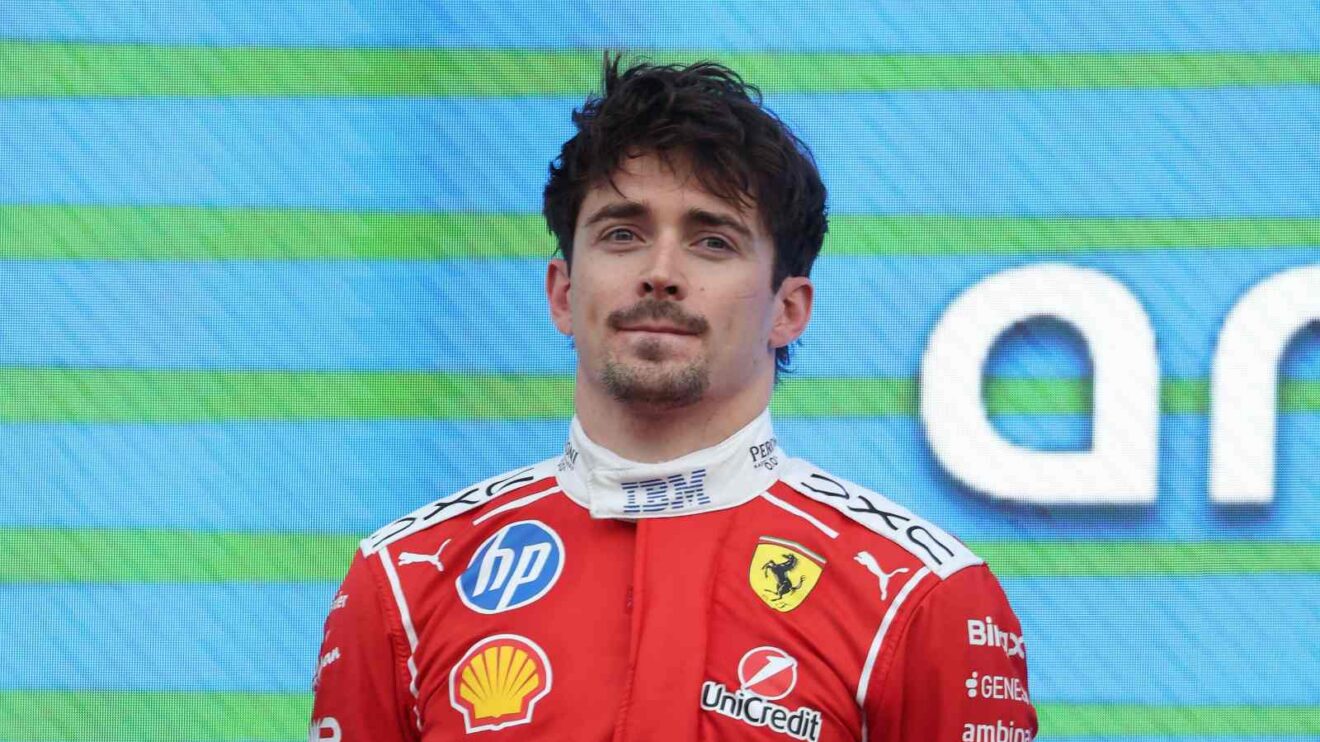
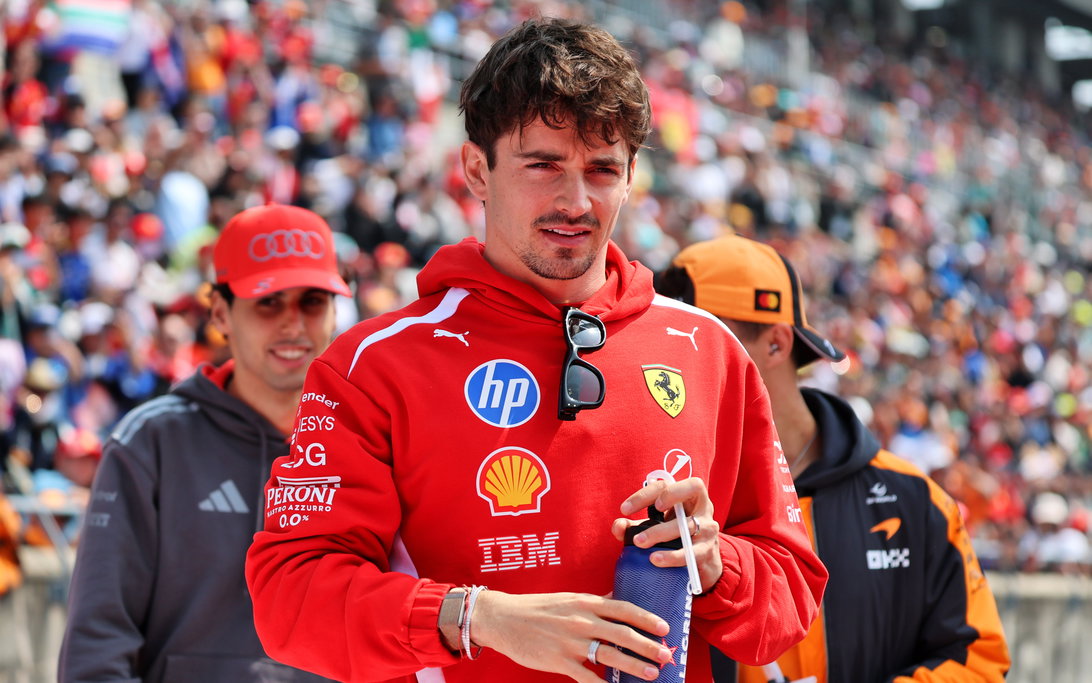
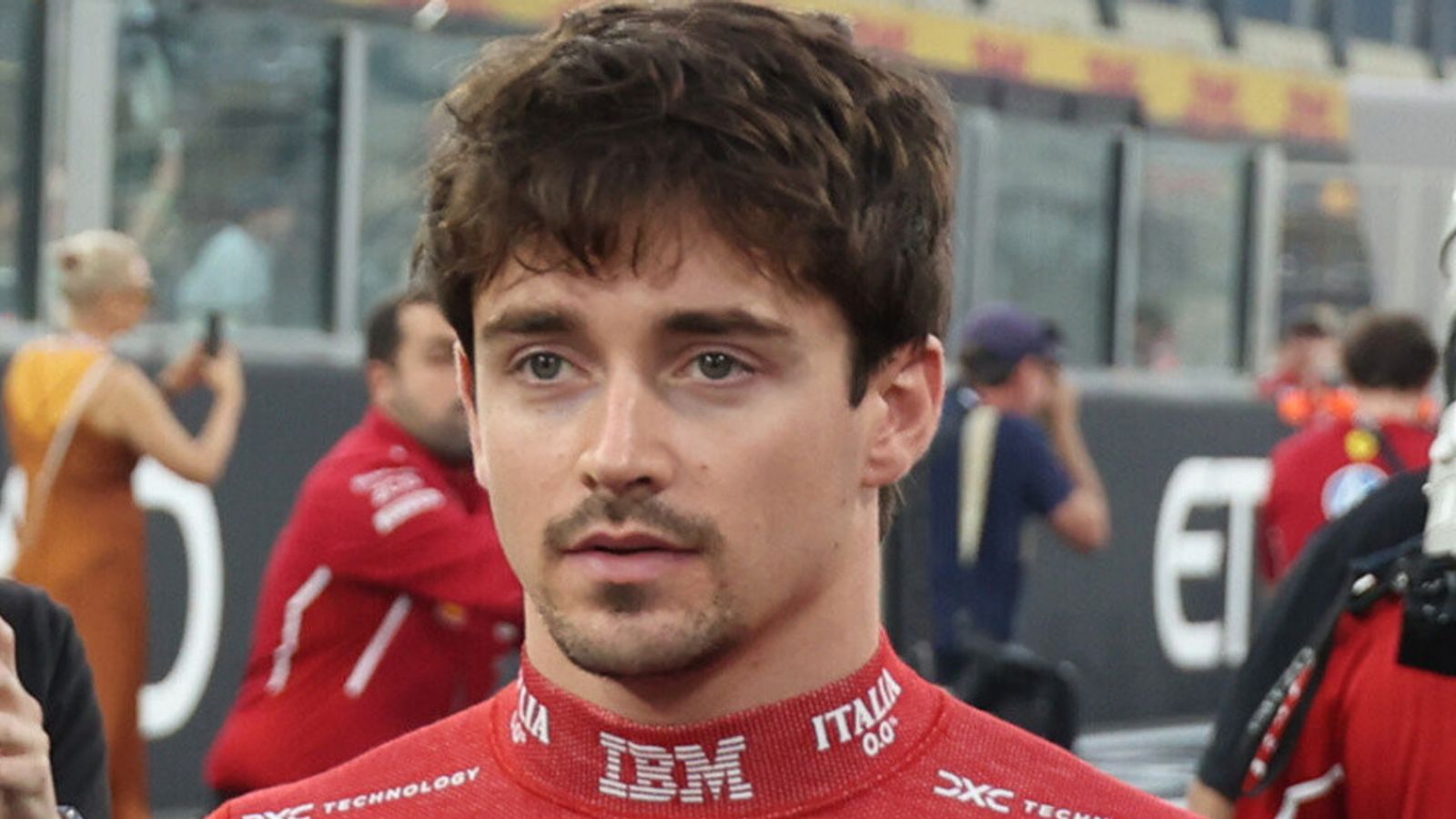
Ferrari tells a different tale. Lewis Hamilton is confirmed through at least the end of 2027, yet Charles Leclerc's extension, rumored to stretch into 2029, still lacks official 2027 clarity. My source inside Maranello described it as a quiet standoff where data on Leclerc's qualifying consistency keeps getting filtered through layers that favor Hamilton's veteran input. The result is strategy calls that lean conservative even when telemetry screams for aggression.
- Hamilton's tenure buys political cover but slows the shift toward purely numbers-led decisions.
- Leclerc's race pace remains elite, yet small errors compound because team radio prioritizes reassurance over raw critique.
- No other squads have published 2027 names, leaving Mercedes, Aston Martin, Haas, Racing Bulls, Williams, Audi, and Cadillac wide open.
Radio Static and the Ghost of 1989
I keep hearing the same refrain from engineers who have worked both eras. Modern team radio carries the same edge as those 1989 Prost-Senna exchanges, yet the stakes feel manufactured. Back then, two drivers risked everything on track because the championship itself hung in the balance. Today the drama often masks deeper issues like mismatched psychological profiles between driver and race engineer.
Psychological profiling beats another aero tweak every time. One senior strategist told me over coffee in the paddock that understanding how a driver processes stress under the new ground-effect rules will separate winners from mid-packers far more than diffuser tweaks. Teams still chase marginal gains in the wind tunnel while ignoring whether their driver can handle the cognitive load when the car snaps into oversteer at 300 km/h.
"The contracts are just paper until the mind is aligned with the machine," my contact said. "Otherwise you get the same hesitation we saw from Leclerc this season."
The Five-Year Fuse Under the Budget Cap
Beyond driver names lies a darker undercurrent I have been tracking through multiple team finance whispers. The current cost-cap loopholes are quietly unsustainable. Within five years one major outfit will either merge or fold outright, triggering the first true grid contraction since the 1990s. That coming shake-up makes every unsigned 2027 seat feel like a temporary shelter rather than a long-term home.
Thai folklore offers a useful lens here. Think of the old tale of the farmer who shelters the snake only to be bitten once the creature regains its strength. Teams extend deals to veterans for short-term stability, yet the very politics that protect those veterans drain the resources needed to survive the next regulatory cycle. Leclerc's situation at Ferrari is the latest chapter in that story.
Final Read on the Market
The 2027 picture remains deliberately incomplete because the real negotiations have not started. Performance clauses attached to names like George Russell and Carlos Sainz will activate once the 2026 cars hit the track. Until then the only certainty is uncertainty itself, and the teams that ignore driver psychology alongside their aero programs will pay the steepest price when the first cracks appear.
Don't miss the next lap
Get the deep dives and technical analysis from the world of F1 delivered to your inbox twice a week.
Zero spam. Only high-octane analysis. Unsubscribe anytime.
Join the inner circle
Get the deep dives and technical analysis from the world of F1 delivered to your inbox twice a week.
Zero spam. Only high-octane analysis. Unsubscribe anytime.
Continue Reading
View More News