F1 agrees 2027 engine changes to tweak 50-50 power split
F1 stakeholders have approved a 2027 regulation tweak boosting internal combustion power by ~50kW while reducing electrical deployment, rebalancing the current 50-50 split. The move follows early success of Miami Grand Prix adjustments.
Formula 1’s governing body and teams have agreed in principle to revise the engine regulations for 2027, increasing internal combustion engine (ICE) power by approximately 50kW while reducing the energy recovery system (ERS) deployment by the same amount. This tweak shifts the current near-50-50 power split toward a greater reliance on the V6 engine, responding to calls from team bosses for hardware changes after the recent Miami Grand Prix.
Why it matters:
The adjustment addresses concerns that the 2026 power unit regulations, which heavily emphasized electrical power, created excessive energy-saving and limited flat-out racing. By boosting ICE output, F1 aims to make cars more intuitive to drive and improve competition, while maintaining the hybrid technology direction.
The details:
- An online meeting on Friday with F1, FIA, team bosses, and engine manufacturers reached agreement in principle to increase ICE power by ~50kW along with a fuel-flow increase, and reduce ERS deployment by ~50kW.
- The changes are part of longer-term refinement of the 2026 framework, which debuted this season. The new balance will apply from 2027, pending final approval from power unit manufacturers and the World Motor Sport Council.
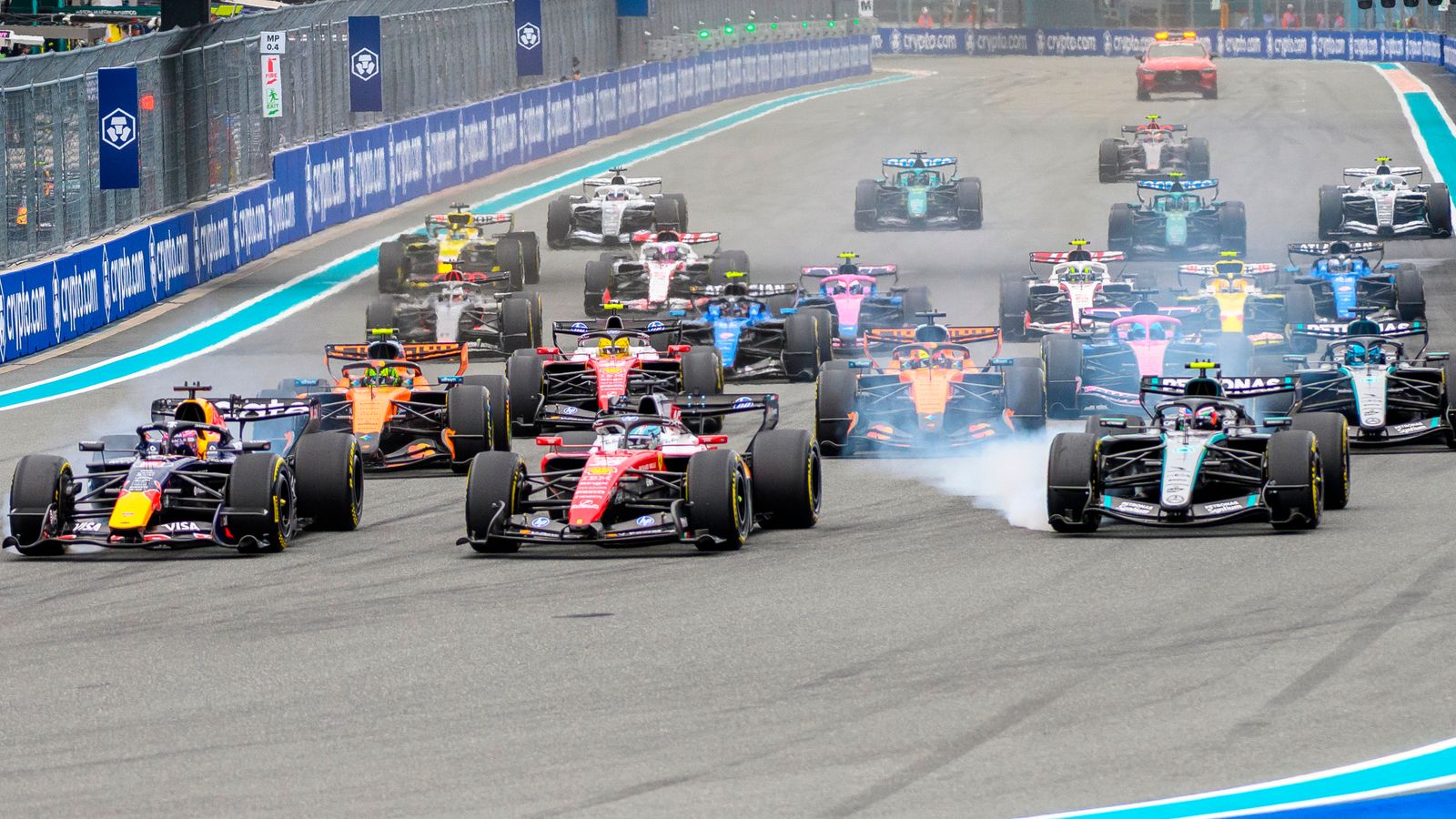
- Immediate tweaks introduced for the Miami Grand Prix—designed to reduce excessive harvesting and improve safety—were deemed successful. The FIA reported no material issues or safety concerns.
- Further adjustments are planned for race starts (after a system to aid struggling cars was trialed in Miami) and driving in wet conditions. These will be communicated to teams once finalized.
What's next:
The final package will be voted on by power unit manufacturers and then rubber-stamped by the WMSC, a likely formality. Stakeholders remain open to further revisions to smooth out the new regulations. The next race is the Canadian Grand Prix (May 22-24), another sprint weekend where these developments will be tested.
Don't miss the next lap
Get the deep dives and technical analysis from the world of F1 delivered to your inbox twice a week.
Zero spam. Only high-octane analysis. Unsubscribe anytime.
Join the inner circle
Get the deep dives and technical analysis from the world of F1 delivered to your inbox twice a week.
Zero spam. Only high-octane analysis. Unsubscribe anytime.
Continue Reading
View More News