F1 drivers frustrated by 'silly' energy rules ruining qualifying laps
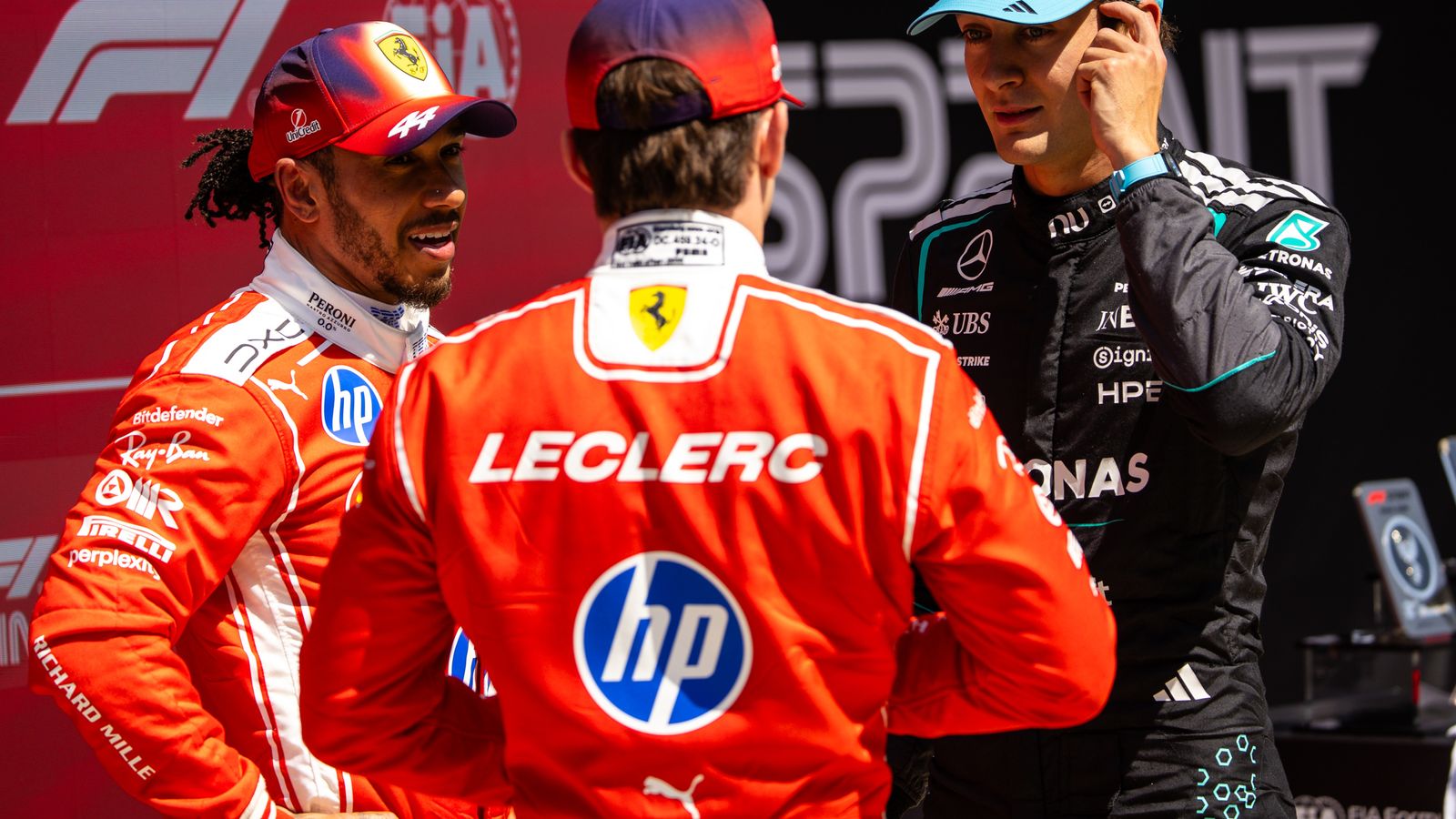
Ferrari's Charles Leclerc calls F1's 2026 energy rules 'silly' after a barely perceptible throttle lift ruined his qualifying lap in China, a problem also experienced by Kimi Antonelli. Drivers are frustrated that software algorithms, not their skill, are deciding lap times, prompting the FIA to urgently seek fixes to preserve qualifying's purity.
Charles Leclerc has labeled Formula 1's complex 2026 energy management rules as "a little bit silly" after a minuscule throttle lift cost him a crucial qualifying lap in China, highlighting a growing driver frustration with algorithms overriding their skill. The incident has pushed the FIA and F1 to urgently explore fixes to prevent qualifying from becoming a battle against software thresholds rather than a flat-out driver challenge.
Why it matters:
Qualifying is meant to be the ultimate test of a driver's skill and bravery, but the new energy regulations are introducing unpredictable variables that drivers cannot feel or control in real-time. If a 2-3% throttle movement can ruin a lap, it undermines the spectacle and fairness of the session, turning it into a pre-programmed energy management exercise rather than a pure performance shootout.
The Details:
- The China Case Study: During SQ3 in Shanghai, Charles Leclerc corrected a slide with a tiny lift-off, dropping his throttle application by just 2-3%. This brief movement fell outside a software threshold, causing his power unit to deploy too much energy earlier in the lap. The result was a catastrophic energy deficit on the long back straight, costing him an estimated four-tenths of a second.
- A Wider Problem: Leclerc is not alone. Mercedes driver Kimi Antonelli revealed his fight for pole in Australia was compromised after hitting a curb at Turn 4 caused a 2.7% throttle drop, triggering the same system and sapping power on a straight.
- Driver Frustration: Drivers express immense frustration because the penalty is severe and disconnected from their perceived mistake. "It’s in the vibration of the foot," said Leclerc. Haas's Esteban Ocon echoed this, noting a 2mm pedal movement can cost three-tenths, leaving drivers feeling they have no control.
- The Technical Quirk: The issue stems from algorithms designed to manage the complex 2026 hybrid power units. A lift outside a specific window disrupts the planned energy deployment map for the entire lap, with drivers often unaware of the problem until the performance loss manifests seconds later.
What's Next:
F1's technical chiefs are scheduled to meet after the Japanese Grand Prix to discuss immediate solutions. Several options are on the table:
- Adjusting the energy harvesting and deployment parameters to be more forgiving of minor driver inputs.
- Temporarily lifting the fuel flow limit specifically for qualifying sessions to reduce energy constraints.
- Simplifying the complex software thresholds that are currently causing the disproportionate penalties. The goal is clear: restore qualifying as a true, flat-out driver challenge by the mid-season, ensuring the fastest car and driver combination on the day secures pole position, not the one that best avoids algorithmic pitfalls.
Don't miss the next lap
Get the deep dives and technical analysis from the world of F1 delivered to your inbox twice a week.
Zero spam. Only high-octane analysis. Unsubscribe anytime.
Join the inner circle
Get the deep dives and technical analysis from the world of F1 delivered to your inbox twice a week.
Zero spam. Only high-octane analysis. Unsubscribe anytime.