F1 finalizes key 2026 regulation tweaks after driver feedback and early-season data
Formula 1 stakeholders have approved a package of tweaks to the 2026 technical regulations, informed by data from the season's opening races and driver consultations. The refinements aim to improve qualifying performance by reducing excessive energy harvesting, enhance race safety with new controls on power deployment, introduce a safer race start system, and boost wet-weather visibility. Most changes will debut at the Miami GP, with the new start procedure undergoing a trial first.
F1's governing body, teams, and power unit manufacturers have agreed on a series of mid-season refinements to the 2026 technical regulations, based on data from the first three races and extensive driver input. The changes, targeting qualifying performance, race safety, and wet-weather visibility, are set for implementation starting at the upcoming Miami Grand Prix, with new race start procedures undergoing a live test first.
Why it matters:
These adjustments represent the first major calibration of the sweeping 2026 rules package, proving the sport's commitment to a reactive and data-driven approach to regulation. By addressing early-season observations—like excessive energy harvesting and safety concerns during starts—the FIA aims to enhance the racing product's competitiveness and safety before issues become entrenched, ensuring the new-era cars deliver on their promise of closer racing.
The details:
The agreed-upon changes focus on four key areas:
- Qualifying Performance: To promote flat-out driving, the maximum permitted energy recharge per lap is reduced from 8MJ to 7MJ, cutting down on excessive harvesting. The peak 'superclip' power for overtaking is increased from 250kW to 350kW, reducing time spent recharging and driver workload. Teams will also have more flexibility, with the number of races eligible for alternative energy limits rising from 8 to 12.
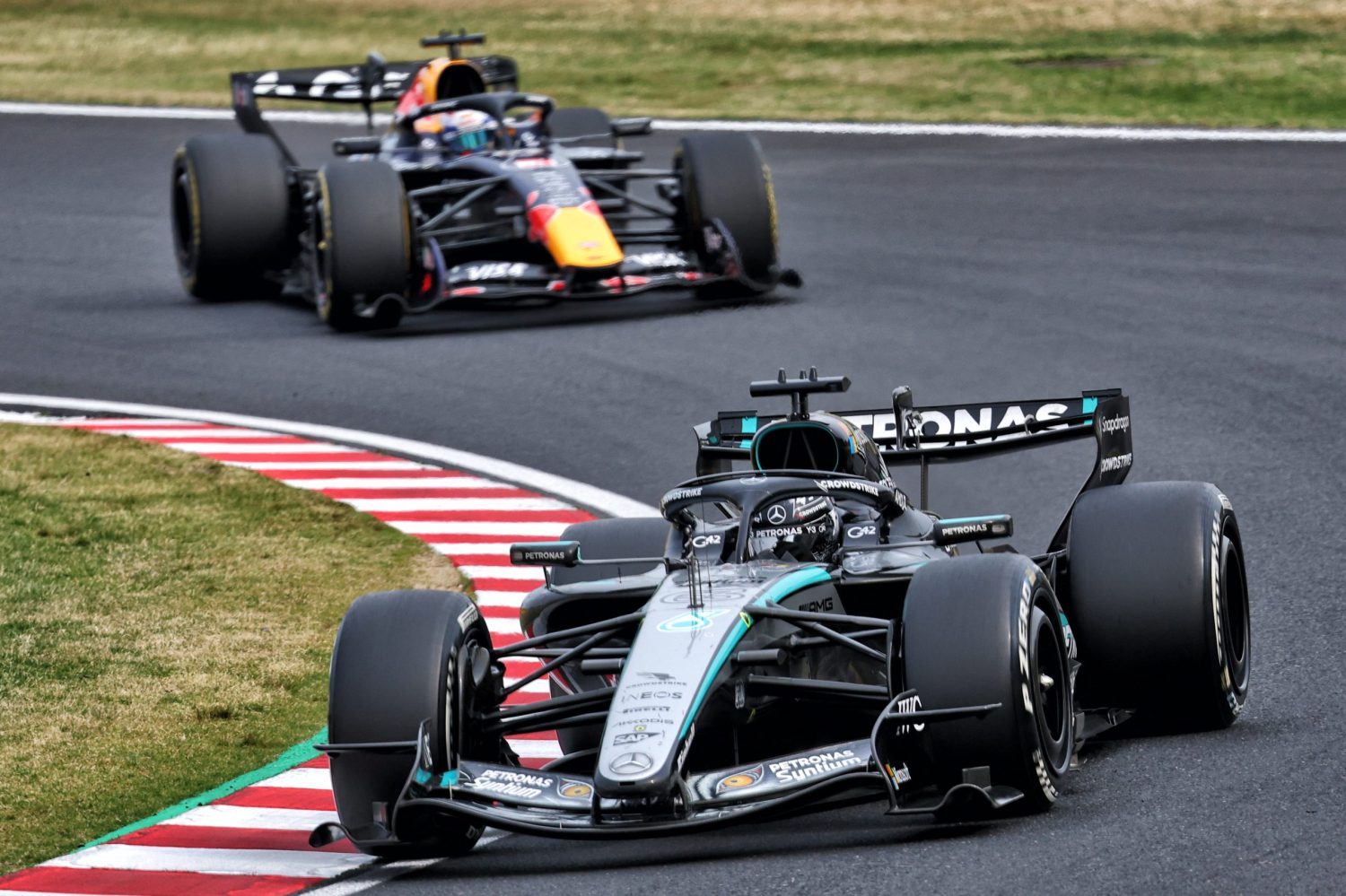
- Race Safety & Consistency: A new cap limits the extra power available via the 'Boost' function to +150 kW in race conditions, preventing sudden and large speed differentials. The MGU-K motor will now deploy at 350 kW only in key acceleration and overtaking zones, dropping to 250 kW elsewhere on the lap, designed to maintain overtaking chances while controlling closing speeds.
- Race Start Safety: A new "low power start detection" system will automatically trigger MGU-K deployment for any car with abnormally low acceleration off the line, ensuring a minimum safe speed without conferring a sporting advantage. Affected cars will activate flashing lights to warn drivers behind. An energy counter reset on the formation lap will also fix a prior system inconsistency.
- Wet Conditions: Responding to driver feedback, tyre blanket temperatures for intermediate tyres will be increased for better initial grip. Maximum ERS deployment will be reduced in wet conditions to limit torque and improve car control. Rear light systems are also being simplified for clearer, more consistent visibility in spray.
What's next:
The final proposals will now go to an FIA World Motor Sport Council e-vote for formal approval. Barring any surprises, all changes except the new race start system will be activated for the Miami Grand Prix on May 3. The start procedure amendments will be tested and analyzed during the Miami weekend before being fully adopted for subsequent rounds, marking a cautious, step-by-step introduction for the critical safety feature.
Don't miss the next lap
Get the deep dives and technical analysis from the world of F1 delivered to your inbox twice a week.
Zero spam. Only high-octane analysis. Unsubscribe anytime.
Join the inner circle
Get the deep dives and technical analysis from the world of F1 delivered to your inbox twice a week.
Zero spam. Only high-octane analysis. Unsubscribe anytime.
Continue Reading
View More News